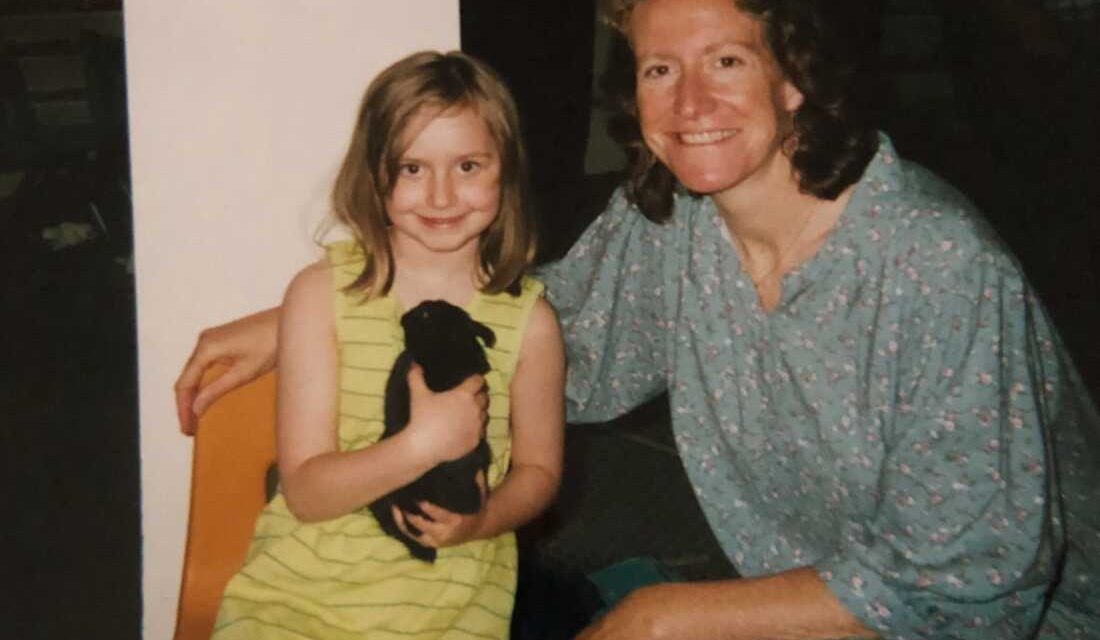
Barb Barnes underwent a challenging period two decades ago when doctors advised her to have open-heart surgery. Her symptoms had progressed from being active to struggling with simple tasks like climbing stairs. The procedure became necessary, and she prepared for it as best as she could.
The surgery, set for summer 2005, required emotional and logistical preparation. Barb was a single mother tasked with ensuring her daughter, Autumn Barnes, was ready for the changes ahead. Despite her confidence in the medical team, Barb faced a profound fear about what the future might hold.
Reflecting on her fears, Barb recalled, “I had all the faith in the world and really loved the surgeon and the staff and the team, [but] I was terrified out of my mind. I mean, it was open-heart surgery.” This sentiment underscores the anxiety she felt, a sentiment shared by many facing significant medical procedures.
They settled in a modest hotel a few hours away from their home the night before the surgery. This evening was spent ordering pizza and watching a movie together, a last attempt to find comfort amidst uncertainty. Barb held onto Autumn, absorbing the weight of what lay ahead.
Early the next morning, Barb bid farewell to her daughter, placing her under the care of a nearby relative. Her conflicting emotions left her feeling guilty for not providing more reassurance, but she had done all she could to prepare.
“I had all the faith in the world, but I was terrified out of my mind. I mean, it was open-heart surgery.”
The operation proceeded as planned, and later that day, the surgeon reported a successful outcome. Barb experienced immediate relief as the anesthesia subsided, marking the start of her recovery.
Despite pain from the surgery, including having her sternum split and ribs accessed, Barb grappled with the idea of reducing her opioid usage. The fear of increasing pain overshadowed rational choices, creating a complex emotional battle.
Enter the nurse, a former opioid addiction patient eager to offer support. Her genuine concern pierced Barb’s fear, helping her distinguish between the physical pain and apprehension.
“She looked me right in the eye and in the most authentic, vulnerable way, said, ‘I really don’t want that to happen to you. I know that you’re really frightened, and I think it’s possible, Barb, that you are confusing pain with fear.'”
Barb realized the truth in those words, agreeing to taper her medication. The nurse promised to be alongside Barb throughout the process, creating a supportive pain management plan to counter any surge of discomfort.
This experience marked a shift in Barb’s perception of pain, viewing it as a sensation rather than something that demanded elimination through medication. The nurse’s support became a pillar of Barb’s journey, profoundly influencing her recovery and future interactions.
Barb’s gratitude remains evident. “Without her intervention, I might not have the terrific relationship I enjoy with my daughter, friends, and community today,” she shared. The nurse’s empathy represented an act of humanity that Barb cherishes eternally.
Barb’s interactions with this caring nurse symbolize an instance of unsung heroism, offering hope and inspiration across her life.
The podcast My Unsung Hero regularly shares stories similar to Barb’s, releasing episodes every Tuesday. To participate, send a voice memo to [email protected].
 Louisiana Health Officials Alert Beachgoers to Rising Vibrio Infections
  Woman’s Botox Experience Highlights Importance of Researching Risks
  Unusual Heart Attack Symptoms: A Cardiologist’s Insight
  Experimental Drug Offers New Hope for Pancreatic Cancer Patients
  Fast Medical Response Helps Stroke Survivor Todd Meiklejohn
  Mother Warns Parents on Subtle Cancer Signs After Daughter’s Diagnosis