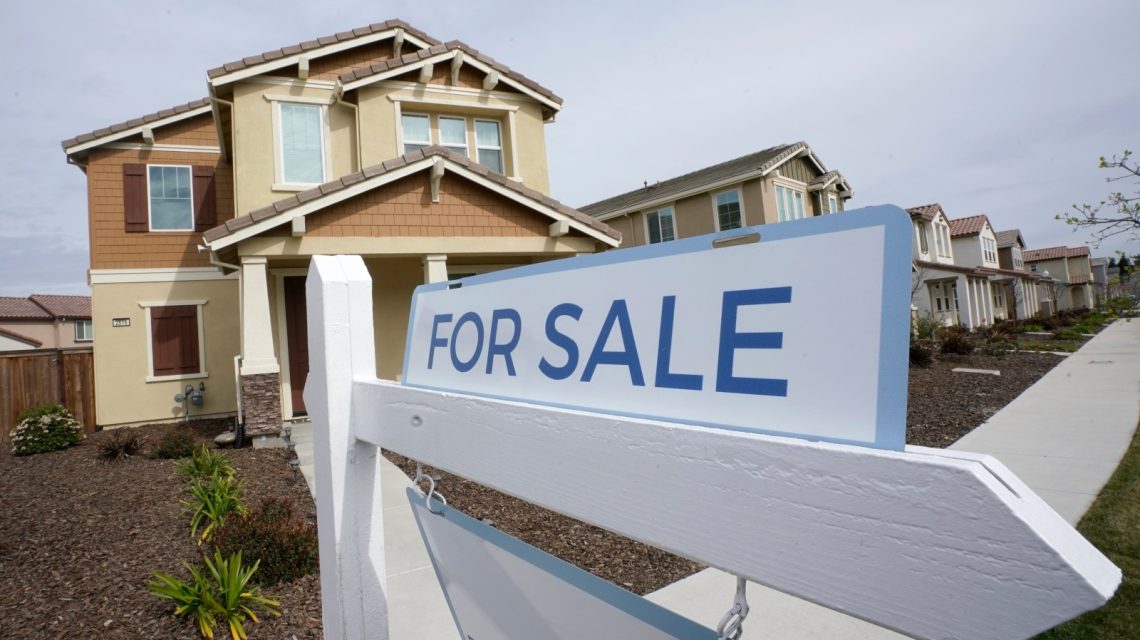
Mortgage rates have climbed to their highest level since last August, based on the latest figures from Freddie Mac. The average rate for 30-year fixed home loans increased to 6.51 percent for the week ending May 21, up from 6.36 percent the previous week. By May 25, Bankrate reported a further rise to 6.65 percent, marking an increase of 0.07 percent from the prior week.
This rise in mortgage rates followed the onset of the conflict in Iran earlier this year. Experts had anticipated a more affordable housing market in the U.S. with lower borrowing costs. Daryl Fairweather, Redfin’s chief economist, remarked that experts expected this spring to be stronger than in 2025. Mortgage rates were lower year-over-year, wages had increased faster than home prices, and inventory was improving. However, the Iran conflict disrupted this outlook. It led to higher mortgage rates, increased gas prices, and reduced confidence.
How High Are Mortgage Rates? A Historical View
Mortgage rates have varied significantly since the pandemic began. Between 2020 and 2022, rates dropped to as low as 2.6 percent, causing a surge in homebuying. However, in 2022, rising inflation prompted the Federal Reserve to raise interest rates, pushing mortgage rates higher. Between 2022 and 2023, rates nearly doubled from pandemic lows, peaking at 7.8 percent in October 2023 for 30-year fixed-rate mortgages. Recently, rates have fallen below 7 percent but remain above experts’ expectations for this year. The situation in Iran has contributed to the recent increase, hitting a nine-month high by May 21. Despite these hikes, current rates are still lower than the 6.86 percent average seen last year at the same time.
Experts suggest the future direction of mortgage rates will depend on developments in Iran. If tensions ease and oil prices drop, inflation pressures might decrease, allowing the Federal Reserve to lower rates. Rates could fall to the low 6 percent range by year’s end. However, continued uncertainty could push rates back toward 7 percent.
Impact on Homebuyers and Sellers
The U.S. housing market was expected to rebound from its winter slowdown, with increased sales during the spring. However, economic uncertainty due to the Middle East conflict and rising mortgage rates have dampened this resurgence. Nonetheless, there has been some improvement in demand.
Fairweather noted that the spring season fell short of potential due to the conflict, although conditions for buyers improved. Jake Krimmel, Realtor.com’s senior economist, pointed out positive signs, such as the highest level of new listings in April since 2022 and increased contract signings. Despite higher rates, inflation, and low consumer sentiment, these metrics show resilience in the housing market.
The Middle East conflict has affected the housing market, yet American buyers are adapting to these changes. The market is adjusting to a prolonged period of higher rates. Buyers are no longer waiting for rates to fall to 3 percent and are adapting to 6 percent rates.
However, the recent rise in interest rates will likely impact demand. Even though rates are still lower compared to last year, a 53 basis point increase over twelve weeks may deter buyers. Fairweather predicts the summer housing market will see cautious activity, with essential moves continuing, but discretionary buyers may pause. Price cuts in already soft markets, particularly in the South and West, are expected, with growing inventory as sellers keep their listings active. Although it may seem like a buyer’s market, it does not necessarily mean affordability, but rather more options.
Krimmel remains cautiously optimistic about a return to normalcy in the coming months. If demand signals such as contract signings remain strong, this could lead to increased closed sales in May and June, traditionally strong months. Geopolitical uncertainty in the Middle East remains a factor, as inflation could drive up mortgage rates while affecting consumer finances, posing a challenge for homebuyers.
 Former Federal Prosecutor Sells Lincoln Park Mansion
  Former Chicago Bulls Guard Jevon Carter Sells West Town Home
  Understanding Real Estate Fees
  Homeowners’ Guide to Home Equity Loans: Costs and Considerations
  Trump’s Childhood Home Renovated and Sold for Nearly $2 Million
  Luxury Five-Bedroom Home for Sale in Edgewater, Chicago