
The average long-term mortgage rate in the U.S. increased for the fourth week in a row, reaching its highest point in a year. This rise poses another obstacle for potential homebuyers seeking relief from high borrowing costs. This week, the benchmark 30-year fixed mortgage rate increased to 6.66% from 6.58% the previous week, according to Freddie Mac. A year ago, the rate stood at 6.72%.
As mortgage rates climb, they can add significant monthly costs for borrowers, reducing purchasing power. Higher rates may cause prospective buyers to delay purchases, contributing to this year’s slow home sales. Borrowers looking to refinance a home loan are also facing higher costs, with the 15-year fixed-rate mortgage rising to 6.04% from 5.96% last week. A year ago, it was 5.85%, as Freddie Mac reported.
Mortgage rates are influenced by several factors. Decisions by the Federal Reserve on interest rates, along with bond market investors’ expectations for the economy and inflation, play crucial roles. Rates often follow the 10-year Treasury yield, a key indicator used by lenders to price home loans.
This year, rates have predominantly increased as the conflict in Iran propelled crude oil prices higher, leading to anticipated inflation spikes. Consequently, long-term bond yields have increased, influencing mortgage rates upwards from levels seen before February’s conflict onset.
The 10-year Treasury yield stood at 4.66% on Thursday. Back in late February, it was 3.97%. The current 30-year mortgage rate is the highest since July 31, 2025, when it was also 6.72%. Earlier this year in February, the rate briefly fell below 6%, the first time since late 2022.
Despite the Federal Reserve maintaining its key interest rate, rising mortgage rates followed. While the central bank doesn’t directly set these rates, its short-term rate changes are observed by bond investors and can impact 10-year Treasury yields.
While current long-term mortgage rates remain below last year’s levels, their upward trend has dampened home sales. From January to June, sales of previously occupied U.S. homes grew by 0.7% compared to the same period last year. However, they hover near a 4-million annual pace, well below the historic norm of approximately 5.2 million.
This trend has prolonged the national housing market downturn that started in 2022, when mortgage rates began rising from pandemic lows. Last year, sales of previously occupied U.S. homes remained flat, marking a 30-year low.
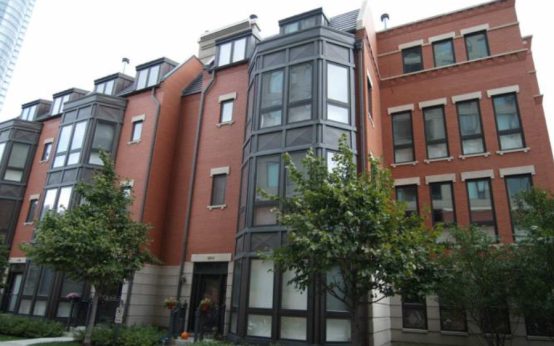 Former Chicago Bulls Guard Jevon Carter Sells West Town Home
  Understanding Real Estate Fees
  Homeowners’ Guide to Home Equity Loans: Costs and Considerations
 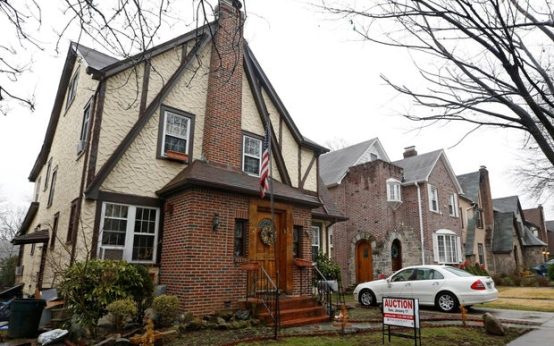 Trump’s Childhood Home Renovated and Sold for Nearly $2 Million
  Luxury Five-Bedroom Home for Sale in Edgewater, Chicago
  Skokie Trustees Revise Short-Term Rental Regulations