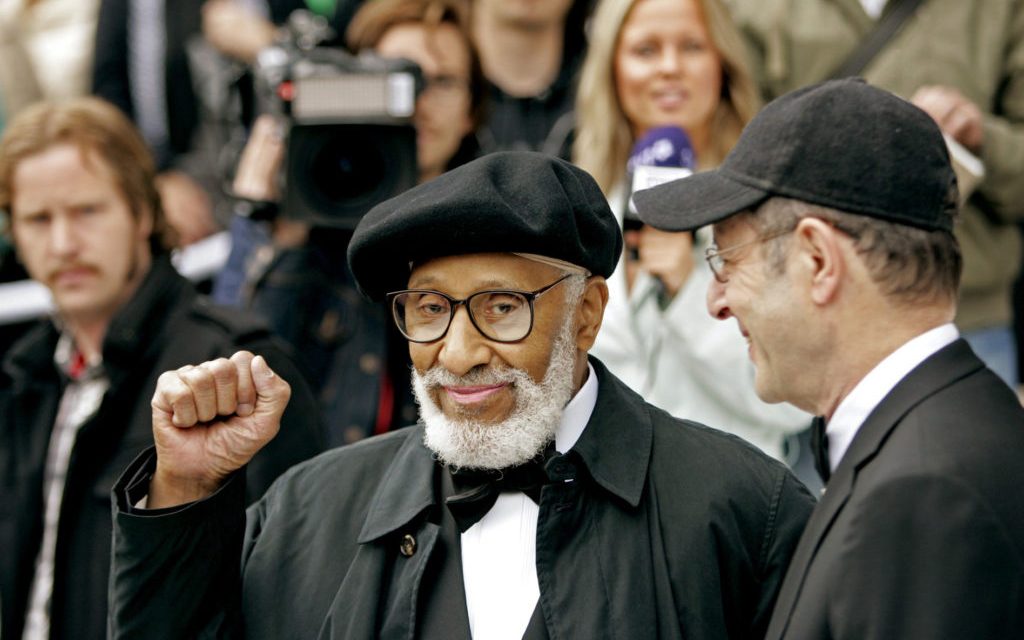
Sonny Rollins, renowned tenor saxophonist known for his bold and distinctive tone, passed away Monday at the age of 95. Rollins spent over 50 years at the forefront of jazz innovation. Spokesperson Terri Hinte confirmed to The Associated Press that Rollins died at his home in Woodstock, New York. He faced various physical challenges and had been mostly confined to his home in recent years.
Early Career and Influence
Rollins’ influence in the world of jazz began as a teenage prodigy, evolving through his experimentation with free jazz and beyond. He stood alongside legends such as John Coltrane and Charlie Parker as one of the bebop era’s greats. His saxophone solo on the Rolling Stones’ 1981 album “Tattoo You,” particularly on “Waiting on a Friend,” is a testament to his wide-reaching impact.
Despite his success, Rollins pursued constant growth in his art, often taking long breaks to explore new musical styles. He referred to himself as “a work in progress,” never settling into a single play style. Rollins even found it difficult to listen to his earlier recordings due to perceived flaws.
Achievements and Legacy
Throughout the 1990s and 2000s, Rollins released several critically acclaimed albums. He maintained a disciplined practice routine and continued to tour into his 80s. Pulmonary fibrosis, a condition affecting the lungs, eventually led to his retirement from performing. His last concert took place in 2012, and he ceased playing altogether in 2014.
Rollins was honored with a Grammy award for his 2001 album “This is What I Do” for Best Jazz Instrumental Album and won another Grammy in 2006 for “Why Was I Born?” His concert performances were highly celebrated, including a memorable live recording after the September 11 attacks in Boston.
The Journey of Recovery and Reinvention
Rollins’ early career faced significant challenges, including a heroin addiction in his late teens. His addiction led to jail terms but eventually he sought treatment in 1954. This marked a turning point; he experienced a spiritual awakening and redirected his life. Later, he joined the Max Roach-Clifford Brown quintet and released “Saxophone Colossus,” a pivotal work in hard bop music.
Rollins’ career was marked by periods of contemplation and growth, including practicing alone above the East River on the Williamsburg Bridge. He continued evolving musically, embracing free jazz upon returning to the scene in 1961, though this shift divided fans.
During his life, Rollins pursued various interests like Zen Buddhism, which prompted more sabbaticals. Upon resuming his recordings in 1972, he was celebrated as a jazz legend. His career saw him receiving a Guggenheim fellowship and other accolades.
Remembering Sonny Rollins
Born Theodore Walter Rollins on September 7, 1930, in Harlem, he grew up in a music-loving family. Though initially encouraged to play piano, he fell in love with the saxophone at age 11. Rollins, largely self-taught, rose to prominence by performing in local clubs at night.
Rollins’ legacy includes a wealth of unreleased recordings. He expressed indifference over what may become of them after his passing, finding solace in leaving behind the pressures of musical perfection.
Sonny Rollins is survived by his nephew Clifton Anderson, and nieces Vallyn Anderson and Gabrielle DeGroat. His contributions to jazz remain influential and celebrated worldwide.
 Emmy Awards to Stream on Amazon Prime Next Year
 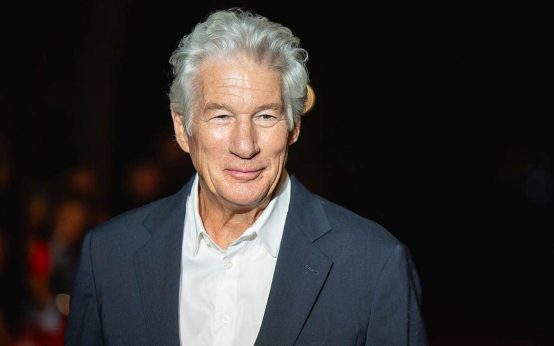 Richard Gere Explores Happiness Through Buddhism and Fame
 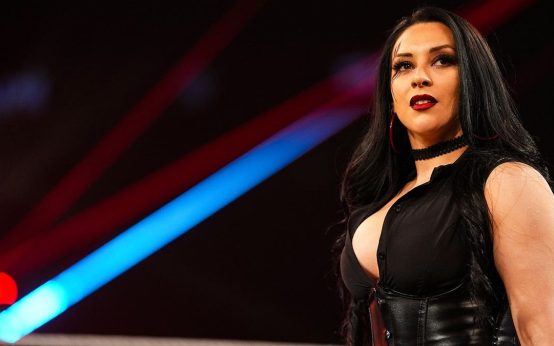 Stephanie Vaquer Heats Up WWE with Bold Statements and Actions
  Pete Davidson Questions Connection Between NYC Mayor and Staten Island
  Baltimore Arts Executive Fired Over Hairstyle Sparks Controversy
  Chicago International Film Festival to Introduce Physical Media Fair in 2026