Understanding the Role of Dogs in Anxiety Support
Dogs possess qualities beyond their adorable looks. They affect human health positively. Anxiety disorders affect 19.1% of U.S. adults according to the National Institute of Mental Health. While dogs aren’t substitutes for professional treatment, studies show they offer emotional support. A 2019 study in Animals noted interaction with dogs reduces anxiety and improves mood. Mayo Clinic supports these findings by citing pet interactions lower cortisol levels and raise oxytocin.
Examining Breeds Suitable for Anxiety Support
Evan Doggett, a certified dog trainer, discussed breeds that help manage anxiety. He notes variations in temperament depending on breeding lines.
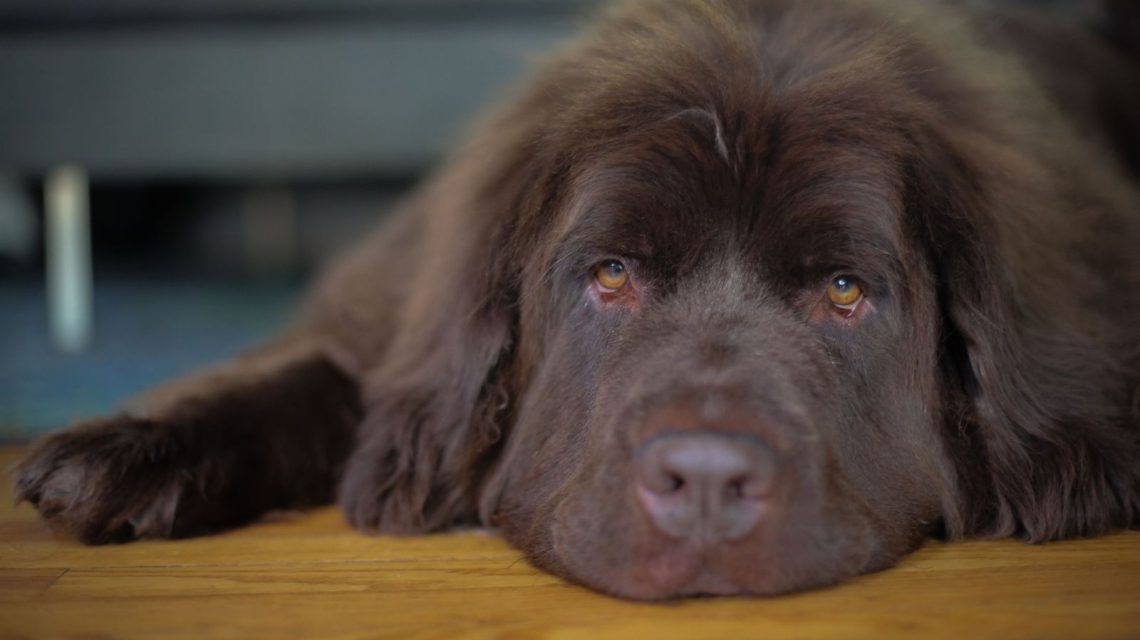
Newfoundland
Newfoundlands, known as “gentle giants,” exhibit calming traits. Their strong human attachment aids those with anxiety. Their thick coat requires routine grooming.
Labrador Retriever
Labradors are popular for their eagerness to please. Their trainability makes them therapy staples. Their enthusiasm and routine help owners with anxiety stay active. Pay attention to breeding lines. “Field” Labradors are more energetic than therapy-bred dogs.
Golden Retriever
Golden retrievers are prized for their gentle nature. They often serve in therapy work due to their kind disposition. Not all share the same energy levels. Field-line goldens are more driven than companion-bred ones.
Poodles
Poodles, both standard and miniature, excel as therapy dogs. They remain close to owners and adapt well to stimulating environments.
Greyhound
Retired racing greyhounds reveal a calm demeanor at home. Despite needing regular runs, they form strong bonds with their owners, providing consistent loyalty.
The Role of Rescue Dogs
Rescue dogs often make excellent companions. Mixed breeds aged 5 to 7 years display calmness and learn quickly. Older dogs may require less exercise yet provide attentive companionship.
Additional Considerations for Therapy Dogs
Early experiences and health influence a dog’s suitability as therapy companions. Spaying or neutering below certain ages can increase anxiety without proper nutrition. Diet impacts dog’s mood and responsiveness.
While dogs offer comfort, they don’t replace professional mental health treatment. Dogs provide companionship, routine, and affection to complement other anxiety-management strategies.
 Potential Changes in Medicare Reimbursement for Lab Tests
  Understanding and Addressing the Complexity of Suicide
  Dietitian Advises Caution with Costco’s High-Protein Chef Salad
  Recall of Meat Products from Star Meat Delivery Inc.
  Questions Arise After Presley Gerber’s Death in Rehab
  Beach Dispute Turns Tragic