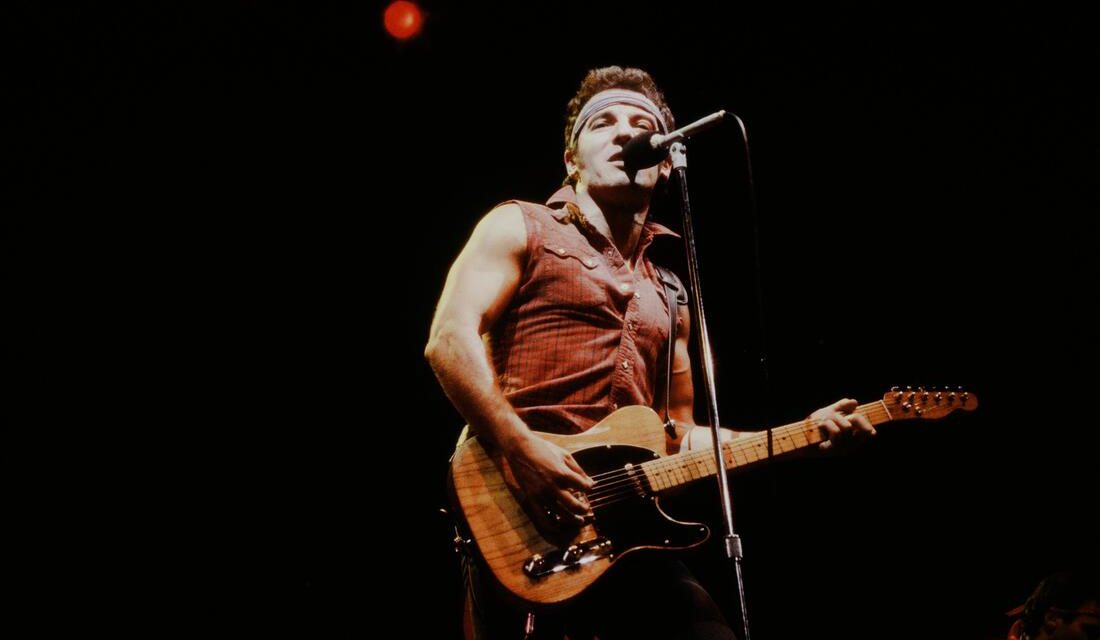
Bruce Springsteen captivated audiences during his Born in the U.S.A. tour in 1984. Yet, the song’s lyrics present more than a simple patriotic anthem. Instead, they depict a Vietnam War veteran facing harsh realities upon returning home.
While the title’s refrain resonates with triumph, the verses paint a picture of struggle. Many interpret the song as a celebration of American pride. NPR’s American Anthem series explores these misconceptions.
Lauren Onkey, NPR Music director, explained that Springsteen’s inspiration stemmed from a benefit he did for Vietnam veterans in Los Angeles in 1981. There, he sought to capture their experiences in song.
The result was an initial demo titled “Vietnam.” It details a veteran’s attempt to reclaim his job, met with a cold reception:
“Son, understand, if it was up to me …
Bout half the town’s out of work
Ain’t nothin’ for you here
From the assembly line to the front line
But I guess you didn’t hear:
You died in Vietnam.”
Springsteen retained this haunting scene in his project. He then infused a powerful “Born in the U.S.A.” refrain. For many, these words were imbued with a collective narrative of disillusionment.
Onkey notes this theme of characters searching for belonging. Often, they find opportunity scarce. This resonates with Springsteen’s long history of depicting lost, aimless figures.
The final version of the song delivered defiance via exuberant musical expression. Springsteen later shared with WHYY’s Fresh Air that the chorus embodies pride. He sought to contrast the bleak verses with hope and spirit in the refrain.
Chris Christie, a longtime fan, attended a concert during this period. He noted that Springsteen’s performances emanated jubilant energy, eclipsing the despair woven through the lyrics.
Even President Ronald Reagan, while campaigning in 1984, cited Springsteen’s “message of hope.” He missed the underlying critique, focusing solely on the optimism.
Conservative columnist George F. Will attended a Springsteen concert that year, invited by drummer Max Weinberg. Will praised the performer’s energy in a column, linking it to American work ethic.
While Springsteen’s political stance conflicted with Reagan’s administration, he welcomed the attention. As he later said, misunderstandings only seemed to boost his popularity.
In live performances over the years, Springsteen has adapted the song’s delivery, focusing on different elements. He sometimes performed acoustic, emphasizing lyrical depth over jubilant choruses. In 2003, during the Iraq conflict, he voiced it as a plea for peace.
Onkey reflects that the song’s endurance comes from its dual nature. It captures American complexities in both struggle and pride. Its enduring narrative bridges the gap between the realities of life and hopeful ideals.
 Discover Five Simple Art Projects to Try at Home
  Chicagohenge: When Sunlight Aligns with City Streets
  Stallone Surprised by Appointment as Hollywood Ambassador by Trump
  Sylvester Stallone: A Multifaceted Hollywood Icon
  Fat Bear Week 2026: A Look at the Contest and Its Competitors
 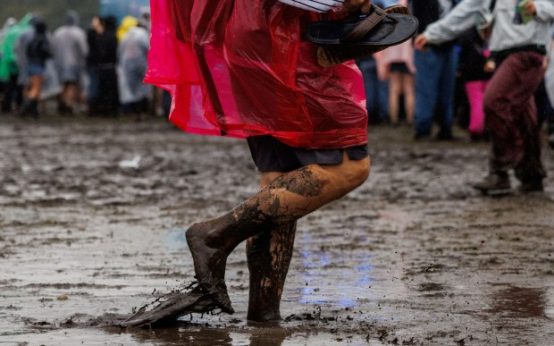 Riot Fest’s Muddy Weekend and Commitment to Park Restoration