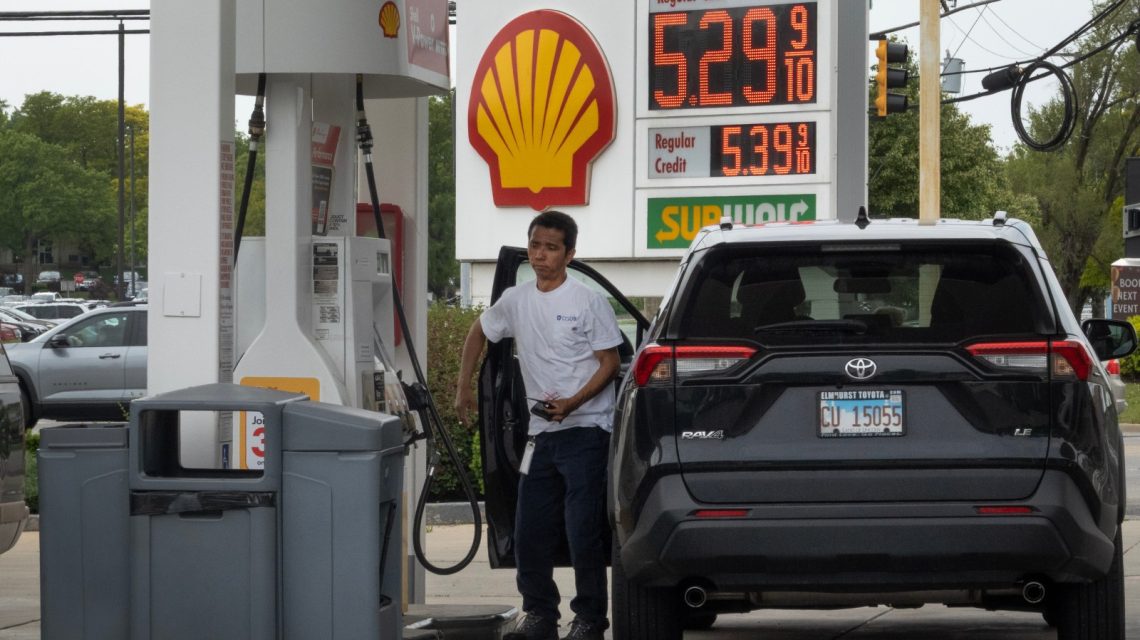
Gas Prices Hit Record Highs Across Regions
This summer, gas prices have soared to levels not seen in years, particularly affecting the West Coast of the United States. AAA data reveals significant regional differences in gas prices. The national average has climbed to the mid-$4 range. However, certain states, predominantly along the West Coast, are experiencing prices exceeding $6 per gallon. Regions in the South and Midwest, although below the national average, are also facing sharp increases since February, when global oil markets were affected by the Iran war.
States with the Highest Gas Prices
According to AAA data, the West Coast dominates the list for the highest average regular gas prices in early summer:
- California — $6.094
- Washington — $5.752
- Hawaii — $5.655
- Oregon — $5.290
- Alaska — $5.255
- Nevada — $5.243
- Arizona — $4.767
- Illinois — $4.903
- New York — $4.584
- Connecticut — $4.604
The West Coast states continue to face challenges with higher fuel costs, driven by environmental regulations, refinery constraints, and limited access to cheaper fuel supplies.
Impact on Travel Costs
The increase in gas prices has made long-distance travel noticeably more expensive compared to last year. The current national average of $4.46 per gallon represents a significant rise from $3.17 a year ago. A typical vehicle, averaging 25 miles per gallon, requires about 40 gallons to cover 1,000 miles. This journey now costs approximately $178, as opposed to $127 last year, a difference of over $50 per long-distance trip. Households with multiple road trips planned will see hundreds more added to their travel expenses. Analysts indicate prices could remain high due to ongoing disruptions in the Strait of Hormuz, a crucial global oil transit route.
Adjustments in Travel Plans
Americans have adapted their travel plans due to rising fuel costs. AAA’s Memorial Day forecast showed a record number of travelers on the road, but many are opting for shorter trips or closer destinations. Surveys from GasBuddy and other platforms reveal that some travelers have chosen to skip vacations altogether. Roughly 56 percent still plan to travel this summer but are delaying trips or opting for more budget-friendly accommodations and activities.
States Benefitting from Road Trips
States known for tourism, especially those featuring national parks and scenic attractions, benefit significantly from road-trip travel. According to Roadtrippers, California, Florida, and Texas are top choices for travelers, largely due to their vast array of attractions like national parks and coastal routes. California alone attracts over 16 percent of all road-trip travelers.
Other states with notable landmarks, including Arizona, Utah, Wyoming, and South Dakota, enjoy economic boosts from road-trip tourism. These destinations rely on visitors traveling by car to reach renowned sites such as the Grand Canyon and Yellowstone. Despite increasing gas prices, these regions continue to welcome millions of visitors, cementing road-trip tourism’s importance to their local economies.