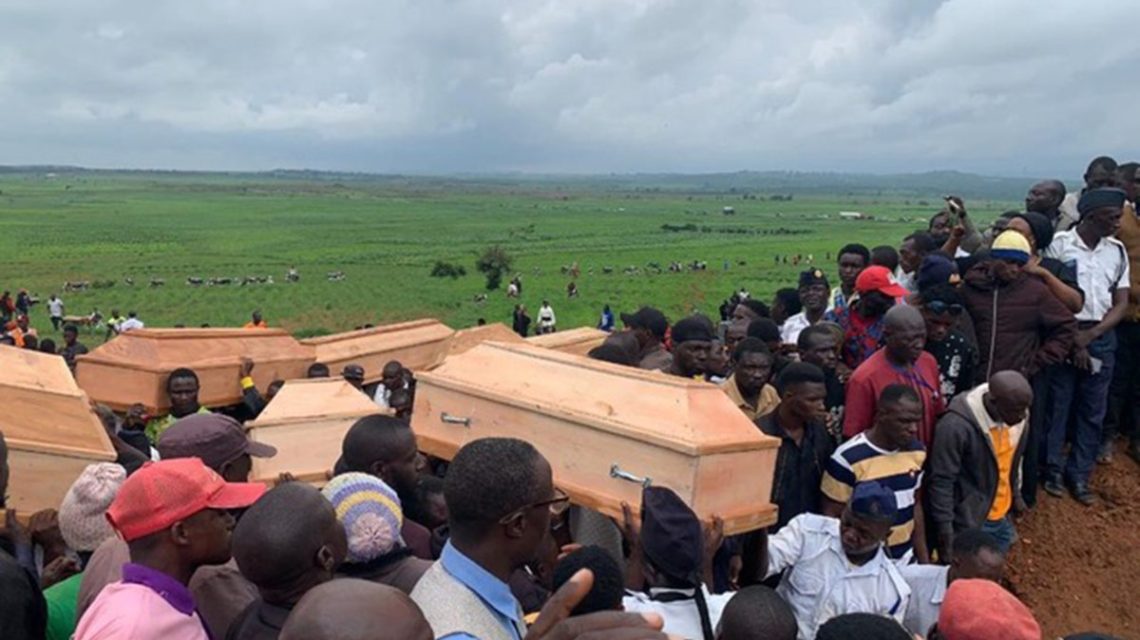
A recent report estimates that around 30,000 Fulani militants are active in Nigeria, leading to increased insecurity and violations of religious freedom. According to the U.S. Commission on International Religious Freedom (USCIRF), violence by these militants caused the highest number of deaths among religious groups in Nigeria last year, surpassing attacks by insurgent groups and criminal gangs.
Impact on Christian Communities
The Fulani, traditionally herders, have been targeting Christian farming communities, especially in the Middle Belt and extending to the South. These attacks include burning homes and churches, along with incidents of kidnapping, rape, and murder. In one instance, funerals took place for 27 Christians reportedly killed by Fulani tribesmen in Bindi village, Plateau State, on July 28, 2025.
Challenges in Addressing Violence
Sterling Tilley, a former counterterrorism expert at the U.S. State Department, argued against using military force to address the farmer-herder conflict. He emphasized that military action could cause more instability. Instead, he suggested that resolving the conflict requires political commitment from Nigeria. Protests have erupted, such as the one in Benue State in June 2025, following deadly attacks by Fulani militants.
Secretary of War Pete Hegseth noted the U.S. strikes against terrorist organizations like Boko Haram, underlining the focus on protecting Nigerian Christians targeted by these groups. However, these responses face criticism; critics describe them as inadequate or even complicit.
The Broader Impact of Fulani Violence
Christian Solidarity International and Open Doors UK highlight that Christians, who form 48% of Nigeria’s population, often suffer attacks during religious holidays to amplify fear. Additionally, the USCIRF report notes that Muslims are not spared from attacks. Fulani assailants have also raided other Muslim communities.
Henrietta Blyth, CEO of Open Doors UK & Ireland, shared personal stories of individuals affected by this violence, stressing the complexity of the situation. She affirmed that while religious motivations are often cited, not all acts are religiously driven. The violence greatly affects Christians, many of whom are in dire need of protection and the means to rebuild their lives.
Political Implications
The report highlights criticism of Nigerian authorities for their handling of Fulani violence, with responses being seen as unsatisfactory at best. Elections in Nigeria are scheduled for next year, and the Fulani possess significant political influence. This political reality may hinder decisive action against the violence, as the government might fear losing its support base in key regions.
Fox News Digital did not receive a response from the Nigerian government at the time of publication. Veteran correspondent Paul Tilsley based in Johannesburg, South Africa, has been reporting across various continents for decades and provides valuable insight into the ongoing conflict.
 Pope Leo XIV’s Mass in Paris Draws Hundreds of Thousands
 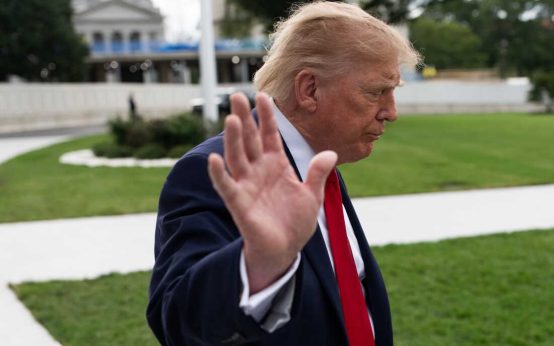 Trump Rejects Iranian Proposal to Reopen Strait of Hormuz
 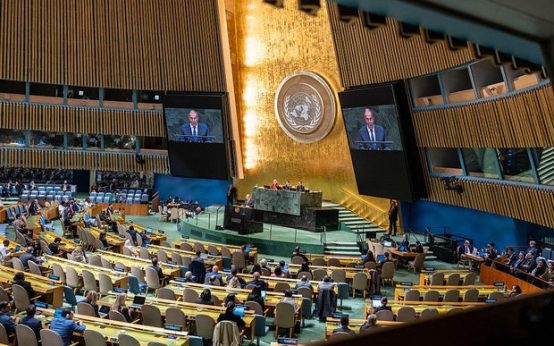 Escalating Tensions at the UN: Russia Accuses Europe of Blocking Peace Plans
  China’s Military Support for Iran Raises Concerns
  Tensions Over Strait of Hormuz: U.S. and Iran Negotiate Amid Conflict
  AI Concerns and International Relations: Bill Gates Urges Oversight Amidst Global Summit