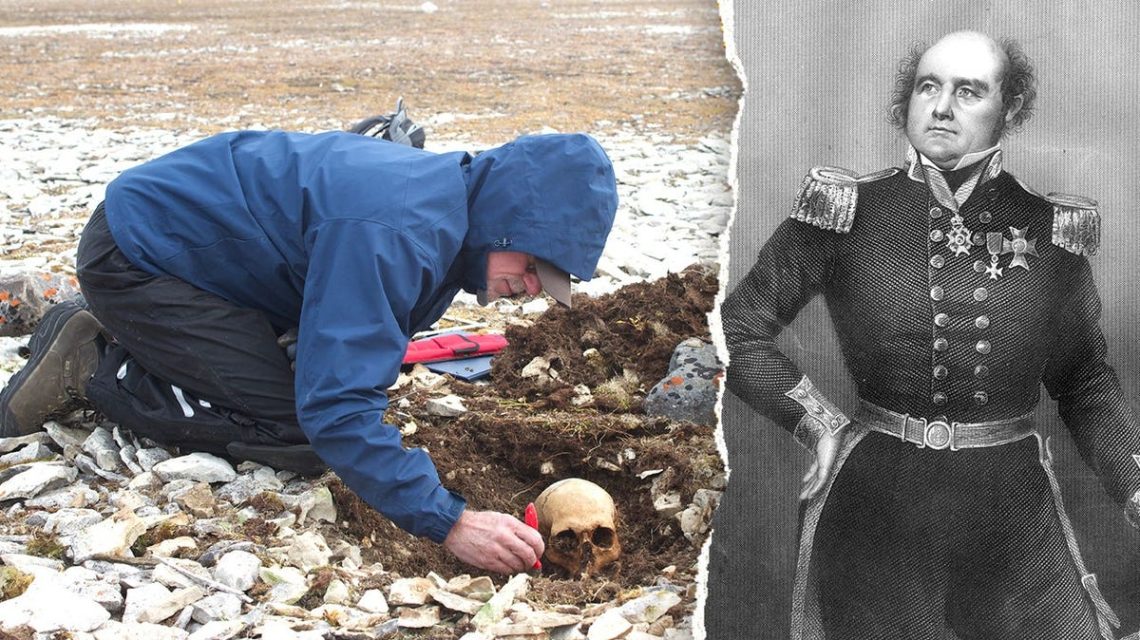
Researchers have identified four additional members of Sir John Franklin’s ill-fated expedition to find the Northwest Passage, thanks to DNA analysis. This effort has provided new insights into the well-documented Arctic saga. The analysis helped identify Able Seaman William Orren, Boy 1st Class David Young, Subordinate Officers’ Steward John Bridgens, and Harry Peglar, Captain of the Foretop on HMS Terror.
Franklin’s journey began in 1845 with 129 officers and crew aboard HMS Erebus and HMS Terror. The mission aimed to map the Northwest Passage, a potential trade route. However, the ships became trapped in ice near King William Island in Nunavut by September 1846. Franklin died in 1847, and the remaining crew attempted to escape, with all 105 dying in the process.
Identifying the Crew
The University of Waterloo led the research, analyzing skeletal remains from the region. They matched DNA from the remains to living descendants, confirming the identities of the sailors. This work builds on previous findings, including the identification of John Gregory in 2021 and Captain James Fitzjames in 2024.
Study co-author Stephen Fratpietro, from Lakehead University, highlighted that the identification of the crew provides a more comprehensive understanding of the expedition. The discovery of five sailors near Erebus Bay, less than 1.25 miles apart, piqued researchers’ interest. The results also cleared up a misidentification regarding David Young’s remains, initially thought to belong to another crew member.
Challenges and Significance
Douglas Stenton, another co-author, explained the difficulties in extracting viable DNA from remains. Arctic conditions challenge the preservation of genetic material, but researchers found teeth to be more reliable for DNA analysis.
Stenton emphasized the expedition’s hazardous nature, marked by extreme cold and treacherous ice. Despite being the best-equipped mission of its era, Franklin’s expedition faced overwhelming challenges, including risks to physical and mental health.
Future Research and Collaboration
The study noted that the Northwest Passage was a coveted route for its trade potential between the Atlantic and Pacific. As research progresses, scientists aim to collaborate with genealogists and descendants to identify more crew members. They may also collect further archaeological DNA samples.
These efforts provide closure for families and a deeper understanding of historic events. The project highlights the importance of descendant participation in uncovering the past, offering an essential perspective to the ongoing investigation.
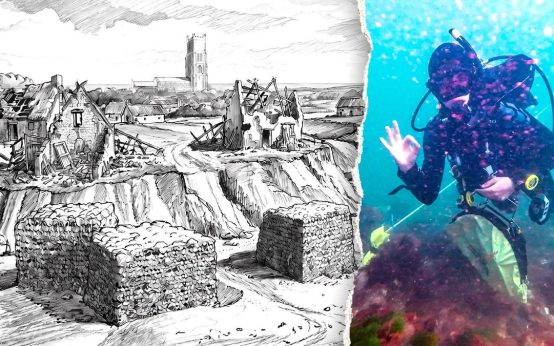 Underwater Discoveries: Exploring the Lost Town of Shipden
  Virginia Tech Researchers Investigate Black Bear Hibernation
 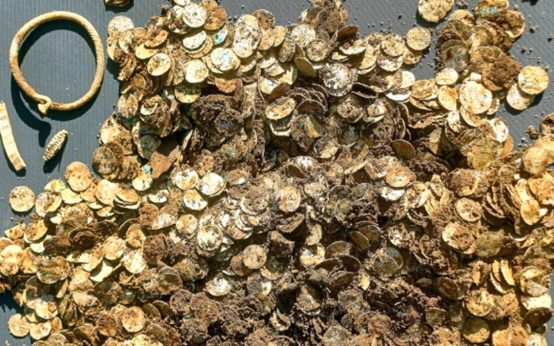 Significant Viking Age Silver Hoard Discovered in Finland
  Dogs Use Similar Language Recognition Techniques as Human Infants
  Discovery of Tilcayo Tiger Cat, a New Wild Cat Species in Bolivia
 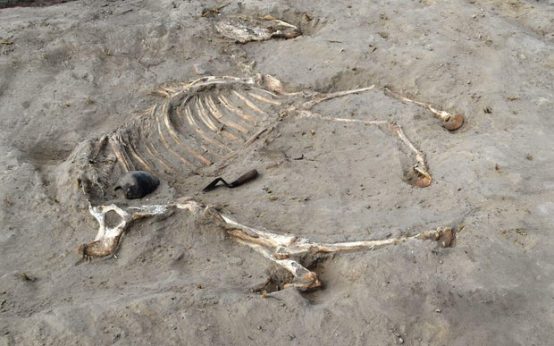 Ancient Egyptian Warhorse Burial Unearthed in Beheira