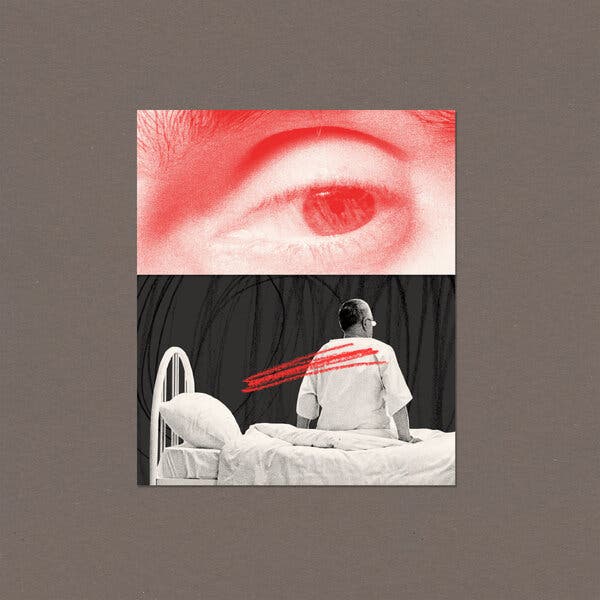
In recent years, attempts to remove stigma in medicine have been significant. Yet, Robert F. Kennedy Jr., the health secretary, is introducing the conversation on personal responsibility back to the public sphere.
“If you want to eat doughnuts all day or drink sodas, that’s your choice,” Mr. Kennedy commented, pondering, “Should you then expect society to care for you when you predictably get very sick?”
These comments reflect a broader trend in Mr. Kennedy’s rhetoric. During an event in West Virginia in March, he mocked the governor’s weight and suggested a public weigh-in until weight loss was achieved. Additionally, he proposed solving the obesity epidemic with simple diet changes and criticized the use of GLP-1s, implying pharmaceutical companies prey on ignorance and dependency.
Mr. Kennedy’s perspective signals a return to a time when obesity was seen more as a lack of self-control than as a medical condition. This viewpoint dismisses concepts like body positivity and ‘health at every size’ in favor of a narrative focused on blame and self-discipline.
To supporters, Kennedy’s assertions represent moral clarity, but to public health experts, it is seen as a dangerous setback. Allan Brandt, a historian at Harvard Medical School, has commented on this phenomenon.
“We’re seeing an impressive resurgence of some of the stigmas that we felt perhaps we were doing better about,” Brandt stated.
For decades, public health efforts moved away from harsh messages linked to personal virtue. Kennedy’s leadership suggests a reaction against such changes, indicating concerns that compassion has morphed into complacency and personal responsibility is being overshadowed by systemic factors, such as food deserts.
 Legal Challenges Arise Over GLP-1 Receptor Agonists and Vision Loss Risks
 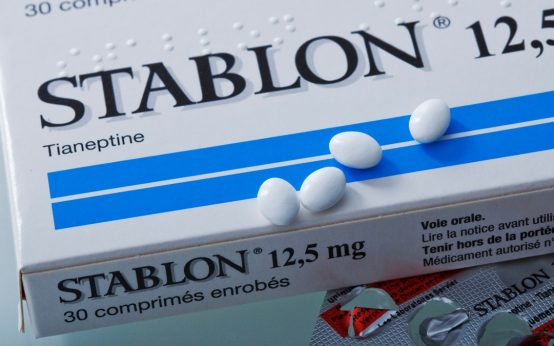 States Move to Restrict Tianeptine Amid Growing Concerns
  Potential Changes in Medicare Reimbursement for Lab Tests
  Understanding and Addressing the Complexity of Suicide
  Recall of Meat Products from Star Meat Delivery Inc.
  Questions Arise After Presley Gerber’s Death in Rehab