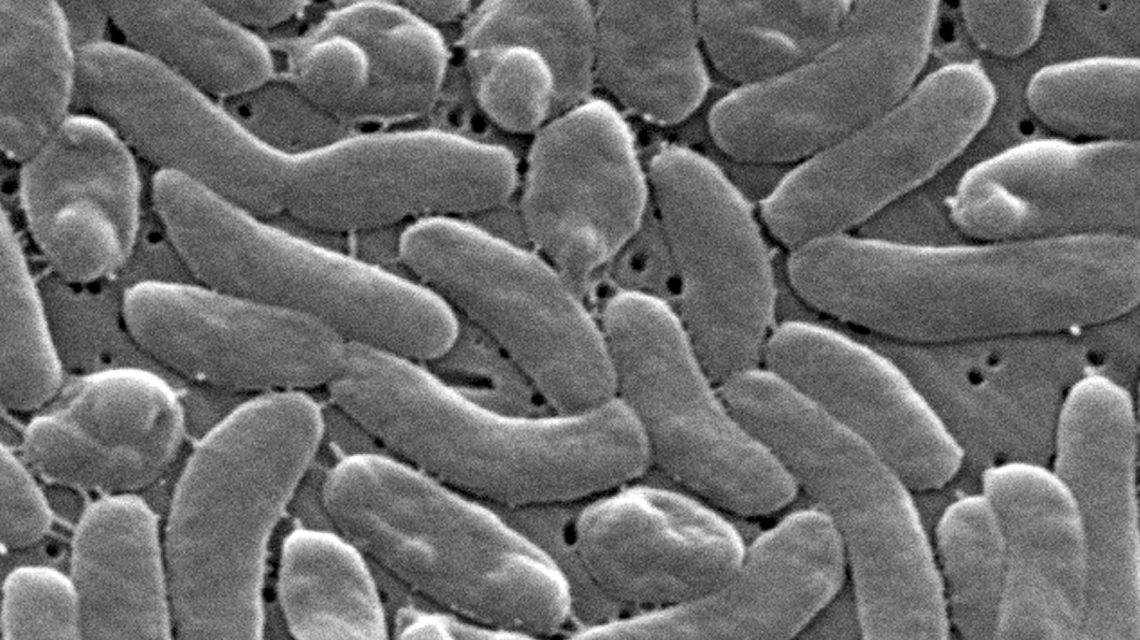
In Louisiana and Florida, six individuals have died due to Vibrio vulnificus, a bacterium known for its serious health risks. This year in Louisiana, nine residents have been diagnosed with this infection, resulting in hospitalizations, with five fatalities reported. In comparison, the average number of cases at this time over the last decade was seven, with only one death.
The infections in Louisiana all occurred due to wounds exposed to seawater, with each patient having an underlying health issue. Health officials advise avoiding contact with saltwater or brackish water, especially during warmer months when the bacterium is prevalent.
In Florida, 12 cases have been identified, along with one death in Palm Beach County—the first linked to the bacterium in 2026. Vibrio vulnificus naturally inhabits coastal waters, becoming more concentrated as water temperatures rise from May to October.
Infections typically occur from contact between an open wound and contaminated water, and through consuming raw or undercooked seafood, especially oysters. The CDC notes that fatalities occur in about 20% of cases, potentially within days of contracting the infection.
Warnings and new cases have surfaced beyond Louisiana and Florida, as summer temperatures attract more people to coastal regions.
Reported Cases in Other States
Apart from Louisiana and Florida, Alabama and Connecticut have also recorded infections, though limited details are available. Alabama’s first case was confirmed in April by the Mobile County Health Department, which did not disclose specifics about the patient or infection severity. Precautionary advice had been issued earlier in March after recording 16 cases of vibriosis in 2025, linked mostly to undercooked food.
In Connecticut, a February case involved a person who consumed contaminated oysters from outside the state. These reported cases across four states appear to be unconnected.
Understanding Vibrio Vulnificus Risks
Vibrio vulnificus is part of the Vibrio species that can lead to vibriosis. It differs from Vibrio cholerae strains causing cholera and isn’t known to spread from person to person, according to the CDC.
The infection’s occurrence is rare, with around 150 to 200 cases annually in the U.S. It can rapidly escalate, leading to life-threatening infections. Those at higher risk include individuals with liver disease, cancer, diabetes, HIV, thalassemia or those on immune-suppressing treatments. Others at increased risk are those on stomach acid-reducing medication or recent stomach surgery patients.
Symptom severity varies depending on infection type. Intestinal infection symptoms are diarrhea, stomach cramps, nausea, vomiting, fever and chills. Wound infections showcase redness, pain, swelling, warmth, discoloration and fluid discharge around the site.
If it reaches the bloodstream, symptoms include fever, chills, low blood pressure and blistering skin lesions. Immediate medical care is advised for those showing signs of a Vibrio wound or bloodstream infection, particularly if they’ve interacted with coastal water or raw seafood.
Mild intestinal infections might resolve without antibiotics, though replenishing fluids lost via diarrhea or vomiting is vital. Severe or prolonged infections may necessitate antibiotics, while grave wound infections might require surgery for tissue removal. Early intervention is critical and can save lives.
 Trump Administration Issues Refunds to ACA Enrollees
  Study Links Ultra-Processed Foods to Health Risks
  Psychiatrists Rethink Diagnoses with Social Media Trends
  Coping with Grief and Seeking Support After Loss
  Understanding Inflammation Beyond Social Media Hype
  Physicians Urge Senate to Reject FDA Nominee