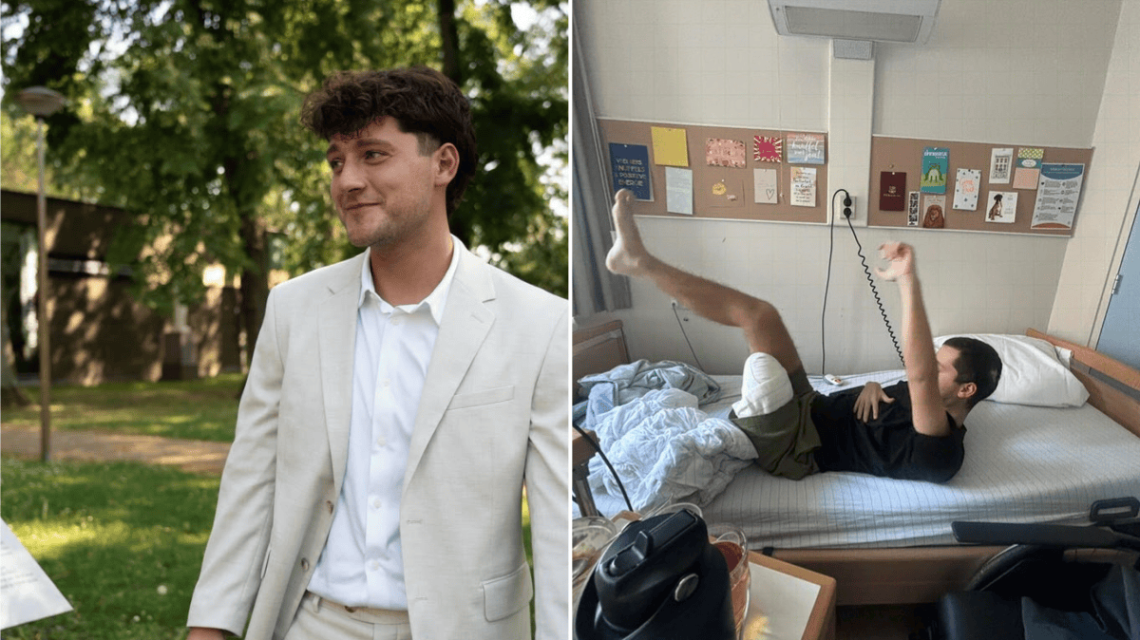
Two months ago, I returned to my home on the island of Lombok in Indonesia after enjoying a birthday barbecue with friends. I was content with the life I had built, far from my origins in Berkel-Enschot, Netherlands. That night, I went to bed feeling happy.
When I awoke, confusion struck. I didn’t recognize my surroundings. To my horror, I realized that one of my legs had been amputated.
Travel has been an integral part of my life from a young age. My family took several long trips to distant places, sparking my love for exploration. I was an active child, growing up playing soccer, but surfing eventually became my passion.
After completing my schooling, I pursued a degree in marketing at university. I entered the workforce yet always carved out time for travel, seeking out remote experiences.
Originally drawn to Lombok for its surfing, I soon discovered a lifestyle vastly different from Europe. Life back home often felt hectic and structured. In Lombok, I embraced the slower pace, enjoying evenings spent with locals playing guitar and relaxing together. Over 18 months, the community on Lombok became my extended family.
My name is Lucas Engel, meaning “angel” in Dutch. Reflecting on recent events, it seemed as though I had an angel watching over me.
After my birthday, I remember coming home and sleeping, but then, nothing more. My family grew concerned when I didn’t return messages or calls, prompting friends in Lombok to check on me. They found me collapsed near my bed.
What happened that night remains a mystery. This uncertainty is one of the hardest aspects to endure.
I was admitted to a hospital in Lombok with a [Glasgow Coma Scale (GCS)] score of 4, a critical state given that the lowest score is 3. I suffered a fractured skull, two brain bleeds, and a broken collarbone. Emergency brain surgery was necessary. My family, informed via FaceTime, saw a CT scan revealing my brain to be awash in blood. Permission was needed for the surgery, yet prospects of survival looked grim.
Complications arose as I required vascular surgery for my foot. However, Lombok lacked a vascular surgeon, while Bali did have one. Despite the risk, transferring me was the only chance for survival. I was rushed to the airport, then onto a plane with limited oxygen, and finally arrived in Bali under emergency conditions.
In Bali, immediate examinations were conducted. Initial assessments suggested potential amputation of just a toe, but my brain scan signaled otherwise. It displayed continued bleeding and extreme swelling, necessitating further interventions. Surgery on both my leg and head followed that night.
I required numerous blood transfusions, forcing my family to find donors amidst worsening conditions. I encountered septic shock, organ failure ensued, and I was placed on dialysis. Plans to remove dead leg tissue ended with the realization that amputation above the knee was necessary.
In surgery, my precarious state meant blood loss could prove fatal, yet alternatives were absent. Surgeons amputated above the knee, and further steps included managing severe brain pressure, which peaked at 62 (normal being between 5 and 15). The solution involved removing part of my skull for storage in my abdomen. I underwent two vital brain surgeries amidst incredibly slim odds of survival.
After enduring three weeks in a coma, I survived. The process of waking commenced. Initially, breathing independently was impossible, and medical personnel warned my family about potential tracheostomy tube placement. Fortunately, self-breathing resumed timely.
Despite being awake, swallowing challenges and aphasia hampered my ability to communicate. A terrifying belief of surviving a plane attack engulfed me, underlying misconceptions about losing my leg.
The doctors declared my survival a miracle.
Following over a month in Bali, transportation to the Netherlands occurred while I lay prone. My journey there entailed additional hospital stays, surgeries to remove the skull section from my abdomen, and commencing rehabilitation. A skull portion remains absent.
The broken collarbone incurred stretched shoulder nerves, rendering my right arm largely paralyzed. Rehabilitation is demanding, with uncertain recovery prospects. Vision impairment in my right eye persists due to nerve damage from brain displacement. However, maintaining a positive outlook is paramount. My goal is to walk once more.
Acceptance of my leg’s loss gradually settled, despite phantom sensations. Trust in modern prosthetics and rehabilitation sustains hope of regaining much of what was thought lost.
Moving forward, it’s time to focus on rehabilitation and continue the recovery journey. I document my progress on TikTok under the handle @OneLegendLucas.
 Student Tackles Brain Cancer While Pursuing Education
 Sheila Fallon Brings Thanksgiving Joy to Michigan Families
 Navigating H-4 Visa Challenges and Triumphs in the U.S.
 Jimbo Covert Reflects on Mike Ditka’s Legacy and Revie Sorey’s Impact
 Demolition Marks the End of San Francisco’s ‘Tom and Jerry’ Christmas House
 Family Traditions and the Future of Christmas Tree Farms