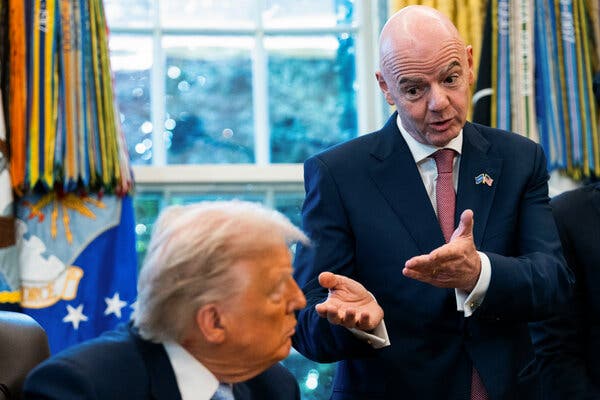
FIFA’s president, Gianni Infantino, described a phone call from President Donald Trump as routine, following the U.S. team’s victory over Bosnia, advancing to the quarterfinals. He mentioned the frequent communication with Mr. Trump about the World Cup.
This particular call, however, ignited a significant crisis in the 96-year history of the World Cup. It cast doubt on FIFA’s claim of being a neutral overseer of soccer. President Trump was reportedly enraged, watching the game unfold, when informed that star player Folarin Balogun would miss the quarterfinal against Belgium due to a red card issued by the Brazilian referee after an on-field review.
President Trump, perceiving an error, initiated a call seeking review. He portrayed the request as standard but its ramifications brought suspicion upon the event’s integrity, a grave concern in sports.
The rules for red cards in soccer are explicit and fairly straightforward. An automatic suspension follows, forcing a player to miss the upcoming match, even if the penalty seems severe. On Sunday, FIFA announced an exemption for Mr. Balogun, which led many to speculate it resembled a presidential pardon rather than a procedural decision.
FIFA, known for controversies, defended its stance using formal jargon about procedures and committees. It asserted that Mr. Trump and Mr. Infantino were mere observers, with the verdict determined by an independent entity, allegedly beyond the influence of FIFA’s top officials.
 Ja’Marr Chase Shines in Bengals Win Against Texans
 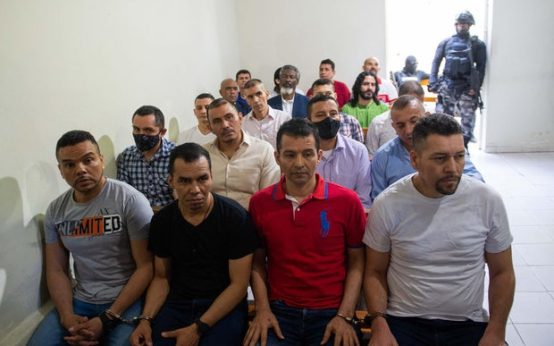 Suspects in Haitian President’s Assassination Await Extradition to U.S.
  Ambassador Avoids Timeline on Prolonged Iran Conflict
 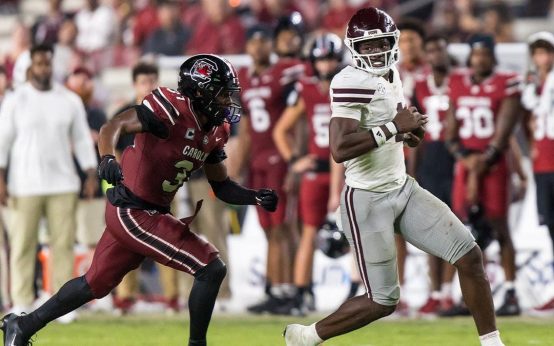 College Football Week 3 Recap: AP Poll Changes and Upcoming Matchups
 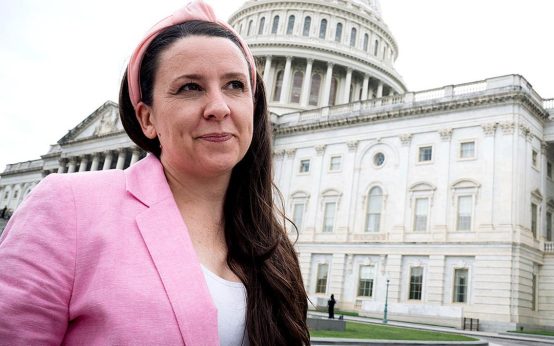 Controversy Surrounds Children’s YouTube Star and Journalist’s Revelations
 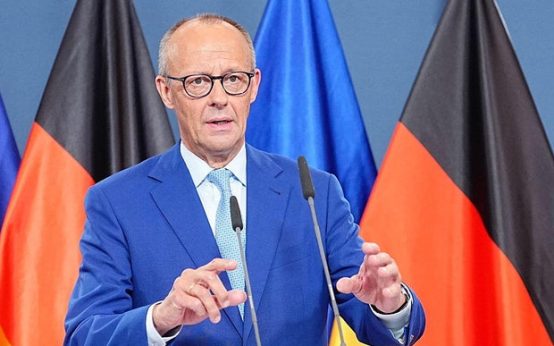 German Chancellor Friedrich Merz Faces Challenges After Election Losses