Artificial intelligence is significantly cutting the cost of political advertising. Campaigns can now produce attack ads, memes, and other targeted messages quickly and affordably. Generative AI enables campaign teams to create content in hours, a task that once took days with writers, voice talent, and production teams.
This change makes political ads more accessible and less of a financial burden, potentially flooding voters with messages. Ad tracking firm AdImpact reported 29 federal and gubernatorial campaign ads using AI content recently. The Wesleyan Media Project noted at least 164 AI-influenced ads this cycle.
The jury is still out on whether AI can help win elections.
Veteran Republican consultant Jesse Hunt and Democratic strategist Chris Moyer both emphasize AI’s benefits in cost efficiency and creative variety. Chris Moyer highlights that AI tools now allow campaigns to access resources previously limited to larger budgets. However, successful use of AI requires understanding its tools, notes Will Ritter, co-founder of Poolhouse agency.
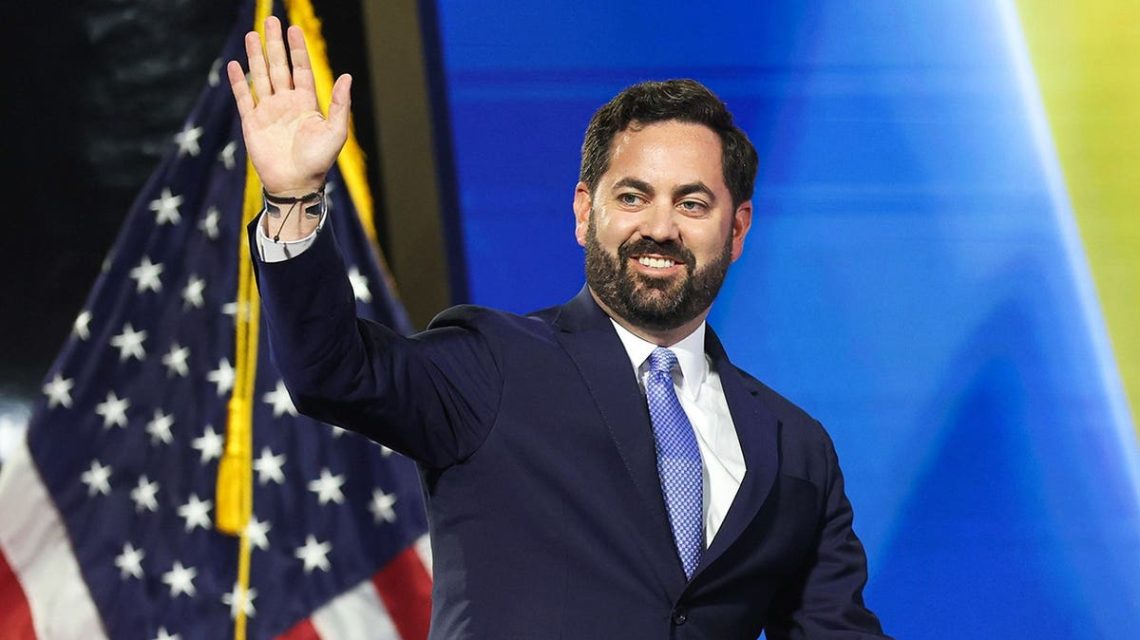
Ciro Riccardi, campaign adviser for Republican Rep. Mike Lawler, stresses that AI is essential for campaign productivity. Lawler’s campaign even reported higher spending on volunteer pizza than AI tools, illustrating AI’s cost efficiency.
AI-generated messaging’s impact remains uncertain. Republican gubernatorial candidate Brian Shortsleeve used AI for a radio ad challenging Democratic Gov. Maura Healey. The ad drew attention, but Shortsleeve lost the primary by a landslide.
In contrast, reality TV star Spencer Pratt used AI-generated videos for his Los Angeles mayoral campaign, gaining significant visibility. Yet, he failed to reach the general election, underlining the complexity of AI’s influence.
The National Republican Senatorial Committee used AI against Democratic Senate nominee James Talarico with an ad featuring AI-generated old social media posts. Meanwhile, a viral AI image depicted GOP nominee Mike Rogers as a superhero in Michigan.
Campaign professionals recognize AI’s potential but caution its limitations. While AI saves time and resources, Ritter emphasizes the need for restraint and skill in use. Jesse Hunt highlights authenticity’s importance, noting cost efficiency should not compromise message authenticity.
 Supreme Court Considers Direct Lawsuit Path for Veterans
  Israel Condemns British Green Party’s View on Zionism
  Spain’s Prime Minister Announces Early Elections
 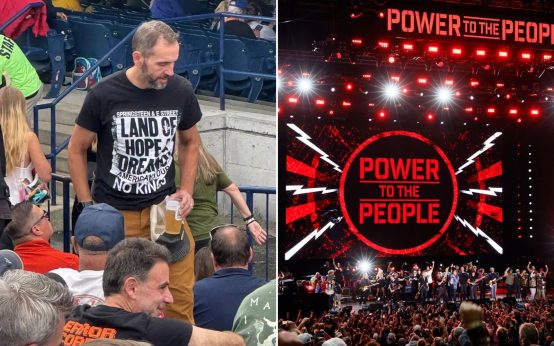 Former Special Counsel Jack Smith’s Notable Appearance at Music Festival
  Public Discontent with Trump’s Second Term
  The Ongoing Debate Over the Death Penalty: A Case in Tennessee