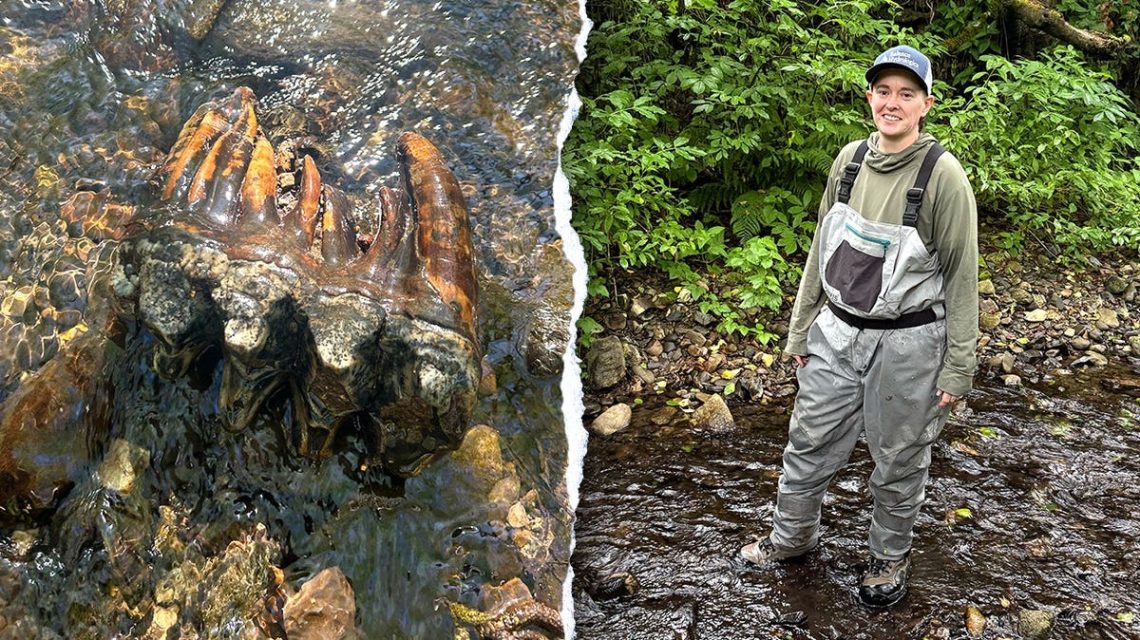
A remarkable scientific find occurred recently when a scientist in California discovered a tooth from a prehistoric mastodon. This ancient relic was found in a creek within a Midpeninsula Regional Open Space District preserve in San Mateo County.
Unearthing Ancient History
The unexpected discovery of the tooth was made by Brigid Lynch, a geomorphologist from Balance Hydrologics. Lynch was conducting a survey aimed at enhancing the habitat of the threatened California red-legged frog when she uncovered the mastodon tooth. Initially mistaking it for an unusually shaped rock, Lynch was surprised by the significance of her find.
Mastodons were large, elephant-like herbivores that roamed the earth until around 11,700 years ago. However, this particular molar is believed to date back between 50,000 and 100,000 years, according to Wayne Thompson, CEO of Pacific Paleontology. The tooth’s location and condition suggest it is substantially older than previously reported figures.
Significance and Preservation
“The roots are extremely fragile, and this one had the majority of the roots still preserved,” said Thompson. “It wasn’t tumbled around in the stream.”
The tooth’s impeccable preservation implies it did not experience much movement in the stream, indicating that more of the mastodon’s remains might still lie nearby. Thompson believes the entire skeleton may be buried at the site, suggesting more discoveries could be forthcoming.
Future Research and Implications
Researchers from Stanford University’s Doerr School of Sustainability plan to carbon date the molar to verify its age. Additionally, they intend to create a 3-D scan of the tooth to produce a replica for further study and preservation.
Mastodons were known to inhabit valleys with creeks and rivers, feeding on leaves from trees like alders, which continue to grow in the area where the tooth was found. This discovery not only offers insights into ancient ecosystems but also contributes valuable information to the study of Ice Age flora and fauna.
 Hurricane Formation and Strengthening
 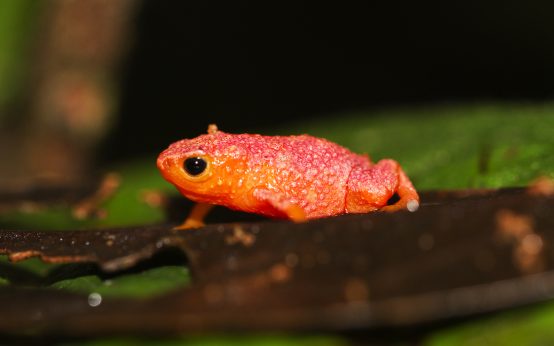 The Tiny World of the Pumpkin Toadlet
 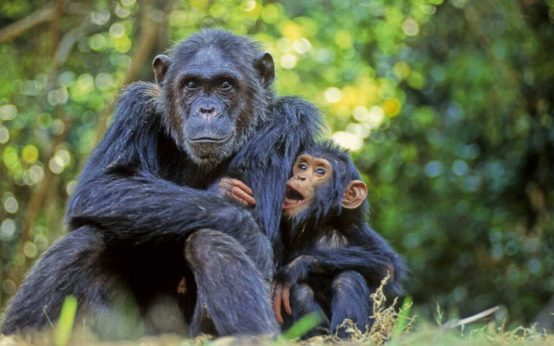 Chimps and Self-Medication: Insights from Gombe Stream
  Rovelli Challenges Physics with Relational View
 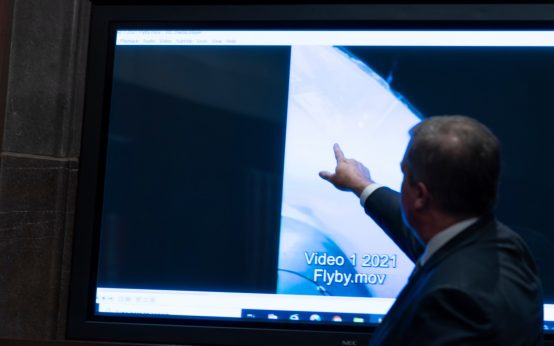 Legal Waiver for Sharing UAP Information Announced
  NASA Moves Upend Work on Space Projects at Goddard