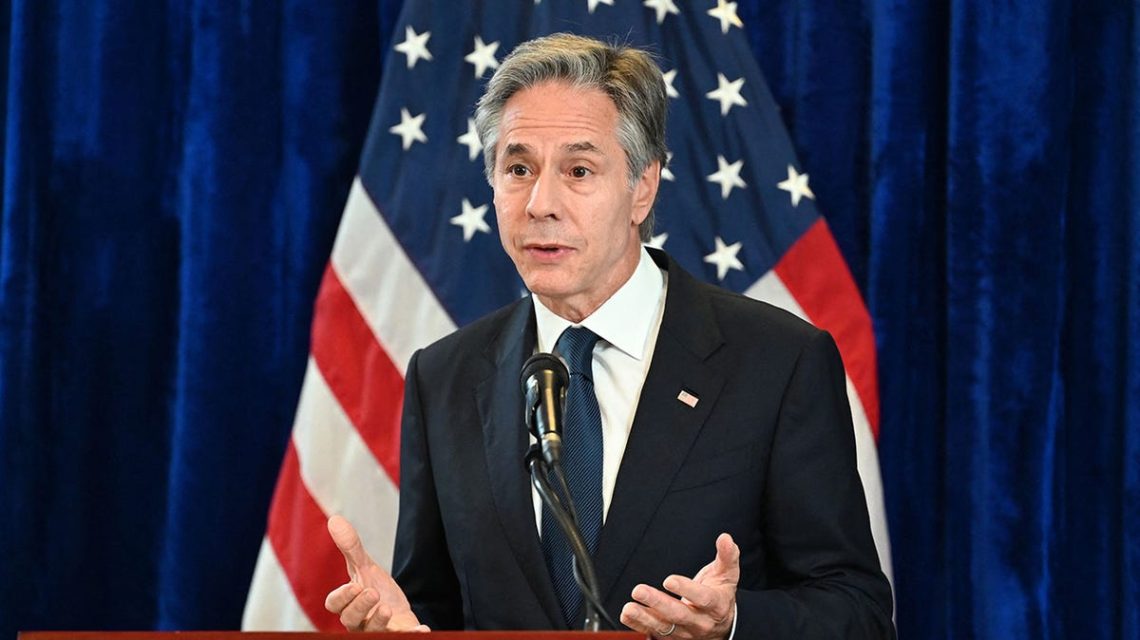
Former Secretary of State Antony Blinken has expressed concerns that airstrikes alone might not fully neutralize Iran’s weapon capabilities. At the 24th Hindustan Times Leadership Summit in New Delhi, Blinken suggested that a U.S. ground invasion could lead to disastrous outcomes. He noted Iran’s large territory and population of around 90 million as significant hurdles in any military campaign.
Blinken highlighted that Iran’s weapons are developed deep within the country, making them difficult to target exclusively through air campaigns. He emphasized the challenges of dismantling Iran’s arsenal without a ground invasion, which he stated would lead to severe consequences.
Blinken remarked, “The weapons that it continues to produce are back far enough, the range is great enough that you can’t just take everything out.”
Meanwhile, tension escalated as Iran claimed it launched six drones targeting a U.S. military site in Bahrain. These incidents were reportedly intercepted by Bahrain’s air defenses. The Islamic Revolutionary Guard Corps (IRGC) noted the attack was a response to perceived U.S. hostility.
In parallel, Iran’s actions in Yemen and Iraq are causing regional tensions to rise. Iran’s increased targeting of American forces and allies indicates its potential to widen the conflict, despite U.S. military superiority. Blinken pointed out Tehran’s ability to escalate horizontally by striking at American bases or infrastructure.
Blinken explained the strategic challenges involved with Iran’s coastal defenses and weapons facilities, which make conventional air strategies less viable. He cited the extensive coastline along the Strait of Hormuz as a logistical hurdle.
Reports suggest that Iraq is wary of becoming a staging ground for U.S. operations against Iran. Iraqi Prime Minister has reportedly discussed secret plans involving potential U.S. military action with political leaders, though this has led to diplomatic tension, as Iraq is keen to maintain peace with Iran.
In an interview, Iraqi Foreign Minister Fuad Hussein commented, “The current state of ‘no war and no peace’ is unsustainable.”
Hussein reiterated Iraq’s commitment to diplomatic solutions, engaging in dialogue with Iranian officials despite strained relations. He dismissed U.S. proposals to limit border crossings as unfeasible, citing them as punitive measures against Iraqis.
The broader context involves U.S. Central Command (CENTCOM) intensifying efforts to curb Iran’s weapons trade. Expanding Task Force Iron Gate, CENTCOM aims to block the smuggling of advanced weapon systems and related illicit trade through coordination with other U.S. agencies.
 Medvedev Warns of Potential Nuclear Strike Amid Rising Tensions
 Concert Evacuation Due to Unknown Substance at Don Toliver Event
 Global Events and Key Developments
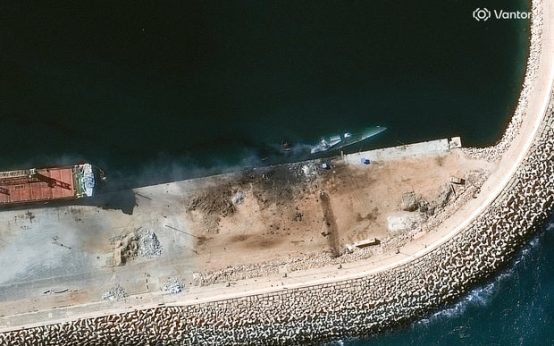 Ukraine Claims Responsibility for Attack on Russian Warship in Libya
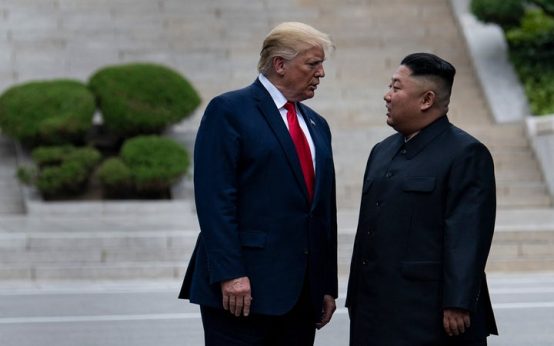 Trump’s Efforts to Connect with Kim Jong Un Face Challenges
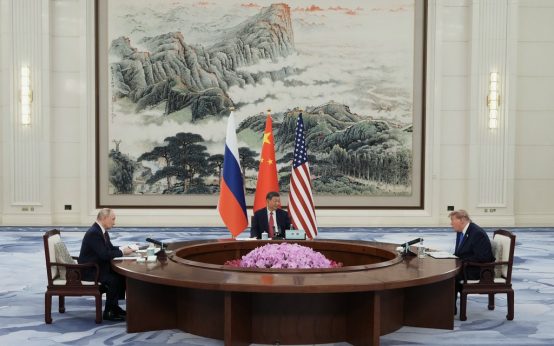 Nikki Haley Critiques Trump’s Summit with Putin and Xi