The war involving Iran and the U.S. military operation to capture Venezuelan President Nicolás Maduro has introduced a novel element: betting on outcomes of military actions. Over one billion dollars has been wagered online this year alone. Participants globally have placed bets on military decisions and their outcomes, akin to wagers on sports or entertainment events.
A new form of insider trading has emerged, where individuals use specific information to place bets on the timing and manner of attacks, as well as the destinies of leaders. This reflects a shift from traditional war profiteering.
Under cover of darkness, U.S. Special Operations forces captured President Maduro on January 3. Facing drug trafficking charges, he was transported to the U.S. His capture wasn’t the only concern raised. Army Master Sergeant Gannon Ken Van Dyke, involved in planning the Venezuela raid, was accused of using inside knowledge to profit from bets on the mission’s timing.
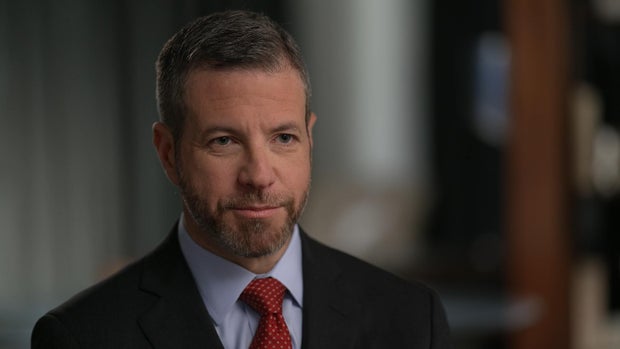
Rob Schwartz: If true, this constitutes a severe breach of trust, one of the most egregious I can recall.
Now a private attorney, Schwartz previously worked for the Commodity Futures Trading Commission, focusing on insider trading and fraud. Van Dyke allegedly placed bets totaling about $34,000, netting over $400,000. After withdrawing his gains, he attempted to erase his account from Polymarket, a significant prediction market, but pled not guilty. Polymarket claimed cooperation with authorities.
Schwartz noted that similar to corporate insider trading, using confidential information in prediction markets is equally culpable.
Prediction markets, including Polymarket, allow wagering on future occurrences, from sports outcomes to unconventional questions, like President Trump’s use of the word “trillion”. But betting on military events, including strikes and ceasefires, has gained recent interest. Despite prohibitions on military bets, digital bypasses are possible, illustrated by Van Dyke’s actions. These military bets often yield substantial returns.
Data from studies of Polymarket bets on military outcomes show long-shot wagers winning more than losing, suggesting systemic insider trading.
Jon Wertheim: Military bets have a 52% success rate, compared to sports wagers at 7%, indicating disproportionate outcomes.
Nicolas Vaiman and his analytics firm Bubblemaps identified suspicious clusters of trades, including a network of accounts winning nearly $2.4 million from U.S. military operations betting. Van Dyke’s gain pales in comparison to this 98% win rate.
This unprecedented pattern led analysts to consider insider information involving linked accounts making consistent winning bets around critical military events.
A former military officer, Deebs, emphasized the potential for insider data leakage via government officials, military planners, analysts, and even family members.
Traditional commodities markets also raise suspicions related to war-induced trading patterns. Former trader turned lawyer, David Kovel, identified questionable oil market trades made before diplomatic conversations between the U.S. and Iran were disclosed, amounting to tens of millions in unexpected profits.
Investigations are underway to determine if insider trading facilitated these trades, according to sources being probed by federal authorities.
Beyond market manipulations, media integrity is at risk. Journalist Emanuel Fabian received threats after reporting an Iranian missile strike near Jerusalem, which influenced Polymarket bets. Despite pressure, Fabian stood firm, though concerns persist about others potentially folding to financial pressure.
Polymarket’s response banned threatening accounts and reiterated their vigilance against suspicious activities.
The Commodity Futures Trading Commission (CFTC) aims to regulate prediction markets, now under Michael Selig’s leadership, though enforcement has declined amid staffing reductions. Efforts to counteract manipulation involve utilizing AI technology.
White House memos warn against utilizing non-public information in prediction markets, keeping officials alert to potential abuses.
Sources suggest that insider trading could escalate into national security issues, as adversaries might exploit trading patterns for strategic advantage.
The scope of insider trading investigations has expanded, as illustrated by a recent case against a Google engineer accused of profiteering from company details. Active prosecution efforts seek to address these far-reaching consequences.