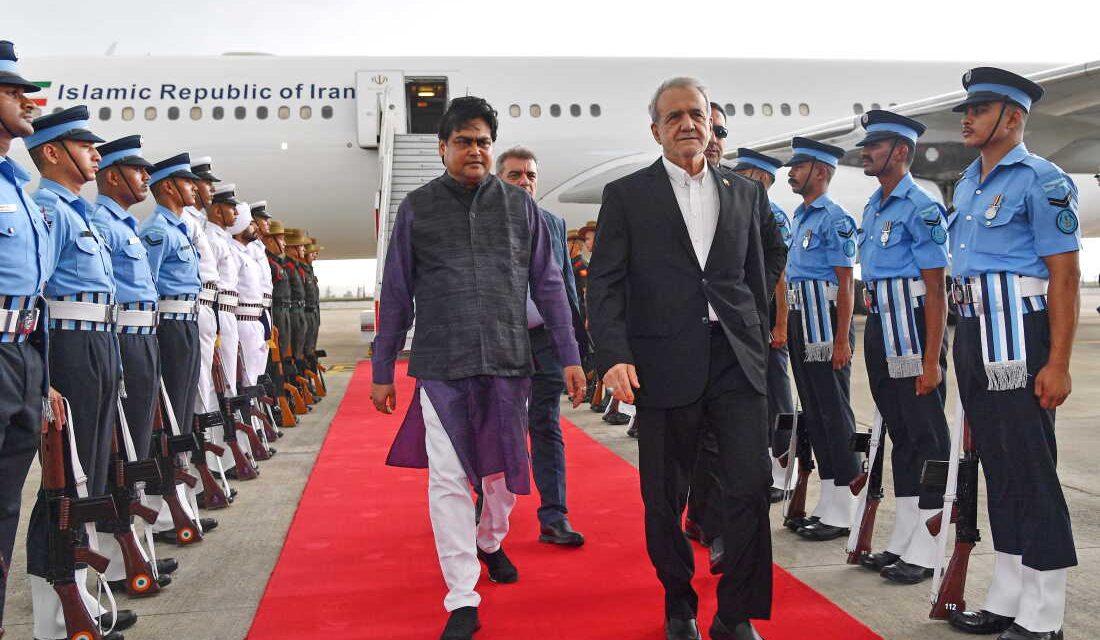
The BRICS summit is underway in New Delhi, focusing on trade, investment, and global conflicts. Leaders from BRICS nations are gathering to influence the global agenda for emerging economies. Indian Prime Minister Narendra Modi hosts key figures like Russian President Vladimir Putin and Chinese President Xi Jinping.
The summit occurs amid various geopolitical challenges, including conflicts in Ukraine and the Middle East, as well as U.S.-China tensions. Security in New Delhi is heightened with police and paramilitary forces ensuring safety around the venue.
BRICS Overview and Goals
BRICS, established in 2006 by Brazil, Russia, India, and China, expanded to include South Africa in 2010. The group, representing nearly half the world’s population, seeks greater roles for developing nations in global institutions. Key topics include economic cooperation, energy, food security, technology, and reducing dependency on the U.S. dollar.
Russia and China’s Perspective
For Russia and China, BRICS is a vehicle to counter Western influence. Putin emphasized cooperation, asserting the group isn’t aimed against others. Iran, facing Western sanctions, supports mechanisms to decrease reliance on Western financial systems. President Masoud Pezeshkian advocates for trade in national currencies within BRICS.
China’s involvement in BRICS is seen as an effort to strengthen its influence. Xi Jinping plans to address international challenges and enhance BRICS cooperation, as stated by the Chinese Foreign Ministry.
India’s Strategic Role
India aims to balance relations with Russia and Iran, while enhancing ties with the U.S. and Europe. Despite geopolitical challenges, New Delhi maintains connections with Moscow and Tehran, advocating for dialogue and diplomacy. Prior to the summit, Modi met leaders Putin and Pezeshkian separately.
India also seeks to improve its relationship with China. Modi and Xi are expected to discuss issues later in the summit, potentially easing past tensions from escalated border disputes in 2020. A unified statement from the summit remains a significant challenge, especially after past disagreements among BRICS members.
Conflict and Unity Challenges
The summit coincides with instability in the Middle East. Rising tensions between Saudi Arabia and Yemen’s Houthi rebels, following U.S.-Israeli actions against Iran, pose challenges to BRICS’ unity. Members face the test of navigating their differing stances on such conflicts while managing relations with global powers like the U.S.
 Democratic Voter Sentiments Ahead of Midterm Elections
  Wisconsin GOP Candidate Tom Tiffany Survives Plane Accident
  Wisconsin GOP Governor Candidate’s Emergency Plane Landing in Lake
  British Parliament Rejects Assisted Dying Bill
 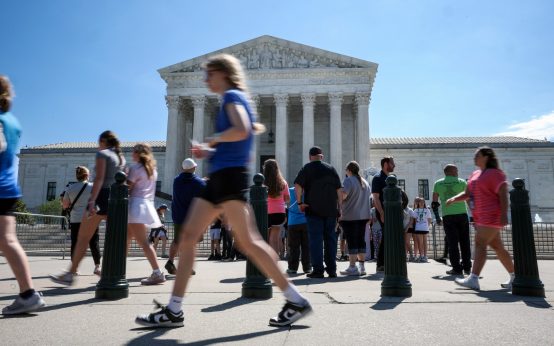 Supreme Court Blocks GOP’s Plan for Missouri Congressional Map
  Ken Paxton Faces Scrutiny in Senate Race