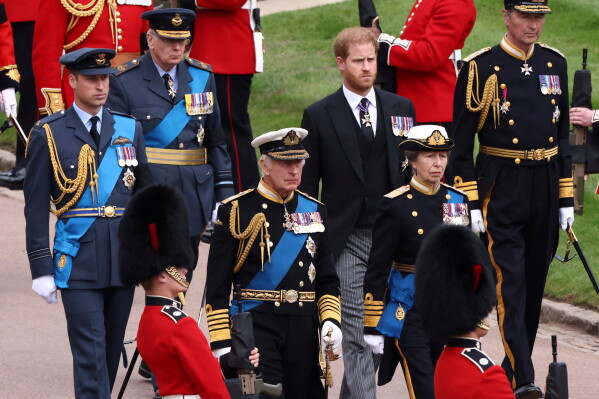
In San Juan, Puerto Rico, Caribbean leaders met with senior clergy from the Church of England as efforts for slavery reparations gained momentum. Activists are also advocating for the independence of British, French, Dutch, and U.S. territories in the region. Caricom’s reparations commission is set to meet British parliamentarians during a four-day trip to the UK, aiming to establish a framework for negotiations.
Hilary Beckles, chairman of Caricom’s reparations commission and vice chancellor of the University of the West Indies, emphasized the need to end colonial status in the Caribbean, describing the region as the most colonized part of the world.
Recent tensions have arisen after a UK lawmaker suggested former colonies should repay Britain for past investments. Beckles pointed out that at least 20 territories in the Caribbean have ties to Britain, France, the Netherlands, and the U.S.
Barbados’ ambassador to Caricom, David Comissiong, stressed the importance of recovering national sovereignty and self-determination as first steps in reparations. He described a meeting with senior clerics from the Church of England as productive and praised King Charles III for expressing sorrow over slavery’s enduring impact. Nevertheless, Comissiong criticized the UK’s abstention from a U.N. resolution declaring the trafficking of enslaved Africans as the gravest crime against humanity.
Although some European governments have offered gestures like apologies and memorials, Comissiong emphasized that these do not equate to negotiations. He highlighted the deep and consequential damage sustained from slavery that persists today.
Historical data shows an estimated 12 million Africans were forcefully transported by European nations from the 16th to the 19th century, enduring brutal conditions on plantations in the Caribbean and elsewhere.
During a London press conference, commission members addressed whether rules would be published for who should receive reparations, a question that remains unresolved for the Caribbean. However, Ron Daniels from the National African-American Reparations Commission noted that discussions in the U.S. focus on land, economic development, and restoration of infrastructure.
Caricom leaders continue to seek a formal apology, educational and public health advancements, development programs for Indigenous peoples, debt cancellations, and monetary compensations.
In September, Jamaica’s government is expected to formally request King Charles III to refer legal questions regarding slavery reparations to the Privy Council, the island’s final court of appeal.
 Venezuelan Leadership at the United Nations
 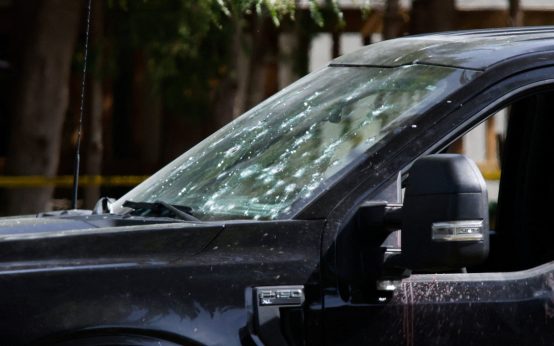 Ontario Synagogue Shooting During Yom Kippur Leaves One Officer and Shooter Injured
 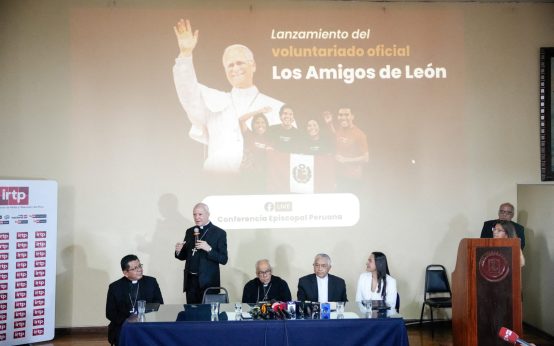 Pope Leo XIV’s Upcoming Visit to Latin America: An Overview
 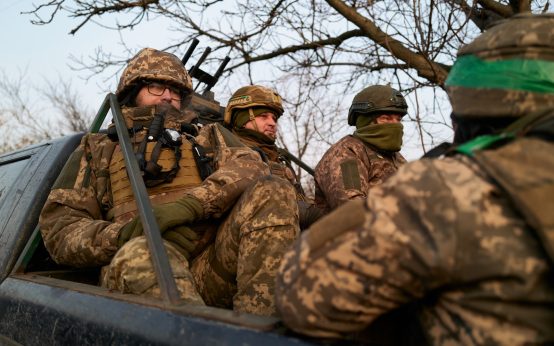 Ukraine Deploys Ground Robots in ‘Operation Vivaldi’
  Understanding AI’s Impact Compared to Historical Threats
  State Department Alerts on Middle East Travel Amid Rising Tensions