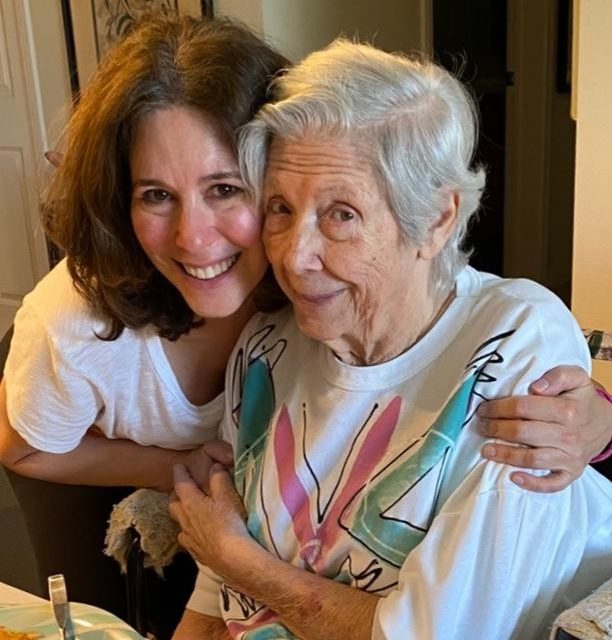
Listening to my mother express her fears about living in a haunted house was unsettling. She couldn’t recall turning on the TV and felt unnerved by the artwork that once adorned her home. Occasionally, she feared her trusted nurse intended harm. The woman who chased away my childhood fears now needed my help to confront her own. Navigating her stroke and lung cancer diagnoses felt overwhelming, but Alzheimer’s pushed us to our limits.
“Will Grandma remember me?” my 26-year-old daughter questioned concerning her 87-year-old grandmother. My sister and I alternated visits every two weeks to assist our mom with her mail, bills, groceries, doctor’s appointments, and wheelchair repairs, before she took her afternoon nap. Each visit felt like my mother was slipping further away.
With each encounter, the challenges increased. “I don’t want to do the bills now,” she often said, daunted by the pile before her, yet resistant to letting me handle them alone. I completed some tasks before leaving, leaving us both drained and me near tears, trying to muster patience. Our relationship wasn’t always easy, but she truly meant it when she expressed love. That gave solace, providing a clear sense of where I stood.
Two Mother’s Days ago, she was sharp, feisty, and unfiltered, often making entertaining comments. Her favorite quips included: “She’s not the sharpest pencil,” “He likes hearing his own voice,” and “She’s lost her virginity more times than she can count.” We laughed at the thought Alzheimer’s wouldn’t affect her. But we underestimated its impact.
During COVID’s isolating period, Alzheimer’s advanced rapidly. Restrictions blocked visits, shielding my adult children from witnessing their grandmother’s decline. She disliked video calls, struggling with faces on a phone.
I discovered what worked through trial and error. “Sundowning,” striking late afternoon or evening, was tough. It brought confusion and disorientation causing her fear and irritation. Reasoning or correcting her escalated her distress. Once, she angrily accused me of excluding her from Thanksgiving dinner, in April. Attempting to explain, I provoked her anger. I wound up begging forgiveness for something not my fault. Afterward, I scheduled calls before noon.
As I adapted, I sought online guidance. The Alzheimer’s Association describes the disease as a blackboard where life stories erase from present backward. Witnessing it in real-time, I learned to meet my mom at her reality.
Approaching her too quickly frightened her, so I patiently walked with eye contact, saying “Hi Mom, it’s your daughter, Linda.” Short sentences proved effective. Familiar routines helped. Sometimes, we’d sit together looking through old photos.
Music was her favorite comfort. Barbara Streisand and the Bee Gees on her CD player brought clarity from past memories, transcending the present room.
With her speech fading, I realized she appreciated my presence despite losing words. Her tone of voice mattered more than sentences.
On my birthday, her caregiver placed “Happy Birthday” signs on her mirror and reintroduced me with each visit. Those days, my mom studied my face, trying hard to remember.
A YouTube video taught me that love remains, even if memory fades. A daughter lying beside her mother asked if she knew her. The mother replied, “I don’t know who you are, but I know that I love you.” That sentiment guided me. Love was what mattered most.
Since my mom passed, I dream of her often. She’s youthful in my dreams. Her dark hair glossy, brown eyes clear, voice vibrant. Alzheimer’s clouded her memory, but in dreams, everything about her—including her love—is intact.
Linda Wolff, based in Los Angeles, writes essays and humor pieces appearing in The Boston Globe, The Washington Post, Los Angeles Times, and more. Follow her on Instagram @carpoolgoddess, when she’s not with her Goldendoodle.
All views expressed are the author’s own.
Have a personal essay for Newsweek? Send it to [email protected].
 Girl Scout Troop Establishes Pet Pantry at Portage’s Woodland Park
  Life at Kasimedu Fishing Harbour: A Glimpse into the Daily Struggles and Triumphs
  Diary of a Senior: Letting Go of Old Habits
  Maryland Couple Charged After Infant’s Death
  Moose Hunter Survives Brown Bear Attack in Alaska
  Addressing Homelessness Through Prevention