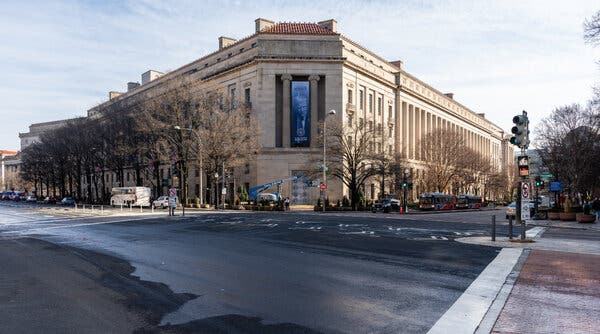
Grand juries serve as a vital component of the criminal justice system, functioning as a confidential arena where prosecutors possess substantial authority to seek indictments. However, the Justice Department under President Trump has encountered significant hurdles in gaining grand jury indictments, a problem that would have seemed unlikely a year ago.
Recent months have seen a pattern wherein prosecutors fail to convince grand juries that their cases justify criminal charges. This has raised eyebrows, especially since federal judges have reprimanded the prosecutors at least three times for misconduct since last November.
The latest incident occurred in Chicago, where Judge April M. Perry identified a series of errors by the grand jury as grounds for dropping charges against four Democratic activists. These activists were accused of hindering the police during a protest at a suburban immigration detention center last fall.
The prosecutors were alleged to have breached protocol by speaking to grand jurors outside the designated room, coached the jurors improperly, and removed some jurors from the panel who voted against them in earlier stages. They even attempted to conceal their actions by redacting transcripts until the judge demanded complete versions.
This pattern of malpractice contributes to a growing sense of distrust among judges and grand juries towards the Justice Department. There is concern that the department is being used for personal motives, creating an environment where prosecutors face increasing challenges in securing indictments.
 Christa Pike Moved to Rehabilitation Center After Surviving Execution Attempt
  Ohio Dog Park Shooting Incident Sparks Legal Debate on Self-Defense Claims
 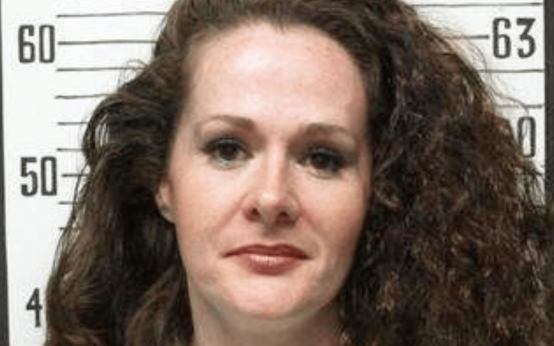 The Ethical and Practical Challenges of Lethal Injection Procedures
 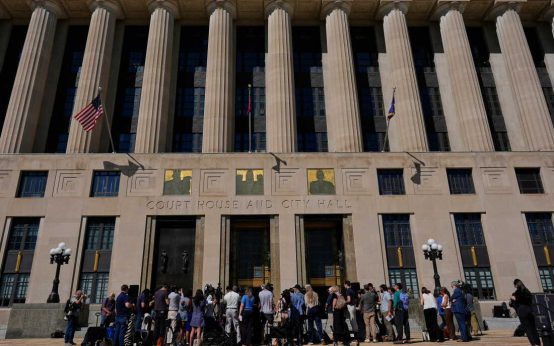 Failed Execution of Christa Pike Sparks Debate and Legal Questions
  Ex-CIA Official Guilty of Fraud and Abuse
  Inquiry Requested into DOJ’s Case Against Former Olympian