The WNBA recently found itself embroiled in controversy over a fundamental question: What is a woman? This question gained prominence following comments by Indiana Fever’s Sophie Cunningham about protecting women’s sports. Her remarks came amidst plans by former NBA players Enes Kanter Freedom and Royce White to enter the 2027 WNBA Draft. The league’s response was to blame outside “hate and vitriol” and schedule more meetings, as reported by Dan Dakich on ‘Don’t @ Me’.
The WNBA has garnered attention in recent years, largely due to Caitlin Clark, who has significantly increased ratings and attendance. This rise in popularity resulted in better salaries and travel benefits for players. However, there is dissatisfaction within the league towards this success, particularly related to Cunningham’s stance on male athletes in women’s sports.
Backlash Against Sophie Cunningham
Cunningham faced criticism for her public support of excluding male athletes from women’s sports, a sentiment shared by 80%-90% of Americans but not by league members. The backlash included boos, protests, and critical comments from other players. Opposing coaches have even worn t-shirts targeting her, and her own coach defended DiJonai Carrington after an aggressive encounter.
Additionally, the WNBA subreddit banned posts about Cunningham’s name. This decision dismayed some fans, who were told by moderators that discussions about her often attracted trolls. Despite the backlash, Cunningham remains a player with actual fans, raising questions about the league’s approach to community engagement.
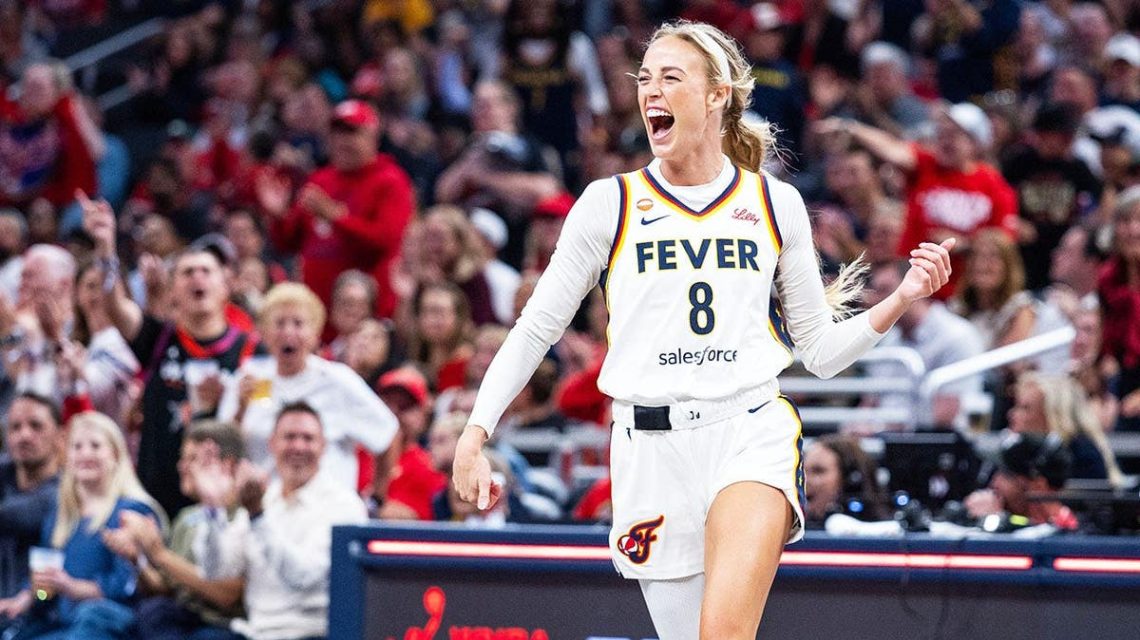
Indiana Fever guard Sophie Cunningham celebrated a three-point basket on August 11, 2026, at Gainbridge Fieldhouse in Indianapolis. Her actions and statements have highlighted the ongoing challenges the WNBA faces in balancing activism and sports.
League’s Focus and Fan Engagement
The WNBA’s focus appears to be on activism rather than celebrating and promoting its players. New fans have been drawn in by Clark’s performance and Cunningham’s presence, increasing the league’s profile. However, the organization’s strategies seem to undermine this interest.
Critics argue that the league’s disconnect from its audience and its disregard for popular players could alienate new fans. The WNBA needs to recognize and support its rising stars to maintain its growth and ensure its sustainability.
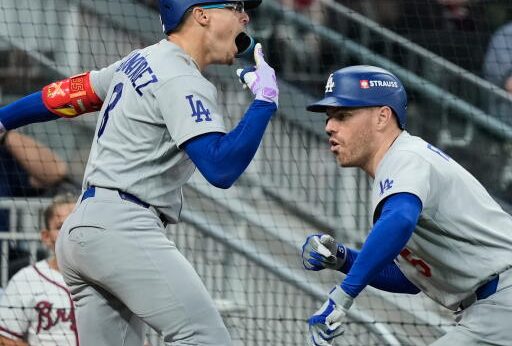 Dodgers Take Lead in NLDS Game 3 Against Braves
 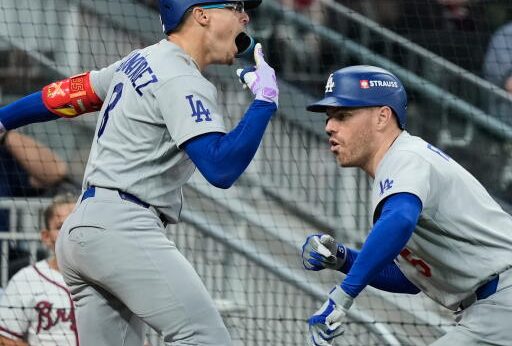 Dodgers vs. Braves Game 3 NLDS Live Updates
 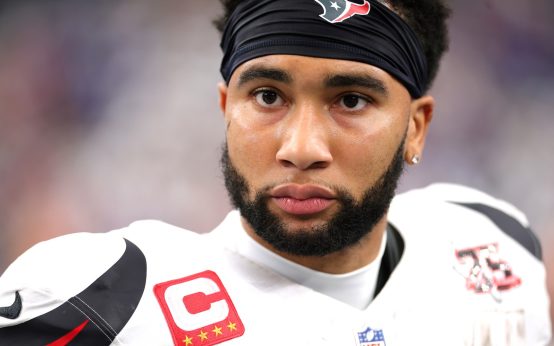 Evaluating C.J. Stroud’s Performance Amid Houston Texans’ Struggles
 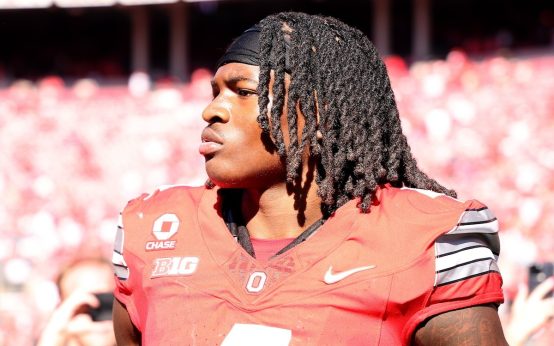 Jeremiah Smith Proven Ohio State Star
 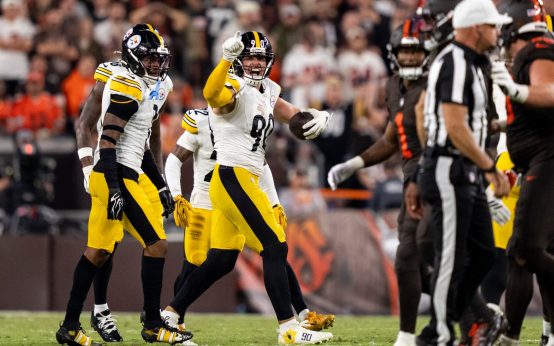 Former Steelers QB Defends TJ Watt’s Sideline Outburst
 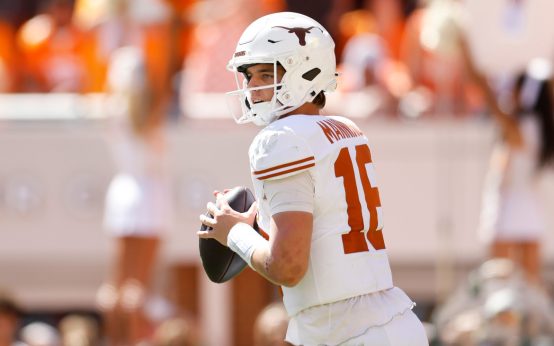 Arch Manning’s Declining Draft Prospects Amid Texas Longhorns’ Success