
On the campaign trail last year, Zohran Mamdani showed strong support for a city council bill aimed at offering a $10,000 supplement to school paraprofessionals. These non-teacher school aides play a crucial role, yet there has been a significant shortage in such positions. The bill was designed to help resolve this issue by providing incentives for the 2026–2027 school year.
Despite prior support, the mayor now faces a legal challenge, as he is suing to stop a law he once backed as a candidate. This conflict highlights ongoing complexities in urban policy and the difficulties in delivering promised solutions. Multiple factors contribute to the shortage of paraprofessionals, and monetary supplements alone may not suffice. Compounding problems like soaring expenses and logistical obstacles further impede progress.
Students and school systems rely heavily on paraprofessionals for effective daily operations. Their absence can disrupt educational environments, leading to a rise in associated costs and a decline in the quality of education delivered. While financial supplements acknowledge the vital role paraprofessionals serve, additional strategies are necessary to address underlying shortages effectively.
The issue reflects broader challenges in public policy planning and execution, requiring innovative solutions beyond financial adjustments alone.
Crafting policies that account for economic conditions while ensuring sustainable employment practices remains essential. Engaging stakeholders and exploring alternative strategies may offer more comprehensive remedies to the current situation.
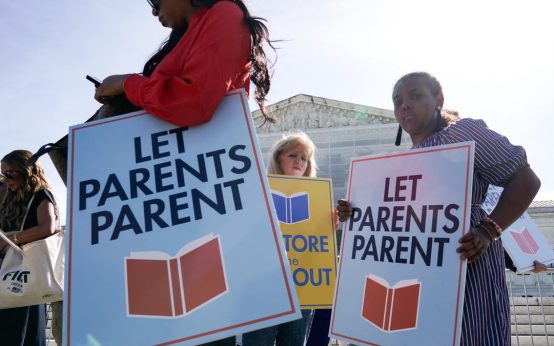 Lawsuit Filed Against New Jersey School District Over Gender Identity Policy
  Trump Administration Shifts Education Policy, Targets Race-Based Programs
  Addressing AI in Education: Understanding Its Role and Limitations
  Challenges with the RESPECT Check Act in Addressing Paraprofessional Shortages
  Trump Administration Targets Diversity Programs with New Tax Rule
  City Council’s RESPECT Check Act Faces Challenges