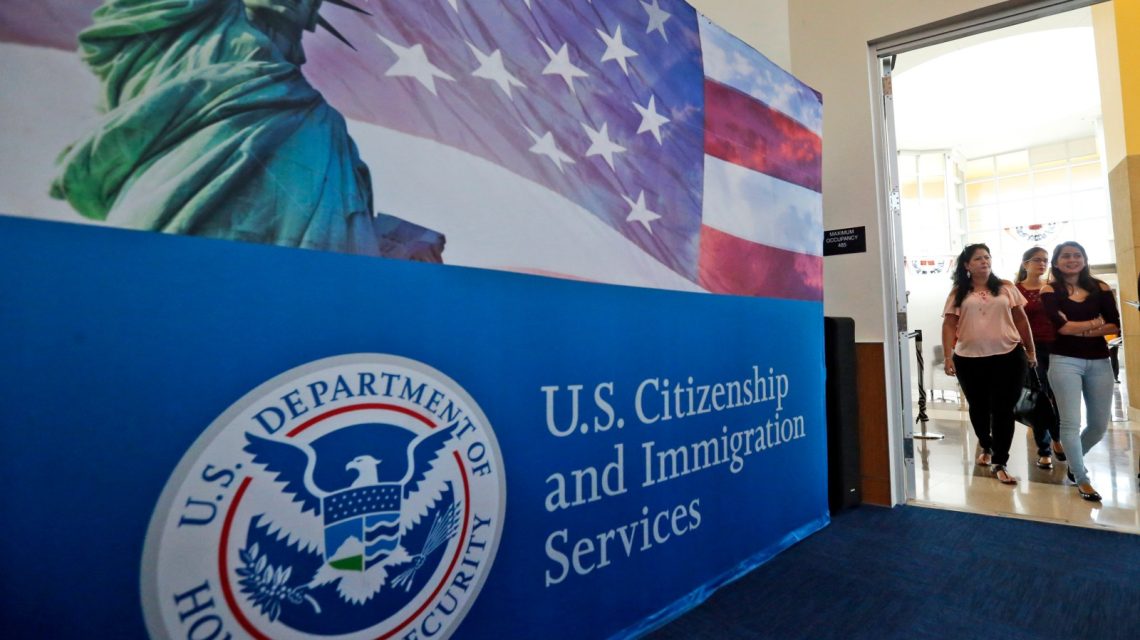
The Trump administration is pushing a proposal to eliminate the 60-day grace period for H-1B visa holders and other foreign workers who lose their jobs in the United States. This change threatens to limit options for these workers to maintain legal status post-layoff.
The Department of Homeland Security (DHS) has forwarded the proposal to the White House for regulatory review, as recorded in a federal government filing. If the proposal gains approval, the safeguard that has been in place since 2017 will be revoked.
Current Law and Proposed Changes
Currently, workers on employment-based visas can stay in the U.S. for up to 60 days following termination, providing time to find a new employer, explore a different immigration status, or make arrangements to leave the country. The proposal suggests removing this 60-day period, potentially accelerating the timeline for losing legal status after layoffs.
Who Is Affected?
The grace period applies to various employment-based visa holders, such as those on H-1B, H-1B1, L-1, O-1, TN, E-1, E-2, and E-3 visas. According to immigration-policy group FWD.us, about 730,000 H-1B visa holders and approximately 550,000 dependent family members reside in the U.S., highlighting the broad impact changes could have.
H-1B Visa Adjustments
The Trump administration has been actively trying to modify the H-1B visa system by increasing expenses for companies hiring foreign workers, tightening eligibility criteria, and altering visa allocation methods. One such plan included a blocked $100,000 fee on specific new H-1B petitions for overseas workers. Additionally, the administration supports revamping the H-1B lottery to prioritize higher-paid workers. More recently, DHS finalized a rule to extend current biometric screening fees ranging from $4,000-$4,500 to certain H-1B and L-1 visa extensions, thus increasing employer costs.
The proposal remains under evaluation and has not been publicly released. The 60-day grace period continues in the interim as the rulemaking process unfolds. The full proposal details will be disclosed after publication in the Federal Register, followed by an open period for public commentary before a final decision ensues.
Historical Context of the Grace Period
The grace period was established towards the end of the Obama administration in 2017 to grant flexibility to highly skilled foreign workers confronting the challenges of job losses.
Implications for H-1B Workers
For H-1B workers, job acquisition post-layoff is just the beginning. A new employer must also consent to sponsor the worker and submit the requisite immigration documentation. With no grace period, time constraints on these processes could intensify.
Future Steps
Without the 60-day extension, affected individuals might face increased urgency to promptly obtain a new sponsor, secure a different immigration status, or leave the United States to avoid falling out of status. The review process continues, maintaining the current grace period until the rulemaking procedure is finalized and a conclusive rule is enforced.
 News Highlights: Guilfoyle Scandal, Turek vs. Hinson, Trump Heads to Alaska
  Katie Zacharia’s First Briefing as Press Secretary
  Key Supreme Court Cases to Watch
  Initiative for Safe Integration of Psychedelic Therapies
  Addressing Congressional Overspending: A Call for Reform
  White House Confirms Kimberly Guilfoyle’s Resignation as Greece Ambassador