
The Trump administration is aiming to deport Blerim Skoro, a self-identified CIA informant who infiltrated al Qaeda following the 9/11 attacks. Skoro, a Kosovo-born cab driver with three children, assisted in securing convictions for terrorists and was initially granted permission to reside in the U.S. He was arrested by Immigration and Customs Enforcement agents outside a New Jersey immigration office while renewing his residency documentation.
Skoro’s attorneys have filed a federal court motion to prevent his deportation. The 55-year-old was promised residency for his contributions as a “CIA agent,” according to his lawyers. He received a removal deferral in 2022, due to the potential risk of torture if deported to Kosovo. This decision was influenced by Skoro’s role in capturing members of al Qaeda, al Shabaab, and Hezbollah.
“I never thought they were going to betray me like this,” Skoro told CBS News from the Elizabeth Detention Center in New Jersey. “Please, if I die, I should die in this country so my kids can bury me.”
The relationship between Skoro and U.S. intelligence began in 2000 when he was imprisoned for drug trafficking. He became a confidential informant while incarcerated and provided intelligence on terrorists, including members of America’s first homegrown sleeper cell. Despite this, he was deported to Kosovo in 2007 but claims he continued undercover work for the CIA in the terrorist group until 2009. He returned to the U.S. in 2014.
Skoro asserts he played a part in arresting Brooklyn terrorist Betim Kaziu. Correspondence between Skoro and a man he claims was his CIA handler, “Chris,” allegedly supports his involvement in Kaziu’s arrest.
His attorney, Joshua Dratel, stated that Skoro lived a law-abiding life upon returning to the U.S., helping intelligence agencies for almost a decade. Skoro’s wife, Susan, was present when ICE apprehended him, and she expressed her disappointment over the government’s actions.
Skoro initially arrived in America in 1994 after deserting the Yugoslav Army. His life as an informant reportedly led to an assassination attempt and leg injury in Kosovo, prompting an illegal reentry to the U.S. via Canada in 2014. Skoro’s immigration battle began after a 2016 arrest for misuse of a student transit card.
In 2022, a judge prohibited Skoro’s deportation due to the risk of harm, though legal residency remains ungranted. ICE has been criticized for attempting deportations without judicial approval, as seen in a recent case involving Mexican nationals. Skoro’s habeas corpus petition demands ICE comply with the legal process.
The case highlights whether ICE can detain and deport noncitizens granted protection under the Convention Against Torture. U.S. District Judge Robert Kirsch has required a governmental response by Thursday. Agencies including the CIA and FBI declined comment.
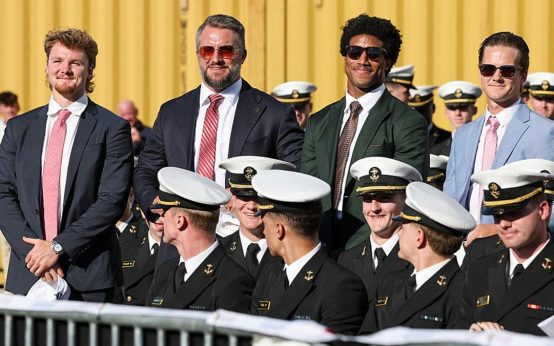 Trump Highlights Ravens During Industrial Site Visit
 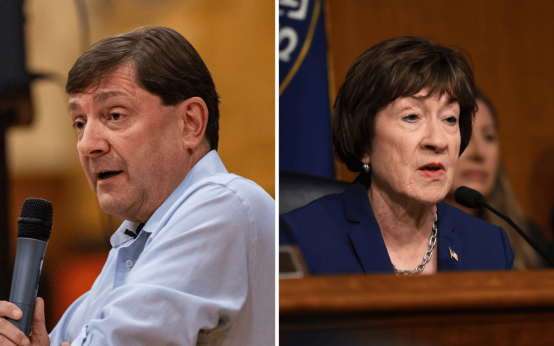 Collins vs. Jackson: Maine Senate Debate Highlights
  Sen. John Curtis Calls for Hearings Involving Donald Trump Jr. and Hunter Biden
 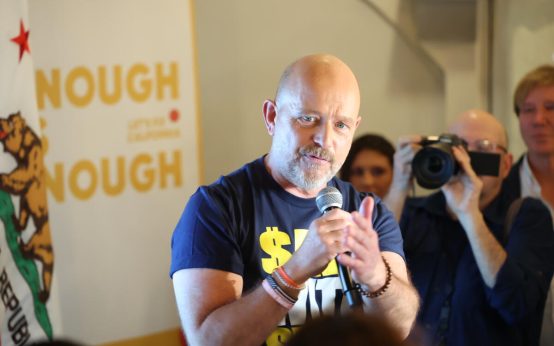 Understanding Immigration and Identity in California Politics
 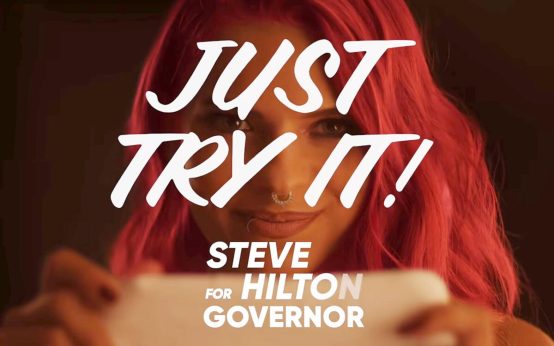 Republican Steve Hilton’s Unconventional Campaign for California Governor
  Race for Kane County Board District 3: Candidates Address Key Issues