
David Walker, cofounder and CEO of the AI startup Spara, emphasizes the importance of hiring in shaping company culture. Walker, who leads a team that creates agents for sales teams, learned the significance of hiring firsthand when he had to let go of two high-performing employees at a previous venture. These employees, despite their capabilities, contradicted the collaborative culture he aimed to establish. Walker noted these individuals often tried to outsmart their colleagues instead of working together, which led to a detrimental atmosphere. His decision to part ways with them, though difficult, was supported by feedback from over a dozen colleagues who felt it was the correct move. He observed a positive shift in company morale and an increase in job candidate referrals soon after. Walker’s only regret was delaying the decision for months.
Walker suggests that creating culture begins with hiring the right people. He found that culture derives not from office amenities, but from how employees treat each other. For Walker, ideal hires are those who elevate their colleagues instead of competing against them. This philosophy is illustrated by a worker who credits peers for shared project success during meetings. In Walker’s view, real collaboration comes from those who encourage and utilize each other’s ideas, rather than perceiving them as threats.
The CEO also stresses the need for employees to challenge leadership. He believes experts in their field should feel confident questioning his decisions. To foster this environment, Walker practices a method suggested by a colleague: he explains his decision-making process, inviting others to understand, question, and learn from it. He views his leadership role as defining communication and decision-making within the company. Saying ‘no’ to experienced team members was initially a challenge for Walker, but explaining his decisions made it easier. This clear communication cultivates an environment where disagreeing and committing is standard.
Walker advocates for planning evaluations after decisions to assess effectiveness. This approach avoids stagnation, allowing the company to pivot smoothly if necessary. As an example, after implementing a decision, they might analyze sales call recordings to gauge its impact. He insists that indecision is the biggest adversary to building a company, and timely, clear decision-making is key to progress.
 Understanding Pet Insurance: Costs, Coverage, and Considerations
 PwC to Certify Employees in Critical Thinking Amid AI Advancements
 Elizabeth Warren’s Return to Senate Banking Could Shake the Crypto World
 The Emotional Capacity of Machines
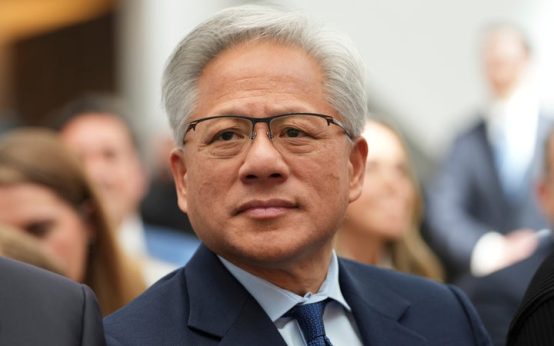 Nvidia Faces Challenges Amidst CEO Investigation
 Guide to Choosing a Mobile Hotspot