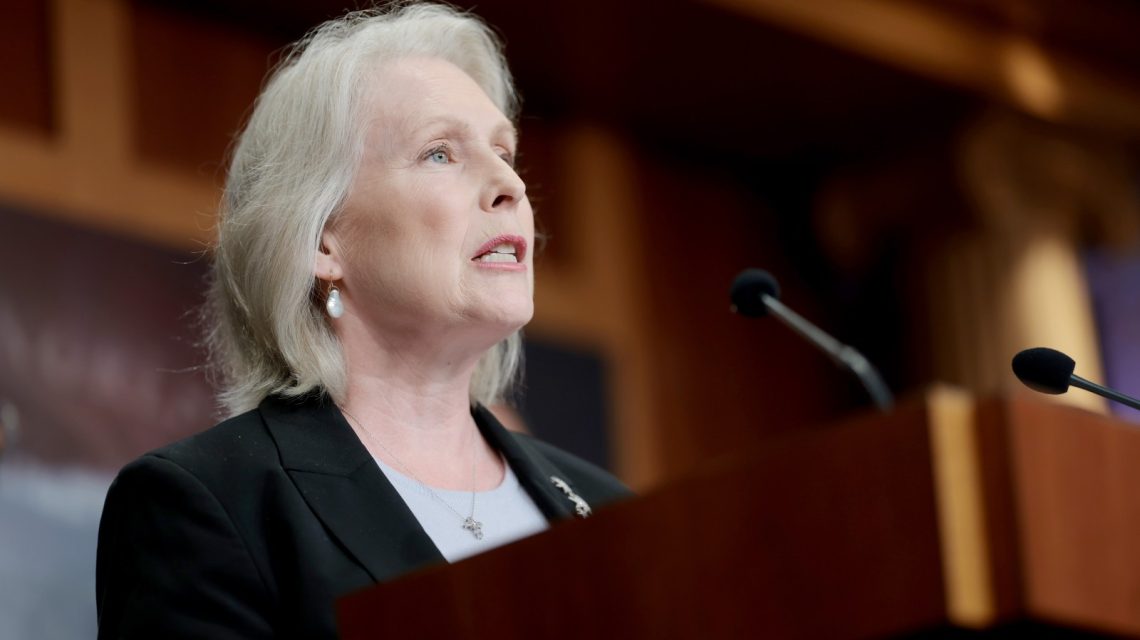
Millions of seniors might see an increase in prescription drug costs. The Trump administration plans to end a Medicare subsidy program earlier than expected, prompting Democratic leaders to urge a reversal. New York Governor Kathy Hochul and Senator Kirsten Gillibrand criticized the decision to cut short the Medicare Part D Premium Stabilization Demonstration Program by the end of 2026.
Gillibrand cautioned that this move might lead to a 40% rise in Medicare Part D premiums. Hochul noted that the change puts more financial pressure on seniors, who are already dealing with high costs. Hochul stated, “While Republicans in Washington are intent on making life more difficult and expensive, I am committed to helping seniors and saving money for New Yorkers.”
Why It Matters
Medicare Part D provides prescription drug coverage for millions of Americans, including seniors and individuals with disabilities. The Part D Premium Stabilization Demonstration Program began in 2024 to mitigate premium hikes and reduce the impact of changes to Medicare under the Inflation Reduction Act. Democrats argue that ending these subsidies will increase costs for seniors. However, the Centers for Medicare & Medicaid Services (CMS) maintains that the program was always meant to be temporary, as insurers now have sufficient experience to price their plans accurately.
What to Know
Recently, the Trump administration declared that the Part D Premium Stabilization Demonstration Program will conclude on December 31, 2026, a year earlier than planned. Hochul’s office claims that approximately 1.3 million seniors in New York could be affected by the decision. Gillibrand contends that the program has effectively reduced costs, and ending it could significantly increase premiums. “This administration funds abroad initiatives but neglects our seniors at home,” Gillibrand remarked. “This goes against our values and is unacceptable.”
Nationwide, 25 million Americans are covered by standalone Medicare Part D plans, but it’s unclear how many might face higher premiums. “Many Medicare beneficiaries are likely to see higher premiums, though exact amounts await insurers’ final pricing,” commented Kevin Thompson from 9i Capital Group to Newsweek.
“CMS created the program to lower Part D premiums with government subsidies, allowing seniors to pay less than the actual cost,” Thompson further explained.
What CMS Says
The Trump administration has justified the decision, saying the Part D market is now stable and doesn’t require federal subsidies. “We are stabilizing the market, and this bailout is unnecessary. Premiums will increase by less than $10 for most Medicare recipients, with some even seeing decreases,” CMS Administrator Dr. Mehmet Oz shared on X.
A CMS spokesperson told Yahoo News that the demonstration program was meant as a temporary solution to market instability. “The Part D market stabilizes following disruptions due to the Inflation Reduction Act redesign for 2024, 2025, and 2026,” the spokesperson said. “Outside concerns lack plan bid information, but our data shows stable plan bids.”
What Happens Next
The subsidy program is set to expire on December 31, 2026. Without a reversal or Congressional action, Medicare beneficiaries will choose 2027 plans without temporary federal support. “Beneficiaries could reduce or avoid increases by comparing plans during Open Enrollment instead of automatically renewing,” advised Alex Beene, a financial literacy instructor at the University of Tennessee at Martin, to Newsweek.
“The silver lining is Medicare’s new era of drug-price negotiations and annual savings caps,” Beene added. “Beneficiaries must pay attention to plan selection annually.”
 Addressing the Complex Issue of Suicide and Its Prevention
  Trump and NYC Mayor Mamdani: Political Divides and Collaborative Efforts
  Rep. Jared Golden Endorses Mike Lawler for Reelection
  Seattle Protects Nonmonogamous Relationships from Discrimination
  Democratic Lawmakers Criticize Trump’s $5,000 Payout Promise
  Judge Assigned to White House Press Access Case