
Carlitos Ricardo Parias, detained at the Adelanto ICE Processing Center, expressed concerns about water quality. In a video call, he showed his family a plastic bottle of water filled with creatures resembling worms.
His attorney, Carlos Jurado, shared the video, saying such conditions are unacceptable. Juardo remarked that nobody should consume water like that. The Department of Homeland Security (DHS) refuted these claims, asserting that the facility’s water source is the same as that used by residents and businesses around Adelanto. According to DHS, both staff and detainees have round-the-clock access to water from fountains and coolers.
The department added that detainees receive appropriate meals, water, medical attention, and can communicate with family and legal representatives. Despite a recent federal order to improve drinking water, food, and medical care, complaints persist among detainees.
“We’ve received reports of ongoing violations of the court order,” said Carl Bergquist of the Coalition for Humane Immigrant Rights Los Angeles (CHIRLA).
CHIRLA is among several plaintiffs in a civil lawsuit against DHS and U.S. Immigration and Customs Enforcement concerning conditions at Adelanto. Detainees have begun hunger strikes to protest subpar conditions. Recently, U.S. District Judge Sunshine S. Sykes ordered improvements at the facility. Sykes banned placing detainees in segregation unless necessary for security or requested by the detainee.
The order required DHS to create a remedial plan for medical care and disability accommodations, to be filed within two weeks. Two independent third-party monitors would ensure compliance—one for medical care and another for general conditions. ICE met some requirements but has yet to resolve immediate issues like water and food quality or sanitation.
The federal government seeks to pause the ruling pending an appeal. Parias, himself a TikTok streamer, was shot by federal agents last year. He claims conditions remain poor, noting unclean floors and dining areas.
He described how they discovered worm-like creatures in water coolers, a vital resource for 80 detainees used for drinking and cooking. Larry Aguilar, another detainee, explained how the water situation came to light.
Despite the court order, Aguilar echoed that conditions have not improved. Meals remain unsatisfactory, and detainees feel mistreated during family visits. He also mentioned that they have been restricted to an enclosed courtyard, without explanation, for two months.
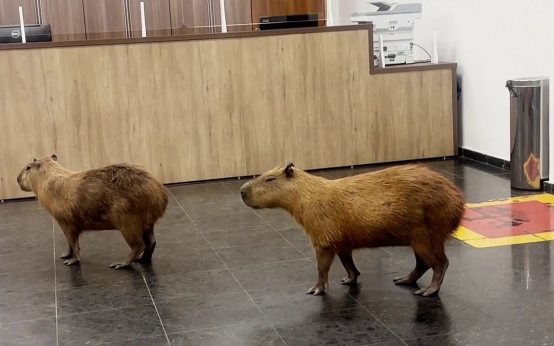 Capybaras Visit Brazilian State Legislature
 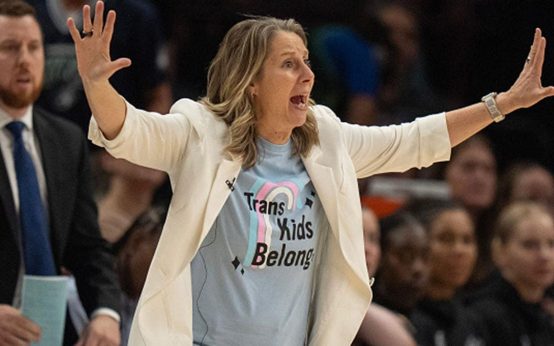 Stephen A. Smith Criticizes Cheryl Reeve’s Activism
  Economic Insecurities and Their Impact on Maternal Health
 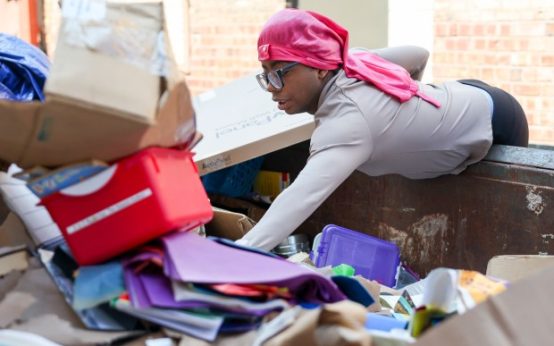 Daycare Owner Finds Vital School Supplies in Discarded Dumpster
 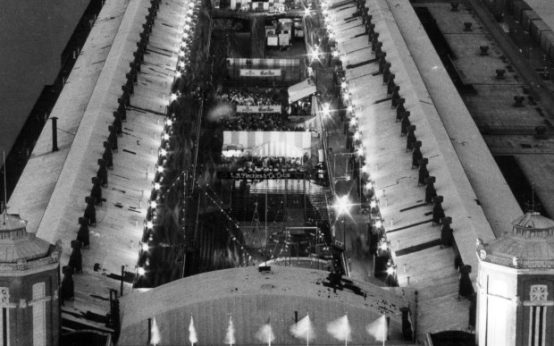 A Glimpse into Chicago’s Historic Events on August 4
 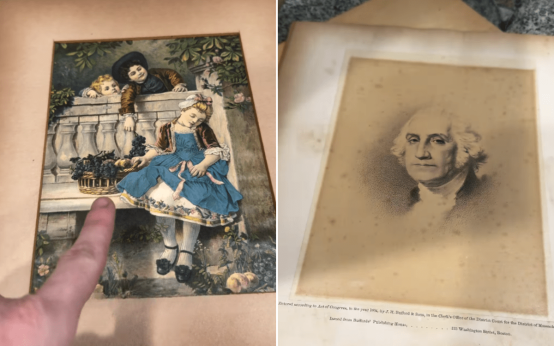 Thrift Store Find Leads to Civil War-Era Discovery