
At President Vladimir V. Putin’s annual economic conference, tensions between Russia’s approach towards the West were evident. While some powerful Russians avoid Western ties, others aim to restore relations and engage with friendly Western entities.
In the early days of President Trump’s second term, Russian elites hoped for a significant reset in relations, anticipating lucrative business engagements and sidelining the conflict in Ukraine. However, over 16 months have passed, and the only agreement within this period is a hockey match between Russian and American players in Moscow, scheduled for July 1. This announcement came at Putin’s flagship economic forum in St. Petersburg.
Since the 2022 invasion of Ukraine, Russia has used this forum to demonstrate its resilience against Western sanctions by relying more on domestic resources and establishing closer ties with countries in the Middle East and Asia. Despite U.S. sanctions, Russia still extends a welcoming hand to certain Americans, although it hasn’t succeeded in persuading the Trump administration to reinstate business interactions.
This scenario highlights the division within Russia between hawkish security forces that are antagonistic towards the West, and more technocratic elites who favor improved relations between Moscow and Washington.
During the forum, a session dedicated to Russian-American cultural connections featured the first U.S. official to attend since 2018. Rodney Mims Cook Jr., who plays a less prominent role as chairman of the Commission of Fine Arts, participated. He provides advisory services to the White House on several projects, such as the ballroom expansion and a proposed triumphal arch in Washington.
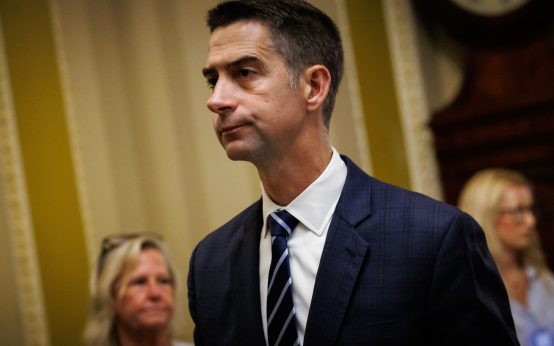
 Sen. Tom Cotton Opposes Year-Round Daylight Saving Time Amid Trump Pressure
  Pressure Mounts on Democratic Governors to Join Trump’s Federal Scholarship Program
  A Meeting with Steve Hilton’s Vision Amid California’s Political Dynamics
  BP Lockout Spurs Push for Indiana Legislation on Unemployment Benefits
  Urgent Reforms Needed in Republican Nomination Process
  Debate Heats Up Over Permanent Daylight Saving Time