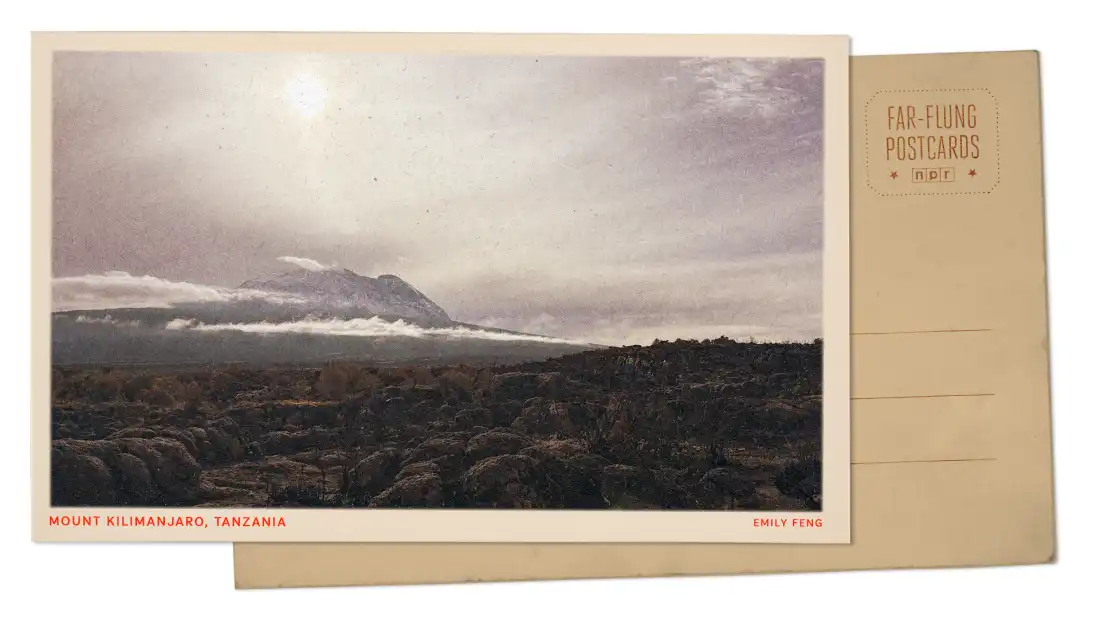
As dawn broke one morning, the clouds parted to reveal the peak of Mount Kilimanjaro. This majestic sight is rare, often hidden from view. Climbing Kilimanjaro presents a unique challenge. During the day, the sun is intense due to the proximity to the equator, but nights plunge into freezing temperatures.
The journey takes you through varying landscapes. Lush rainforests transition into alpine terrain. Sights of snow persist, reminding hikers of recent wildfires that left their mark on the mountain.
Reaching the peak demands patience and resilience. The high altitude forces a slow pace to prevent exhaustion and altitude sickness. Our group, composed of friends and fellow hikers, spent days at high altitude for acclimatization. This was essential before attempting the final ascent.
On our second-to-last evening, we set off for the summit. The trek involved navigating through deep snow under a starlit sky. We crossed a significant volcanic crater rim, encountering blizzard conditions on the way to the peak. By morning, we reached the top, but visibility was poor. The stark white landscape amplified the challenge of climbing at such altitudes with diminished oxygen levels.
After descending the mountain and preparing to leave, I took one last look at Kilimanjaro. As dusk descended, the clouds parted briefly to unveil the mountain, an elusive glimpse before nightfall.
 FAA Implements New Staffing Rule for LUAW Operations
 Man Goes Overboard on Royal Caribbean Cruise
 Varied Reports on Entertainment, National Park Controversy, Food Insecurity, and More
 Travel Insurance: What You Need to Know About Coverage Gaps
 Ugg’s Wool-Lined Slippers on Sale for Holiday Shopping
 Mexico’s New Documentation Requirements for Cruise Passengers