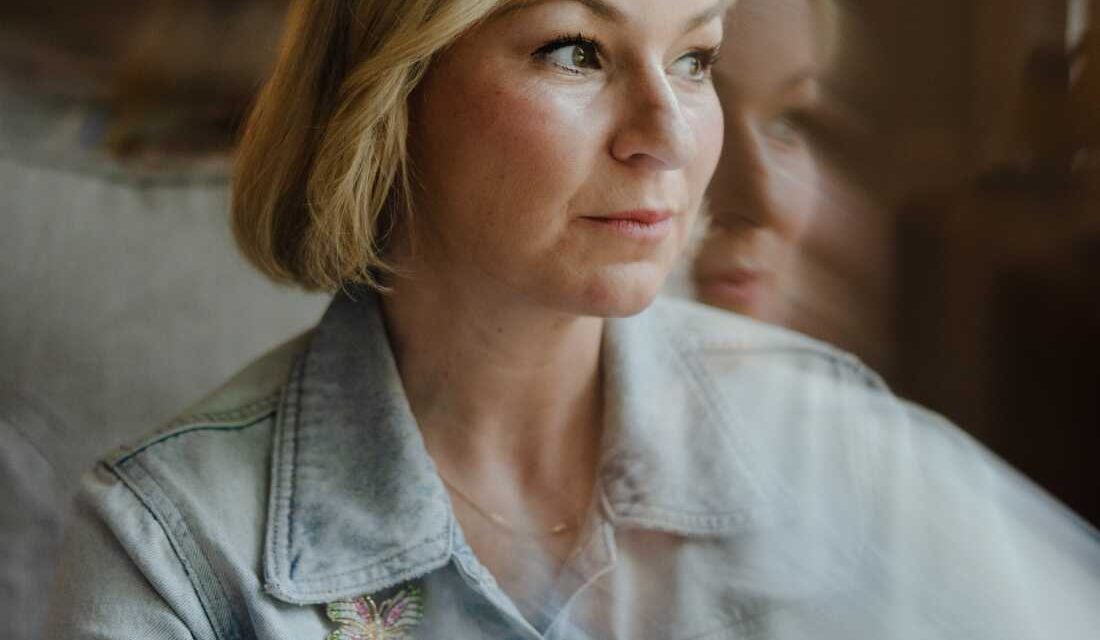
In the quiet suburbs of New Jersey, Dani Bensky begins her day like any other parent. Her six-year-old son, Dax, bustles around the house with the boundless energy only a child can possess, eagerly aiming to be a ninja. The home speaks volumes about family life, with red and purple kindergarten drawings adorning the fridge and childhood items scattered throughout. Yet, despite these scenes of domesticity, the shadows of a more complex past linger.
Bensky is a survivor of Jeffrey Epstein’s notorious acts. At 17, her life intersected with Epstein’s when she began visiting his New York penthouse for massages, a chapter she reflects on with the words, “I miss the kid that I was.” Her residence houses reminders of this period, from Department of Justice files to a thought-provoking nude portrait that represents her ideal over the reality she faced in Epstein’s domain.
Bensky endures the trauma that Epstein inflicted, underscored by a diagnosis of post-traumatic stress disorder. Although Epstein died in 2019, the legacy of his crimes remains vivid, especially as figures like Acting Attorney General Todd Blanche face scrutiny. Bensky and other survivors continue their advocacy, demanding accountability from high-profile individuals implicated in related documents.
Despite public attention, no new arrests have emerged from the document releases. Frustration grows among survivors as investigations progress slowly. For Bensky, what started as a hopeful pursuit now demands resilience, as the fight proves longer than expected.
A group of about 15 survivors, including Bensky, strive for justice without financial compensation. They rely on settlements from Epstein’s estate and part-time work to sustain themselves. The emotional toll of reliving traumatic experiences fuels their resolve to advocate for stronger laws against sexual assault and trafficking.
There’s no real escaping, you know?
On a visit to Washington, D.C., Bensky reunites with fellow survivor Annie Farmer at a conference addressing sexual exploitation and human trafficking. Their camaraderie brings welcome relief amid the emotional burden of advocacy. Farmer and Bensky emphasize the broader scope of the issue, cautioning against focusing solely on one case.
During the conference, Bensky and Farmer participate in a panel, underscoring survivor stories and encouraging broader understanding of trafficking. The event showcases the enduring struggle and triumph among survivors, even as they grapple with immense emotional and physical demands.
The whirlwind of advocacy often separates Bensky from her family. Yet, she finds moments of joy, noting how her son Dax forms bonds with other survivors’ children, turning their experiences into a shared legacy.
Despite the weight of her dual existence—balancing motherhood and the fight for justice—Bensky remains committed to this shared mission. Her hope for future change unites her with the “survivor sisterhood” and provides motivation to keep striving for a better future.