David Henrie, best known from “Wizards of Waverly Place,” spoke with Tomi Lahren about concerns over current children’s programming. He believes that entertainment today often prioritizes messages over storytelling, turning toward propaganda.
Henrie stresses the importance of storytelling in entertainment. He feels audiences and viewers push back when entertainment becomes divisive rather than unifying.
Cultural legends, such as tales of dragons and noble kings, have fascinated people for years. The thrill and wonder of these stories capture our desires for courage, love, and mystery.
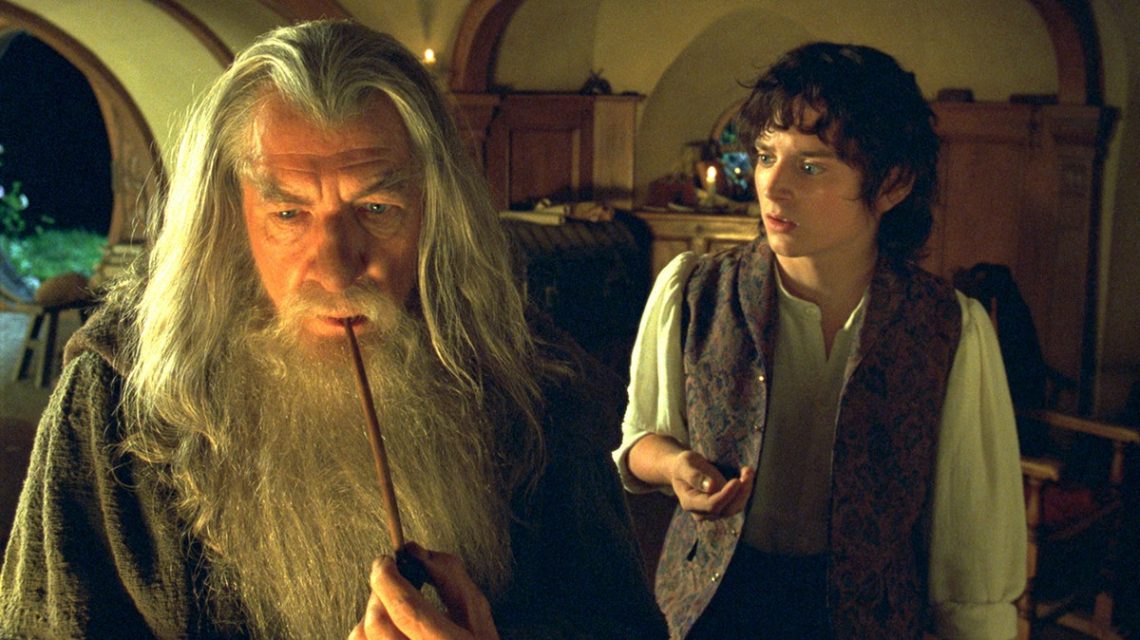
Authors like J.R.R. Tolkien and C.S. Lewis created worlds like Middle-earth and Narnia, where bravery has significance because it involves sacrifice. These stories remain popular because they clearly separate good from evil.
Although the fantasy genre is thriving, earning billions each year through comics, books, movies, and more, the essence of what made fantasy great has changed. Some creators equate maturity with explicitness, filling content with unnecessary violence and sexual themes.
Recent best-selling fantasy series often include unmentioned explicit content, including “A Court of Thorns and Roses” and “Fourth Wing.”
The end of this path is evident in the “Game of Thrones” franchise, noted for its excessive sexual violence that contributed little to the story.
Fantasy should focus on inspiring adventure rather than distracting with explicit material. The core question is whether creators encourage confronting evil or indulging in it.
Biblical narratives also feature supernatural events and challenges that underline the consequences of evil and the power of courage. Stories like “The Lord of the Rings” and “Chronicles of Narnia” illustrate these themes, emphasizing the value of goodness and bravery.
While it might seem easy to turn to faith-based entertainment as a solution, such content also needs quality storytelling. Moral values alone cannot make up for lackluster stories or characters.
True successes, such as Tolkien and Lewis’s works, were not about hidden sermons but about engaging narratives. Achieving a new era of fantasy involves creating stories that are inherently good and captivating.
Daniel Maritz, co-author of “Lightborn: Dawn of Darkness,” highlights the demand for engaging worlds that guide readers through adventures and back to hope.
 Clay Aiken Reflects On Being Outed in 2006
  John Ritter’s Legacy: Raising Awareness for Aortic Dissection
  Ashley Dupré Reflects on Past Choices and Family Impact
  Ed Sheeran Expresses Regret Amid Controversy Over Macklemore’s Tour Exit
  Kate Middleton: The Monarchy’s Brightest Star
  Lioness Season 3 Finale: Shocking Twists and Future Prospects