
Dr. Anthony Fauci’s recent testimony before Congress has sparked significant discussion. During the session, he invoked the Fifth Amendment, refusing to answer questions from Sen. Rand Paul and other Republicans about various pandemic-related issues, including COVID-19’s origins and its management.
Following the hearing, Sen. Paul voiced concerns about the legitimacy of Fauci’s use of the Fifth Amendment, considering that President Joe Biden had previously granted him a blanket pardon. This issue is yet to be resolved.
Reactions to Fauci’s actions have varied significantly across political lines. While Republicans express frustration, Democrats continue to extol his contributions. Harry Sisson labeled Fauci as an ‘American hero’ in a tweet, emphasizing his positive impact.
Additionally, Sen. Dick Durbin praised Fauci, describing him as a compassionate physician, a brilliant scientist, a committed public servant, a humanitarian, and a patriot whose work has saved numerous lives. Durbin criticized the congressional appearance, calling it a result of conspiracy theories.
Dr. Fauci is a deeply caring physician, a brilliant scientist, an extraordinary public servant, a humanitarian, & a patriot—whose work has helped save tens of millions of lives.
This standpoint contrasts with views suggesting COVID-19’s laboratory origin, arguing Fauci redirected focus to the theory of a market origin to avoid responsibility.
Debate continues around Fauci’s guidance during the pandemic. Notably, suggestions such as lockdowns, social distancing, and mask mandates faced resistance. By mid-2020, differing approaches in red and blue states provided a unique observational scenario.
Despite variances in adherence to Fauci’s recommendations, mortality rates remained similar across states. Vaccinations later revealed differences, with red states showing worse outcomes due to slower vaccination rates among the vulnerable.
Effectiveness of mask mandates and other restrictions remains disputed, with some arguing they did not significantly alter outcomes. This continues to challenge public health advisories and their implementation.
As debates persist about pandemic management, reflections on the lessons learned from this period are vital. They highlight the importance of evaluating public health strategies and their impacts on civil liberties.
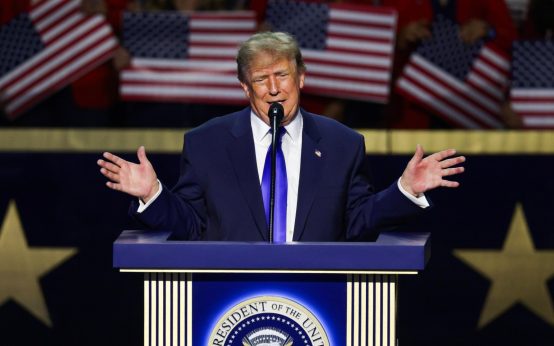 Republican Senator Criticizes Trump’s $5,000 Check Proposal
  Trump’s Approach to Iran at the United Nations
  Trump’s Triumphal Arch Controversy
 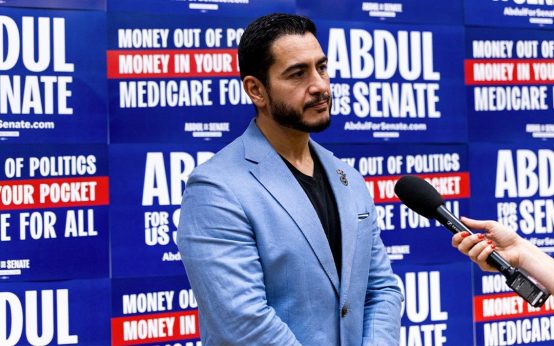 Concerns Over Abdul El-Sayed’s Potential Senate Role and National Security
  Kentucky Governor Andy Beshear Discusses Tariffs, Faith, and Political Ambitions
 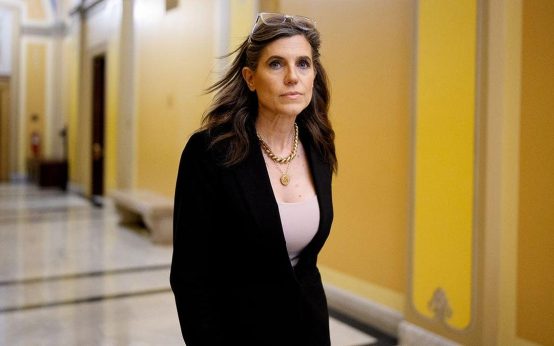 Sunday Highlights: Lane Kiffin, Nancy Mace, and College Football Drama