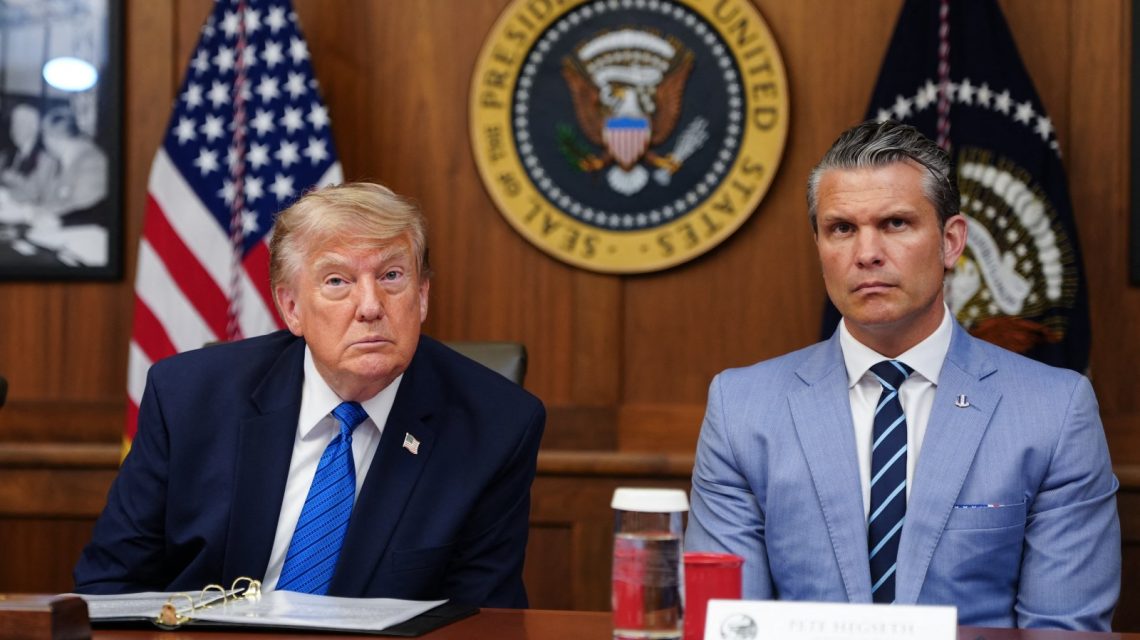
Defense Secretary Pete Hegseth is under increasing scrutiny from Republican lawmakers on Capitol Hill. His public support is waning. A recent Marquette Law School poll shows a decline in his favorability among U.S. adults, related to concerns over his management of the war in Iran.
Loss of Confidence Among Key Senators
Senator Thom Tillis from North Carolina has expressed doubt in Hegseth’s leadership. He cites forced retirements of senior military personnel and claims of micromanagement at the Pentagon. Senator Susan Collins from Maine, head of the Appropriations Committee, called these retirements “deeply troubling.” Other senators, such as Shelley Moore Capito from West Virginia and Joni Ernst from Iowa, have warned that public patience with the ongoing conflict is running out.
Decline in Public Support
A Marquette Law School poll conducted in late July shows Hegseth tied with Trump for the lowest favorability among administration figures, both having a net favorability of minus 22 points. Hegseth has a 23% favorable rating versus a 45% unfavorable rating. A significant portion of the surveyed population, 32%, stated they lacked enough information about him to have an opinion, despite his role in overseeing the Pentagon during the Iran conflict.
An earlier poll from May presented a better picture among Republicans, with Hegseth achieving a net favorability of plus 36 points. He was still last among the four Republican figures assessed in that poll.
Challenges with Munitions Shortages
The decline in Hegseth’s favorability follows reports about tensions over munitions shortages. A Washington Post article indicated Trump’s frustration over these issues, highlighting an exchange at Camp David demanding answers from Hegseth. Hegseth reportedly blamed Deputy Defense Secretary Stephen Feinberg for misleading Trump about these shortages.
The White House has denied these reports. Press Secretary Karoline Leavitt termed the account “100% fake news,” stating Trump maintains confidence in Hegseth. Pentagon spokesperson Sean Parnell affirmed that Hegseth didn’t mislead anyone regarding munitions.
Trump also commented on Truth Social, asserting the U.S. has abundant munitions with production ongoing. He stated that the sources of such leak reports are being tracked down.
A Shifting Environment for Hegseth
Tensions represent a shift for Hegseth, whose position seemed secure following the successful capture of former Venezuelan leader Nicolas Maduro. Despite previous controversies, like the Signal chat breach known as Signalgate, Hegseth had retained Trump’s backing.
Pentagon spokesman Parnell emphasized that Hegseth remains secure in his position and will continue collaborating with Feinberg.
Ongoing Republican Criticism
Republican unease regarding Hegseth’s management of the Iran war has been growing. Prior to stating Hegseth had “lost his confidence,” Tillis criticized his management style, especially concerning senior military officials.
In May, Tillis openly warned about reports suggesting General Chris Donahue, commander of U.S. Army Europe and Africa, could be pushed aside due to Pentagon restructuring. Tillis accused Hegseth of impulsive decision-making, urging him to involve experienced military professionals.
The U.S. military has significantly reduced its munitions inventory since the conflict began in late February. Reports indicate substantial usage of missiles and interceptors within the first month, leading to nearly depleted stockpiles.
In response, Hegseth, Feinberg, and Joint Chiefs Chairman General Dan Caine have requested an additional $67 billion from Congress to replenish these stockpiles, a request the Senate Republicans have yet to address.
 DHS Warns Migrant Caravan Heading to U.S.-Mexico Border
 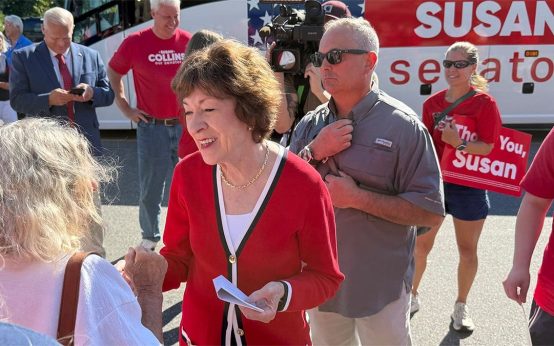 Vandalism at Senator Susan Collins’ Office Amid Election Contest
 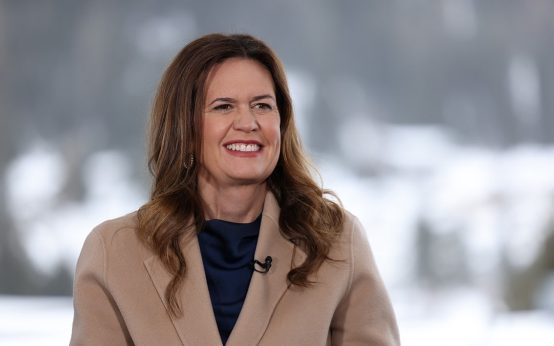 Backlash Over Sarah Huckabee Sanders’ Welfare Ad
  Mamdani’s Child Care Initiatives Set a New Standard
  Senate Passes Protect College Sports Act of 2026
  The Challenge of Addressing Global Crises