The National Transportation Safety Board (NTSB) released details on a tragic incident involving an Amazon cargo plane that crashed at Miami International Airport. For about two minutes, a pilot warned his fellow crew member about excessive speed during landing. The warnings went unheeded, according to information from the NTSB.
The Amazon plane veered off the runway on Sunday afternoon, traveling approximately 1,300 feet beyond the runway’s end before colliding with a van. This resulted in the deaths of five individuals and injuries to five others. Two injured remained in critical condition. The two pilots survived and were later interviewed by investigators.
Pilots’ Decisions Scrutinized
Former FAA official Mike O’Donnell highlighted the actions the pilots could have taken to avert the accident. Options included slowing the plane with spoilers, cutting throttles, lowering landing gear, or aborting the landing for another attempt.
“You have plenty of time to slow down, plenty of time to say, let’s just do a go-around at two minutes out,” O’Donnell stated.
Flight Data Reveals Unsteady Approach
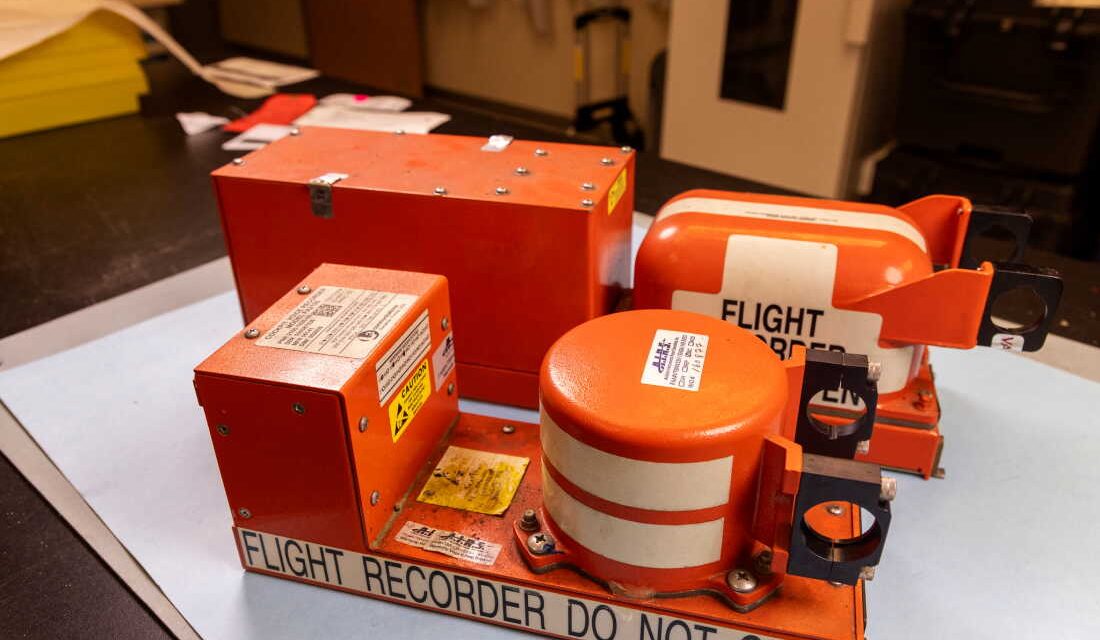
NTSB data indicated instability during the approach, exacerbated by strong winds. The flight data recorder showed the plane’s brakes were briefly disengaged as the pilots attempted a takeoff before abandoning that effort.
Automated warnings during the descent also pointed to potential issues with the plane’s configuration for landing, as suggested by O’Donnell. The plane initially touched down well down the 9,360-foot runway, reducing stopping distance.
Concerns About Pilot Coordination
Safety expert Steve Arroyo emphasized the apparent lack of teamwork in the cockpit. “Where’s the coordination? Where’s the leadership here in terms of managing the flight deck?” Arroyo questioned.
Mary Schiavo, a former Inspector General of the Transportation Department, raised concerns about the possibility that the more experienced pilot ignored warnings from the less senior officer. Investigators will evaluate all factors contributing to the incident.
Background and Broader Context
The Boeing 767 involved was initially a passenger plane before its 2015 conversion to a cargo carrier. Operated by 21 Air for Amazon, the aircraft had an extensive history with various airlines. The NTSB will review its ownership, weather conditions at the crash, maintenance records, and 21 Air operations.
This crash marks the second cargo jet accident in the U.S. in less than a year, following an October tragedy with a UPS plane at Louisville’s Muhammad Ali International Airport.
 George W. Bush Reflects on World Series Pitch After 9/11
  Lethal Strike on Suspected Drug-Smuggling Vessel in Eastern Pacific
  Egg Prices Drop as Texas Receives Donation from Settlement
  Department of Homeland Security Updates Seal Symbolism
  Bus Lane Plan Sparks Controversy in Eagle Rock
  Harris County Commissioners Approve Large Property Tax Increase