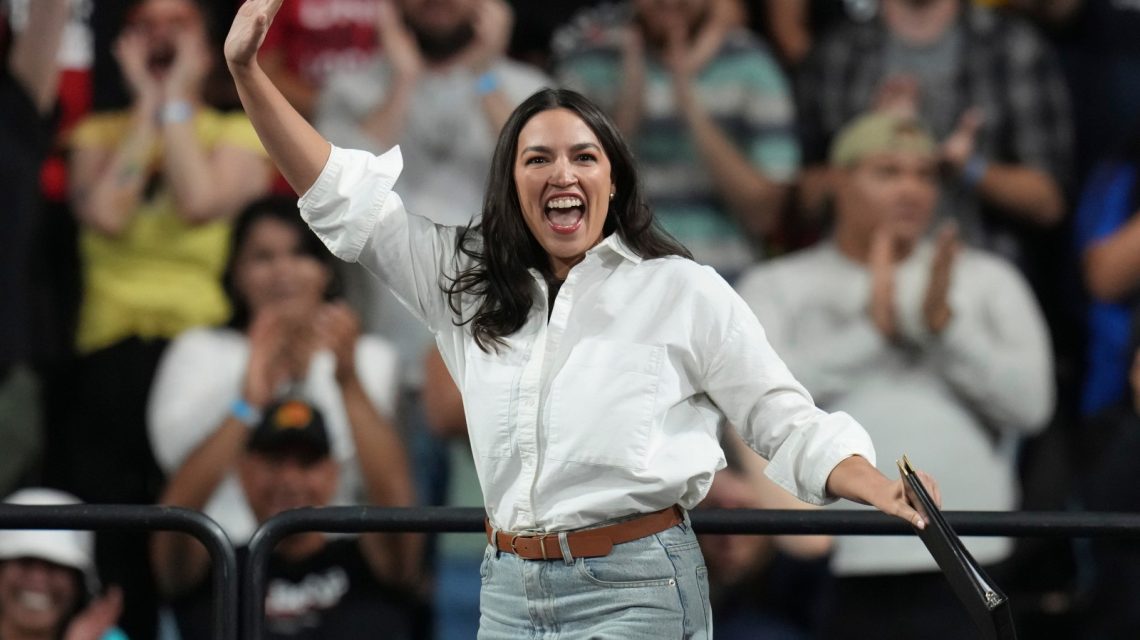
Overview of Hypothetical Match-Up
New poll data indicates Democratic Representative Alexandria Ocasio-Cortez of New York is narrowly trailing Republican Vice President JD Vance in an early hypothetical presidential race for 2028. Neither party has selected a nominee yet.
Vance received 45.1% of the support, while Ocasio-Cortez garnered 41.8%. Undecided voters accounted for 9.6%, and 3.5% chose other candidates. Among voters who made a choice between the two, Vance led with 51.9%, compared to 48.1% for Ocasio-Cortez.
Polling Results
The survey conducted by Quantus Insights of 1,200 likely voters showed Vance leading Ocasio-Cortez by 3.3 points. The margin is within the survey’s margin of error, suggesting a closely contested race.
In the Democratic primary field, former Transportation Secretary Pete Buttigieg led with 25.7%. Vance headed the Republican primary field, securing 41%.
Demographic Insights
Ocasio-Cortez’s support was strongest among women, younger voters, urban residents, and ethnic minorities. She led among women with 48.7% compared to Vance’s 37.1%. Voters aged 18 to 29 supported her at 53.4% versus Vance’s 24.9%. In urban areas, she received 53.6%, against Vance’s 32.6%. Black, Hispanic, and Asian respondents favored her over Vance, who carried a majority of white voters.
Vance performed better among men, older voters, and those living in suburban and rural areas. He led among men (53.9% to 34.4%) and voters aged 65 and older (51.6% to 37%).
Party Primary Standings
Buttigieg led among Democrats with a following of 25.7%. Other contenders included Senator Jon Ossoff at 21.3% and Ocasio-Cortez at 15.3%. Kamala Harris and Gavin Newsom also appeared on the Democratic slate. Vance led the Republicans with Rubio trailing at 29.1%. Donald Trump Jr., Ron DeSantis, and others were also noted.
Implications and Future Outlook
This early polling emphasizes potential demographic coalitions and electoral dynamics for the candidates. Vance’s slight lead is not a secure margin, with significant portions of the electorate undecided. Ocasio-Cortez’s proximity suggests competitiveness, driven by favorable Democratic support at the time of polling.
While these numbers provide insights, ongoing national shifts and further surveys will determine if these trends hold or evolve in future electoral contexts.
 March on Washington Highlights Support for Political Change
  Michigan Democratic Party Faces Internal Tensions Over Israel Dilemma
  Conservative Legal Experts on Trump’s Executive Orders for Birthright Citizenship
  Debate Heats Up Over Flock Cameras in East Tennessee
  Beth Macy Challenges Rep. Ben Cline in Virginia’s 6th District
  New Leadership Emerges for Chicago’s Transit Authority Board