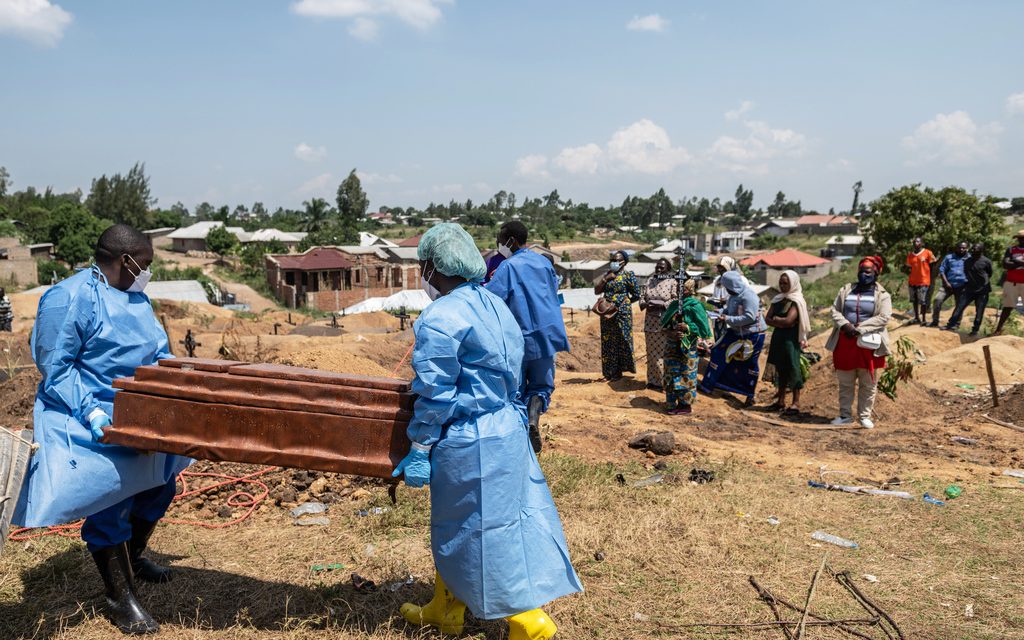
Red Cross workers prepared for the burial of Vanisa Anifa, a six-month-old girl who died from Ebola, at Bigo Cemetery in Bunia, Congo. This event underscores the consequences of dismantling U.S. foreign assistance institutions. The Trump administration, led by the Department of Government Efficiency and Secretary of State Marco Rubio, faces scrutiny for reducing these initiatives, which affects the U.S. response to health crises.
The current Ebola outbreak in Central Africa shows the risks of lacking a coordinated international health response. A University of Chicago study highlights increased conflict in African countries that depended on U.S. assistance. Data shows conflicts rose by 12.3%, battles by 7.3%, and protests by 6.8%.
Eastern Democratic Republic of the Congo struggles with these realities. Decades of armed conflict have degraded local health services and stirred suspicion of outsiders. Years of war weakened civil groups that usually act as early alerts for conflicts and disease outbreaks.
American investments in conflict mitigation and peacebuilding were shared responsibilities among USAID and other groups. These efforts saved lives and alleviated suffering by working alongside disease prevention and humanitarian responses. Former USAID conflict management directors built the capacity to deploy development aid to protect peacebuilders and local allies.
These initiatives prevented disputes from becoming violent conflicts that could harm Americans or entangle the U.S. in prolonged wars. The work ensured that U.S. funds were wisely spent, drawing lessons from countries like Iraq, Afghanistan, and Colombia.
Today, as Congress reviews President Trump’s $1.5 trillion military spending request, past investments in peacebuilding are nearly gone. State Department bureaus lack support to aid local groups in conflict detection and response, crucial for building trust and resolving grievances.
Addressing health and humanitarian challenges exceeds the State Department’s current capacity. The military cannot substitute this peacebuilding work, which once received backing from military and Congress alike. International health threats and conflicts continue, needing U.S. development and humanitarian responses centered on conflict prevention.
Ironically, then-Sen. Rubio once supported this mission before contributing to its reduction. It remains possible to reconsider choices that have weakened U.S. leadership in addressing global challenges.
By Elisabeth Kvitashvili, Neil Levine, Ryan McCannell, and Don Chisholm — former directors of USAID’s conflict office.
 Far-Left Groups Allegedly Organize Protests in Austin
  Austin Police Release Footage of Arrest After ICE-Involved Shooting
 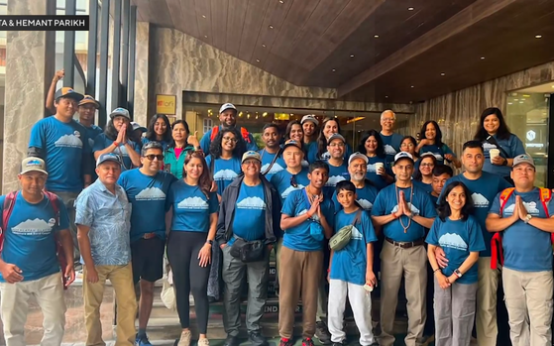 Himalayan Pilgrimage: A Couple’s Narrow Escape and Lingering Questions
  Religious Trends: Decline in Affiliation with LDS Church
  UC Berkeley Student’s Harrowing Encounter Raises Questions About Safety and Legal Protections
  Tinley Park Updates Downtown Parking Rules Amid Increased Congestion