Since 1947, Mississippi had not elected a Democrat to the U.S. Senate. This changed when Sen. Cindy Hyde-Smith talked about high beef prices, suggesting Mississippians choose another protein source. Scott Colom used this remark in a campaign ad, which contributed to his win. The Democratic wave continued with significant victories in Texas and Alaska, giving Democrats a 56-44 Senate majority. Elections highlighted voter discontent with affordability issues.
The Rise of the E-shaped Economy
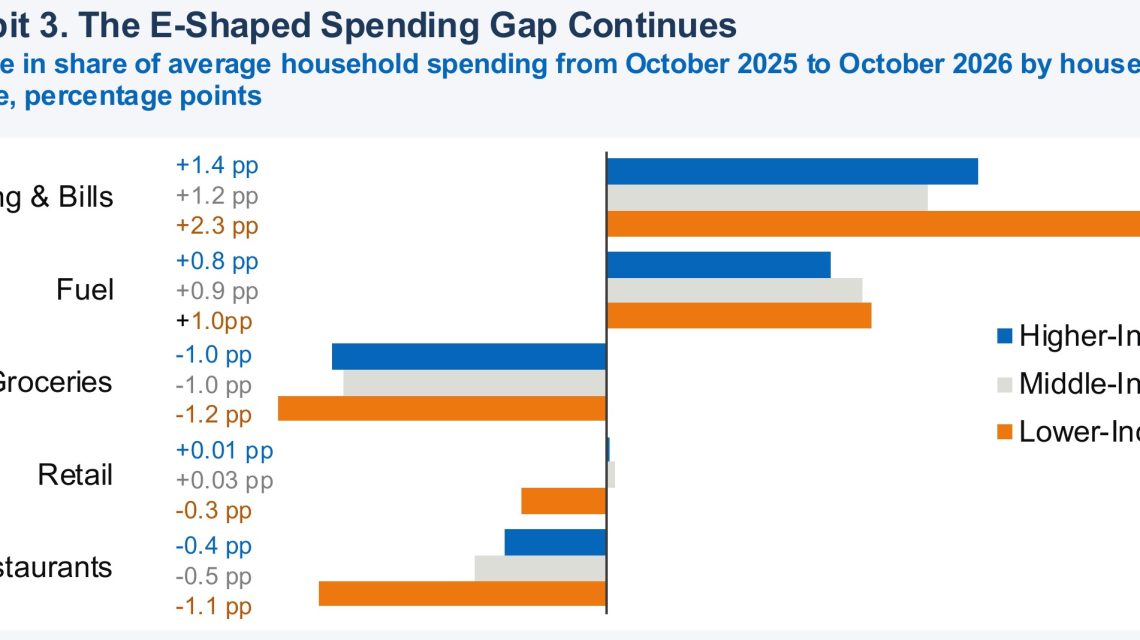
Heather Long, chief economist for the Navy Federal Credit Union, describes the current economic disparity with the concept of an ‘E-shaped’ economy. The top third of U.S. households spends nearly double each month compared to the bottom two-thirds. Their spending, adjusted for inflation, remains relatively unchanged, showing resilience against rising costs. The middle and lower classes, however, face new challenges. Gas price increases impact the lowest earners significantly, while middle-income households cut back on spending, particularly on food, to manage their budgets.
Economic Pressures and New Spending Patterns
A new report by Navy Federal Credit Union, covering 6 million members, reveals household spending patterns. Households spent approximately $140 more per month in October than the previous year, primarily directed towards housing, household bills, and gas. This increase forced reductions in grocery and dining expenses. While some manage by reallocating spending, others resort to borrowing to cover rising costs like property taxes and insurance, which are not captured in CPI figures.
The report identifies a ‘silent squeeze’ on budgets, driven by increased housing-related expenses, including utility bills, rent, property taxes, and insurance. With a 24% rise in homeowners insurance premiums over three years, many homeowners face unexpected financial burdens. Voter actions reflected these pressures, with measures in states like Florida and North Carolina aimed at property tax relief.
Consumer Behavior and Market Changes
Navy Federal’s data shows a shift toward discount and warehouse shopping, affecting all income levels. Even wealthier individuals are purchasing less at grocery stores. Walmart reports significant gains among households earning over $100,000 a year, indicating broader economic concerns.
Debt levels present another concern, with credit card balances reaching record highs and personal loans increasing. Despite recent relief from gas prices dropping below $4 per gallon, health insurance premiums for 2027 loom as the next financial pressure.
Economic adjustments are evident in everyday choices, such as grocery shopping and dining habits. Long refers to these changes as ‘grocery store politics,’ highlighting the tangible impact of economic conditions on American households.
 Texas Senator-Elect James Talarico Makes Headlines with Thrifted Fashion
 Sen. John Kennedy Discusses Presidential Run Possibility and Capitol Hill Security
 Global Events and Key Developments
 Jon Ossoff’s Rise in Georgia and His Future Potential
 Democrats Consider Impeachment Under Jeffries’ Leadership
 Nikki Haley Critiques Trump’s Summit with Putin and Xi