
As students in the United States return to college campuses, they face increasing costs associated with higher education. This period of preparation involves selecting courses, purchasing textbooks, and arranging dormitories. These activities highlight a significant concern for both students and parents: the financial burden of attending college.
Over the past few decades, the cost of obtaining a college degree has surged substantially. This trend raises a pivotal question about the overall value of a college education in today’s economic landscape. It compels families to weigh the long-term benefits of holding a degree against the immediate financial outlay required to attain one.
The conversation about the worth of college extends beyond mere expenses. It involves broader considerations such as employability post-graduation and the role of liberal arts in shaping well-rounded individuals. These factors contribute to an ongoing debate about the fundamental purpose of higher education.
Students are increasingly evaluating the potential return on investment that various degrees offer. This evaluation looks at the trade-off between tuition costs and expected salary, and between choosing technical skills over a liberal arts education. Consequently, this leads to a reassessment of what constitutes a meaningful and valuable college degree in modern times.
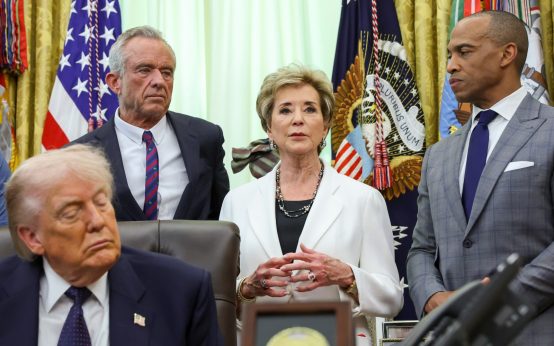 Labor Unions Sue Over Trump’s Student Loan Changes
 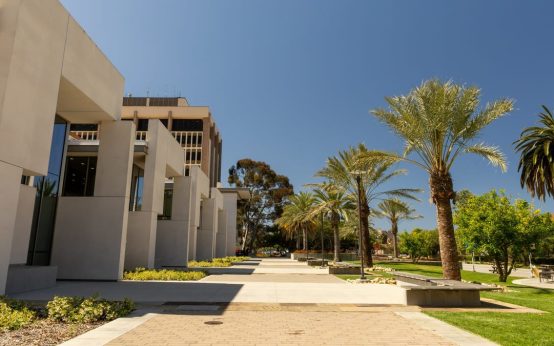 Controversies Surrounding Criminal Cases in Virginia and California
 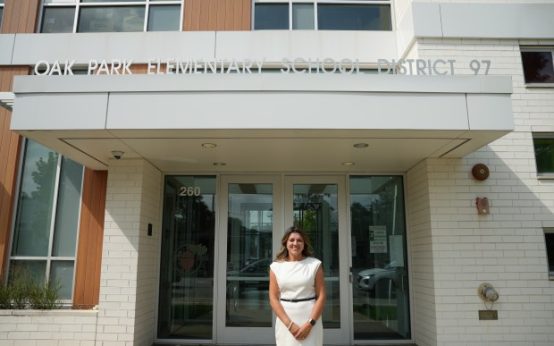 Terri Bresnahan Prepares for New Role as Superintendent
  The Evolution of College Application Essays
  Pacoima Middle School and L.A. Unified Face a Year of Challenges
  Trump Administration Proposes Changes to Head Start Program