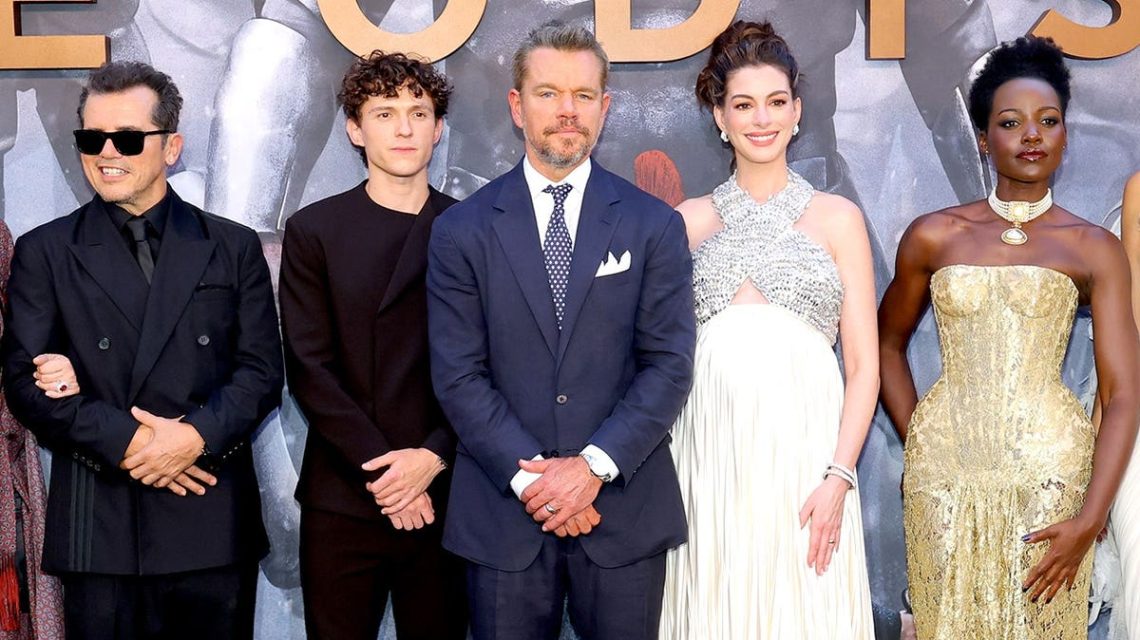
Christopher Nolan’s blockbuster film “The Odyssey” invites moviegoers to experience an epic journey across the ancient world. The film was shot in remarkable locations worldwide, including Greece, Italy, Morocco, Scotland, and Iceland. Nolan’s commitment to practical filmmaking and in-camera effects is evident throughout his work.
After four weekends, “The Odyssey” became Nolan’s highest-grossing movie, with global box office earnings of $1.1 billion, according to Deadline. This film also leads as the highest-grossing R-rated movie of 2026, both domestically and internationally. Some scenes feature famous mythological creatures that define Odysseus’ challenging voyage.
Transformation of Iconic Locations
The film’s settings include ancient Troy, Odysseus’ homeland of Ithaca, and the Cyclops’ cave. These locations have sparked significant interest from travelers eager to visit them. A study by Nibble, a learning app, observed a 3,421% increase in Google searches for Troy following the film’s mid-July release, reported by Travel + Leisure.
Searches regarding the reality of Troy’s existence also rose, indicating that audiences were curious about whether Homer’s legendary city can be visited.
Filming Spots Recognized in the Movie
1. Voidokilia Beach, Greece
Voidokilia Beach lies in Messenia in the southwestern Peloponnese, about 10 miles from the coastal town of Pylos. The beach’s unique shape made it a prime Greek filming location for “The Odyssey.”
2. Nestor’s Cave, Greece
Above Voidokilia Beach, Nestor’s Cave served as Polyphemus’ lair, the Cyclops who traps Odysseus and his men. Visitors can hike up to the cave, although the path is rocky and steep.
3. Favignana, Sicily
Favignana, the largest of Sicily’s Egadi Islands, depicted Ithaca in the film. Known for clear waters, these islands are accessible by a 30-minute ferry ride from Trapani. They have also revealed archaeological treasures, including a bronze helmet found in September 2025.
4. Aït Benhaddou, Morocco
This fortified settlement represents part of ancient Troy. As a UNESCO World Heritage Site, Aït Benhaddou remains open and accessible, situated 30 minutes from Ouarzazate. The filming of scenes involving the Trojan Horse took place on Essaouira’s beaches.
5. Findlater Castle, Scotland
Nolan used Findlater Castle on Scotland’s northeast coast for filming. The ruins, dating back to the 14th century, overlook the Moray Firth. Visitors can explore these historic remains, which have witnessed moments from Viking occupation to royal sieges.
These locations, chosen for their dramatic landscapes and historical significance, contribute significantly to the film’s visual storytelling. By visiting them, travelers can connect with the ancient myths brought to life through cinema.
 Movies Attempt to Revive Cinema Experience
  Clay Aiken Reflects On Being Outed in 2006
 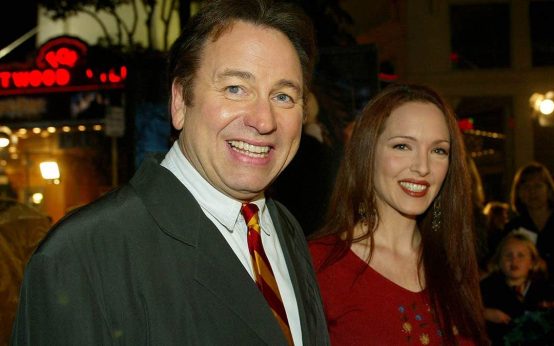 John Ritter’s Legacy: Raising Awareness for Aortic Dissection
 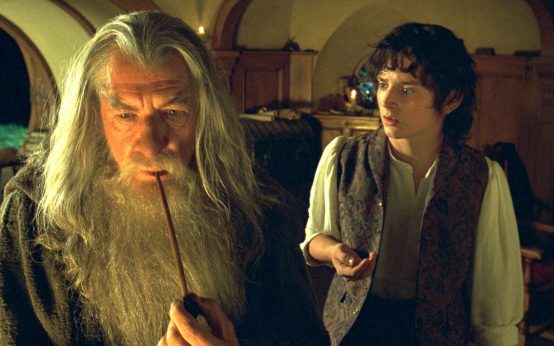 David Henrie Criticizes Modern Kids’ Programming
  Ashley Dupré Reflects on Past Choices and Family Impact
 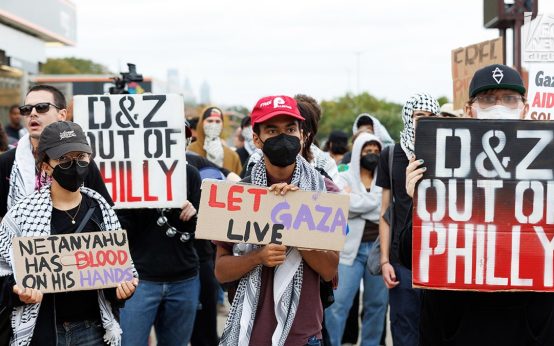 Ed Sheeran Expresses Regret Amid Controversy Over Macklemore’s Tour Exit