
On a cool October evening, my family and I were preparing for another Halloween celebration. The house was decorated with pumpkins and spooky ornaments, marking the beginning of the holiday season. Despite the festive atmosphere, I felt uneasy as I sipped my drink. My body seemed to reject alcohol suddenly.
Over the holidays in 2021, I began adjusting my diet and drink choices to avoid that discomfort. Yet, the persistent uneasy feeling didn’t subside in November, becoming a gnawing sensation in my chest.
During a doctor’s visit, I was told to watch my weight and take over-the-counter medications, which left me feeling dismissed. Despite my busy life as a mom and business owner, the problem persisted, prompting another doctor visit a month later. Stronger medication was recommended, along with some basic bloodwork, which showed nothing alarming.
I sought a second opinion from a gastroenterologist and tried prescription medication for six weeks without feeling truly heard. By January 2022, things worsened. On a vacation with my husband, I noticed a lump in my stomach and severe back pain. We cut the trip short and I scheduled an ultrasound.
While the technician scanned my abdomen, she expressed concern, especially upon learning my mother died from cancer when I was 12—her neuroendocrine tumor started in the lung. The technician’s hug before I left signaled something serious.
“There is definitely something wrong with me,” I told my husband after the appointment.
Later that evening, my doctor confirmed a large mass in my pancreas. The news was devastating. The next day, I arranged a CAT scan, revealing a tumor in my pancreas, causing bloating and discomfort by compressing organs.
After several tests and different doctors, the diagnosis came: pancreatic neuroendocrine cancer with metastasis. My mother’s past hadn’t flagged this possibility earlier. The tumor accounted for many symptoms; it was slow-growing and often symptomless until advanced stages. Treatments began but were arduous and debilitating.
In March, I underwent surgery to remove the tumor, part of my pancreas, spleen, and lymph nodes. Post-surgery scans showed metastasis in my bones and liver. Annually, about 8,000 people are diagnosed with neuroendocrine tumors in the gastrointestinal tract, making this a rare condition.
Various treatments were attempted, some rendering me unable to walk, among other side effects. The medication provided temporary relief but was unsustainable.
During a candid conversation last fall, my oncologist estimated two or three years left for me. With my daughter overhearing, it was a heartbreaking moment for our family.
With limited time, we decided to pursue our bucket list vigorously. This summer, we visited Alaska, thanks to my in-laws. Standing on a glacier was a highlight. We are planning a family cruise to Turkey, Greece, and Italy next summer. Travel brings joy and a sense of urgency to our remaining time together.
Besides traveling, witnessing the Northern Lights was a dream fulfilled right from New Jersey, a moment filled with gratitude.
Understanding neuroendocrine tumors, inspired by family history, makes advocacy paramount. Even celebrities like Steve Jobs and Aretha Franklin faced these tumors. Funding and research hold the key to advancements.
Genetic links to neuroendocrine tumors remain uncertain. With my mother and me affected, I worry for my children yet desire a hopeful future.
“Life is short, live it fully.”
Witnessing my mother’s death shaped my perspective. I encourage my children to savor life’s moments, knowing experimentation is worthwhile because you only live once. Although uncertain of my time left, I strive to inspire and cherish life.
Jodi Bremner, 48, from New Jersey, embraces her time with family, eagerly addressing bucket list experiences with her husband and their four adult children.
 Faith and Healing: Insights from ‘The Angels Among Us’
 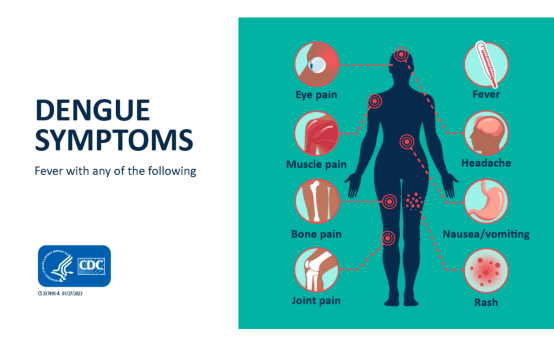 Dengue Fever Outbreak in U.S.: Rising Cases and Health Measures
  The Growing Threat of Lone Star Ticks on Martha’s Vineyard
  Readers Share Views on Dementia, Ant Warfare, and College Affordability
  The Ongoing Importance of ‘The Talk’ in Navigating Challenges for Black and Brown Youths
  Silent Atherosclerosis: Insights from New Research