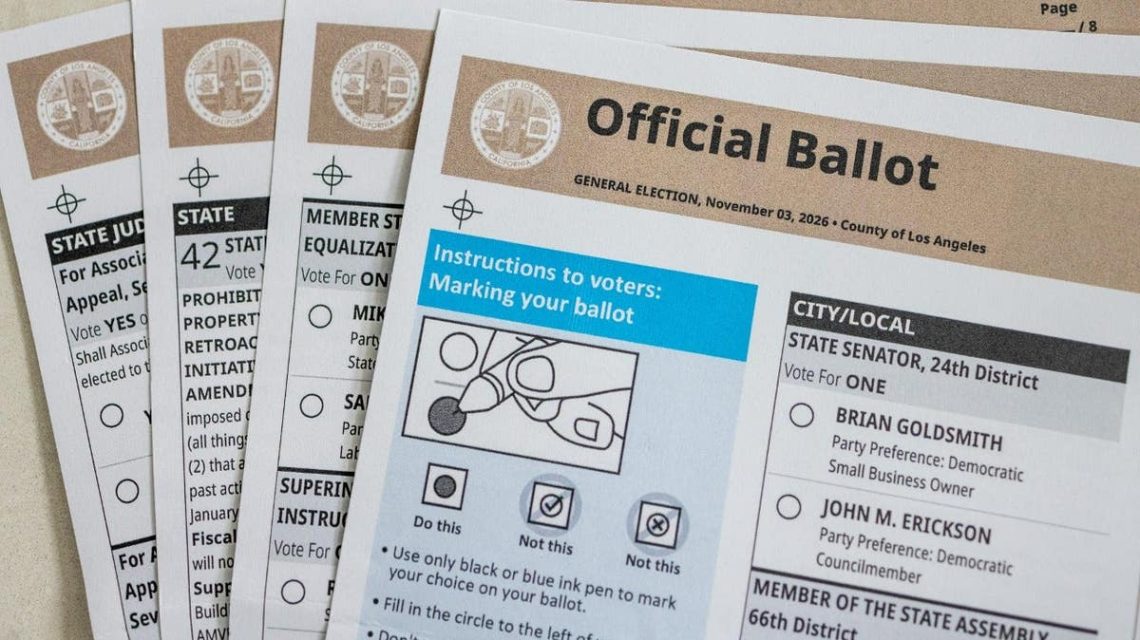
A federal appeals court recently examined the Trump administration’s emergency effort to prevent California from counting thousands of mail-in ballots related to individuals the Justice Department suspects to be noncitizens. This comes ahead of the midterm elections.
During a two-hour hearing, a three-judge panel from the U.S. Court of Appeals for the Ninth Circuit explored both the government’s legal arguments and whether they had the jurisdiction to intervene. This session included attorneys representing both the Trump administration and the state of California.
The federal government requested an immediate ruling, arguing that hundreds of thousands of California ballots could be counted daily while the issue remains unresolved. This hearing followed the Trump administration’s emergency request concerning approximately 20,000 mail-in ballots sent to individuals it suspects are noncitizens.
“California must respond to DOJ’s emergency request over ballots mailed to alleged noncitizens,” the court ruled.
An official mail-in ballot mailed to a resident ahead of the general election is seen in Los Angeles, California, on October 17, 2026. The DOJ wishes California to set aside these ballots for eligibility review, instead of processing them with other votes.
Circuit Judge Mark Bennett, appointed by Trump, questioned the alignment of the injunction request with the Constitution’s Elections Clause. This clause gives state legislatures authority over congressional elections within regulations set by Congress. “It seems to me that you want us to issue an injunction that is entirely inconsistent with the law that the California legislature has adopted pursuant to the Elections Clause,” he told Justice Department lawyer Matthew Donnelly.
Judge Gabriel Sanchez, appointed by Biden, probed why an appeal was necessary when a district court hearing was pending. Judge Patrick Bumatay, another Trump appointee, emphasized concerns about noncitizen voting and questioned California’s handling of suspected ineligible voters.
The DOJ sought emergency relief as Judge David Carter did not meet an earlier requested deadline. California argued against intervention before the lower court’s ruling.
The Trump administration filed the suit on October 15, two weeks after California began mailing ballots. Previously, the Trump administration accused California of “mishandling voter rolls.” California refuted the data and highlighted its safeguards against noncitizen voting. Los Angeles County found discrepancies, identifying registered U.S.-born voters on the government’s list.
In response, California’s recent filing argued that the federal government’s approach would disrupt constitutional norms. “When it comes to rules of elections administration, the federal government has no power to interfere with the States unless Congress passes a law governing the time, place, or manner of elections,” the state contended.
Statewide, over 3 million people have voted, including more than 500,000 in Los Angeles County. The DOJ insists on the urgency, fearing continued ballot processing could interfere before resolving the citizenship issue.
Bennett stated the panel aimed to rule swiftly on the matter.
 Trump Rallies in Texas as Senate Race Remains Tight
 US Intelligence Warns of Iran’s Increased Threat to Americans Abroad
 Unexpected Challenges in Senate Race for Sen. Roger Marshall
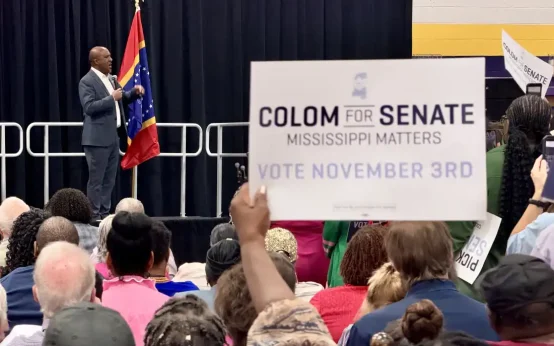 Mississippi Senate Race Brings Focus on Black Voter Turnout
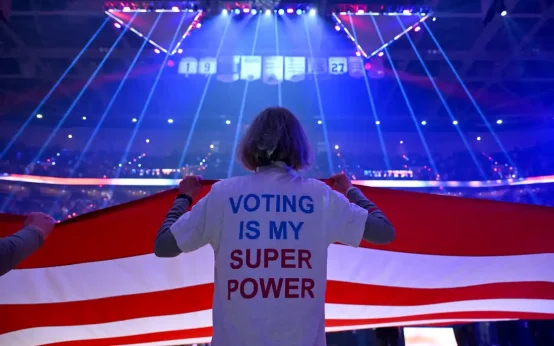 Key Insights from the Latest NPR/PBS News/Marist Poll
 Proposed Monument’s Shadow Over Arlington Cemetery: An Analysis