Incident Summary
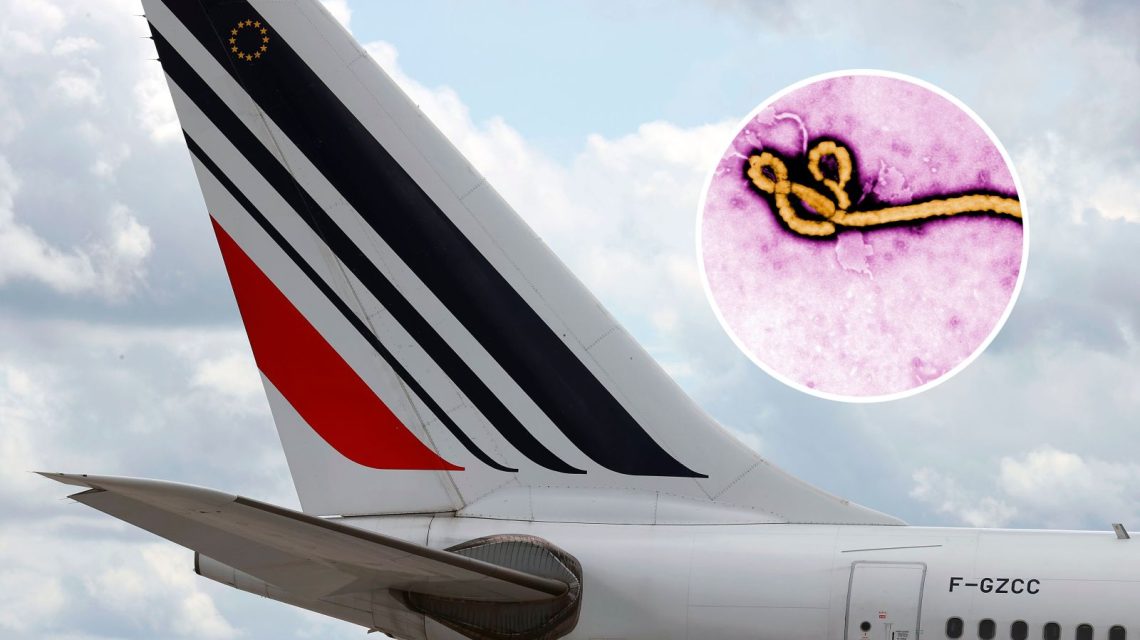
A flight bound for Detroit was rerouted to Canada over fears that a passenger might have been exposed to Ebola. The Air France flight left Charles de Gaulle Airport in Paris with a traveler from the Democratic Republic of Congo (DRC), despite restrictions against their boarding. The U.S. Customs and Border Protection (CBP) intervened to prevent the plane from landing at Detroit Metropolitan Wayne County Airport, redirecting it to Montreal.
Travel Restrictions and Ebola Concerns
Currently, travelers without U.S. passports from DRC, South Sudan, and Uganda face a 30-day travel ban imposed on May 18 following the confirmation of an Ebola outbreak caused by the Bundibugyo virus in northeastern DRC. The U.S. Department of Homeland Security (DHS) reports that while South Sudan has no confirmed cases, it remains high-risk. To limit disease spread, enhanced public health measures are being enforced at a primary U.S. airport receiving most travelers from these countries.
Implementation of New Travel Measures
DHS plans to introduce further restrictions for travelers from affected regions. Flights carrying passengers from DRC, Uganda, or South Sudan within the past 21 days will now be required to land at Washington-Dulles International Airport.
Global Health Emergency
The World Health Organization (WHO) has declared the situation a public health emergency of international concern. President Donald Trump expressed concern during a White House press conference, though the Centers for Disease Control and Prevention (CDC) maintains no confirmed Ebola cases in the U.S., assessing low risk to the public.
Case of an American Physician
Dr. Peter Stafford, serving with the Christian medical nonprofit Serge in eastern Congo, contracted the Bundibugyo strain of Ebola. He has been moved to Germany for treatment due to shorter flight times and Germany’s experience with Ebola cases.
Current Ebola Statistics
As of Tuesday, reported cases in the DRC and Uganda include 536 suspected, 105 probable, 34 confirmed, and 134 suspected deaths.
The Origin of the Current Outbreak
In early May, healthcare workers in Bunia Health Zone began showing severe symptoms. Initial tests were negative, but by mid-May, samples confirmed the presence of the Bundibugyo virus—one of four orthoebolaviruses responsible for Ebola disease.
Understanding the Bundibugyo Virus
No vaccine exists for Bundibugyo virus, with supportive care being the only treatment. The virus results in a mortality rate around 30%. The West Africa outbreak between 2014 and 2016 claimed over 11,000 lives.
The unpredictable nature of Ebola outbreaks and the potential for significant public health impact highlight the importance of early intervention.
Ebola Overview
Ebola, caused by orthoebolaviruses, is a severe and often fatal disease affecting both humans and primates. Transmission occurs through direct contact with infected fluids, primarily from humans.
Initial symptoms include fever, aches, and fatigue, progressing to diarrhea, vomiting, and unexplained bleeding as the disease advances. Symptoms manifest within eight to ten days post-exposure.
The FDA has approved treatments for Orthoebolavirus zairense species but relies solely on supportive care for Bundibugyo virus patients, including hydration, blood pressure support, and symptom management.
 Tensions Over Strait of Hormuz: U.S. and Iran Negotiate Amid Conflict
  Understanding Menopausal Brain Fog: Hormonal Shifts and Memory
  Concerns Over Kratom’s Health Risks Following Student Deaths
  Impending Changes to SNAP and Medicaid: Impact and Reactions
  AI Concerns and International Relations: Bill Gates Urges Oversight Amidst Global Summit
  Europe’s Modern Warfare Preparedness and Democratic Stability