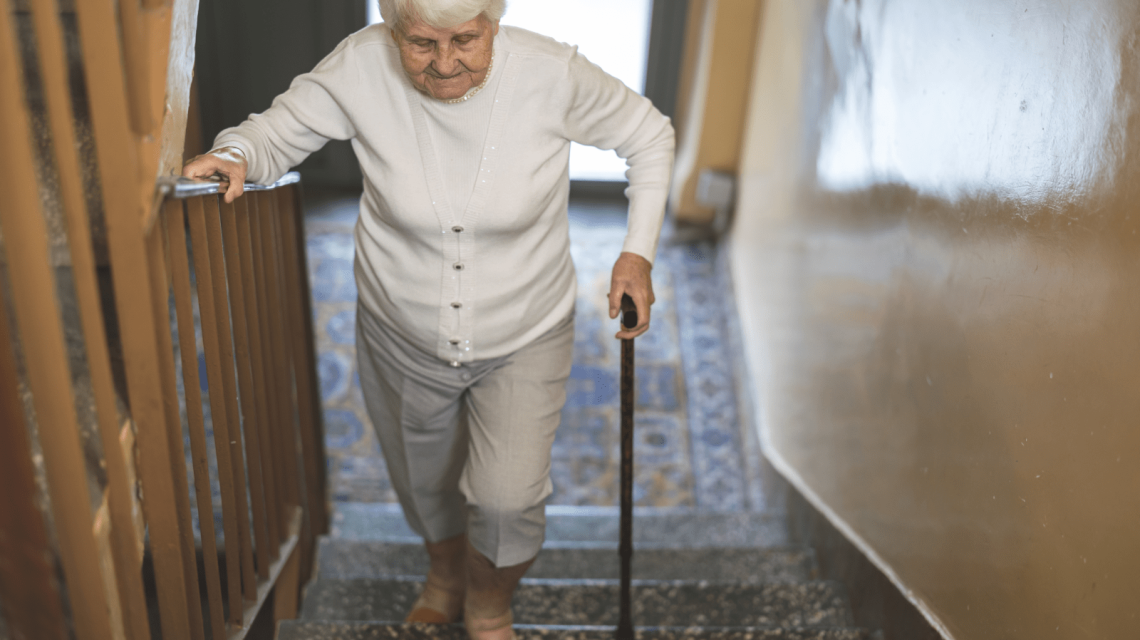
Research has uncovered a potential predictor of dementia, a condition affecting many older adults. The study, featured in the Journal of Neurology, Neurosurgery & Psychiatry, highlights frailty as a key indicator of dementia risk.
Frailty refers to reduced physical resilience and vulnerability to illness. Researchers found its link to earlier dementia onset, even in individuals with minimal Alzheimer’s-related brain pathology.
The study analyzed data from 1,614 older adults in the Rush Memory and Aging Project in Illinois. Participants were monitored for nearly 24 years. This period allowed researchers to observe the influence of frailty on dementia diagnosis age.
Frailty was measured using a frailty index encompassing various health and functional metrics. Participants scoring 0.25 or higher were deemed frail. The findings indicated that fraility led to a dementia diagnosis two to three years earlier than in non-frail individuals.
Dr. David Ward, co-author and research fellow in aging and geriatric medicine at the Centre for Health Services Research, University of Queensland, advises a combination of regular physical activity and adequate protein intake to prevent or reduce fraility. He also recommends regular medication reviews with a doctor to manage chronic conditions effectively.
Although reversing frailty’s effect on dementia wasn’t proven, maintaining physical health might delay clinical dementia symptoms.
The findings were consistent for men and women, regardless of education level or the presence of the APOE ε4 gene, a known genetic risk factor for Alzheimer’s disease.
To further explore this connection, researchers examined 906 participants who underwent brain autopsies posthumously. They compared frailty levels with brain pathology, including Alzheimer’s markers and other dementia types.
Among those with low dementia-related brain pathology, frailty led to nearly a 10% earlier dementia diagnosis age. This association did not appear in individuals with moderate or high brain pathology levels.
Findings suggest that frailty affects dementia independently of typical neurodegenerative brain changes. Physical health and resilience may dictate when dementia becomes noticeable, beyond what brain pathology alone predicts.
Ward notes that frailty develops gradually, making early signs easy to overlook. These signs include slower walking, decreased strength, reduced activity, persistent fatigue, or slower recovery from illness.
He advises consulting a doctor about ongoing physical or functional changes, particularly those affecting daily activities. Doctors can assess frailty and identify potentially treatable factors.
 Addressing the Complex Issue of Suicide and Its Prevention
  Quality of Sleep Linked to Risk Reduction in Various Diseases
  Exploring Diets and Their Potential to Reduce Alzheimer’s Risk
  Dengue Fever Death in Florida and the Rising Cases Across the U.S.
  Kim Kardashian Discusses Her Diagnosis of Esophagitis
  Florida Reports First Dengue Fever Death of 2026