
As he ran for California governor in 2018, Gavin Newsom expressed a preference for bold decisions over mediocrity. As a two-term governor known for significant political risks, he again demonstrated this by offering clemency to all death row inmates in California. Despite speculation about its impact on his potential presidential run in 2028, Newsom’s decision sends a clear message about his leadership style.
Newsom stated, “If my job is just to read the polls, you can have an AI chatbot as governor. I was hired for my judgment.” His leadership is defined not by stewardship or management but by decisive actions.
This move comes two decades after Newsom gained national attention as San Francisco’s mayor when he permitted same-sex marriages despite federal law. His bold decisions include the nation’s first stay-at-home order during the COVID-19 pandemic and supporting Proposition 50 to adjust California’s congressional districts to counteract Republican gerrymandering efforts.
“These decisions are embedded in my DNA,” Newsom declared.
The governor cited unequal application of the death penalty, referencing Equal Justice Initiative founder Bryan Stevenson: “You’re better off being rich and guilty than poor and innocent.” Newsom felt compelled to commute death sentences, acknowledging the potential backlash but prioritizing his principles.
California voters have twice rejected measures to abolish the death penalty. Under the state Constitution, Newsom can commute many death sentences, but cases involving previous felonies require California Supreme Court approval. The court has previously rejected commutations by former Governor Jerry Brown, with no explanation.
The death penalty remains legal in California, and prosecutors can still seek it. Los Angeles County District Attorney Nathan Hochman stated they will assess cases with necessary caution. Meanwhile, Sacramento County Sheriff Jim Cooper criticized Newsom’s decision, personally recounting the impact of losing deputies to a convicted killer now potentially avoiding his sentence.
Critics, including Riverside County District Attorney Michael Hestrin, argue Newsom’s move neglects victims and may serve political ambitions for the 2028 election. A Pew Research Center poll indicates about two-thirds of national voters support the death penalty for murder convictions.
Political experts suggest Newsom’s commutations align with Democratic primary voters and enhance his progressive credentials, though Republicans could argue he is lenient on crime. Cal State Los Angeles political science chair Gar Culbert highlighted that while it could benefit Newsom’s appeal within his party, the overall presidential race would focus on his broader gubernatorial record.
Newsom issued a moratorium on executions in 2019, calling capital punishment unjust. The state hasn’t executed anyone since 2006, and Newsom ordered the dismantling of the death chamber at San Quentin. Despite no immediate need for commutations, Newsom acted to avoid future regret, emphasizing his willingness to take risks even if it incurs political costs.
In reflecting on his decision, Newsom remarked, “I don’t want to be one of the elders on some panel talking about what I would have, could have, should have done.” He is determined to continue taking bold stances, regardless of potential election ads against him.
 Watchdog Groups Accuse Defense Secretary of Violating Law with Self-Promotional Video
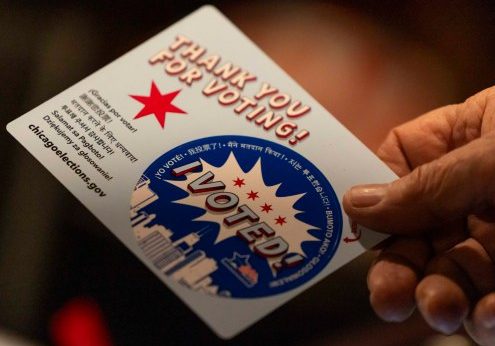 Melissa Bean’s Election Victory in Illinois’ 8th Congressional District
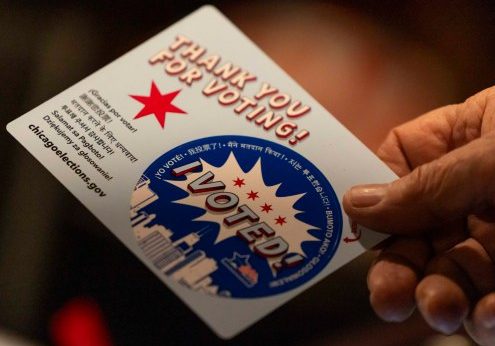 Daniel Biss Wins Democratic Primary and General Election
 Brooks and Capehart Discuss Political Turmoil Post-Midterms
 Jay Rockefeller’s Life and Legacy
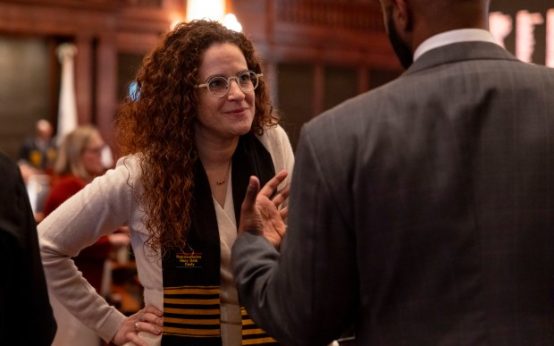 Illinois House Leadership in Transition: Welch Steps Down Amid Sexual Harassment Controversies