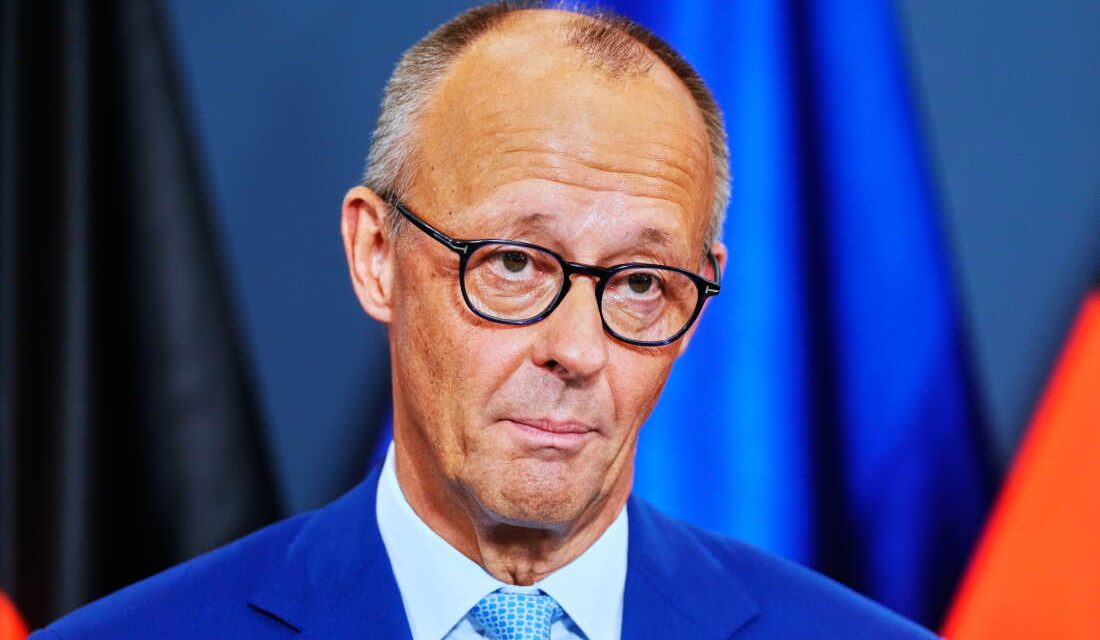
On September 20, 2026, German Chancellor Friedrich Merz addressed the media at the Christian Democratic Union (CDU) headquarters in Berlin. Despite setbacks in recent state elections, Merz affirmed his commitment to remaining in office and pursuing necessary reforms for Germany’s economy.
Exit polls conducted by public broadcaster ARD revealed a dismal performance for the CDU, with only 5% of votes in Mecklenburg-Western Pomerania. This represents the party’s weakest showing in any state since World War II. The Alternative for Germany (AfD) party made substantial gains, highlighting a shift in voter sentiment.
Merz acknowledged the poor results as a “disaster” but maintained a firm stance, refusing to abandon his government’s reform agenda. He emphasized the urgency of addressing Germany’s economic challenges through tough reforms, even if they prove unpopular. He pledged to proceed with resilience and patience.
In Berlin, the CDU was projected to rank second with 20% of the votes, trailing the Left party at 24.5%, according to ARD’s exit poll. Merz’s leadership faced scrutiny after a previous loss to AfD in Saxony-Anhalt on September 6, which surprised many who believed Germany had moved beyond nationalism and racial superiority.
Merz assumed the chancellorship 16 months ago, promising to rejuvenate the struggling economy. However, he has struggled to lift the national mood and has seen his popularity decline. The AfD’s success in Saxony-Anhalt, where it may form the first far-right regional government since World War II, further undermines Merz’s position.
Recently, there have been calls within the CDU to replace Merz as chancellor. Yet, prominent allies have refrained from publicly advocating for his removal and cautioned against internal “personnel debates.”
Foreseeing challenges ahead, Merz canceled a planned trip to the U.N. General Assembly in New York. Despite mounting pressure, he has steadfastly reiterated his intention to complete his term as chancellor.
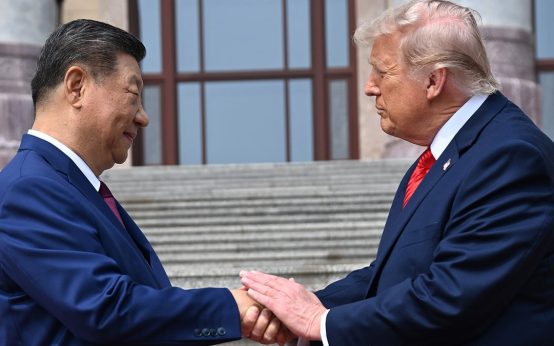 Concerns in U.S.-China Relations Ahead of Summit
  Nikole Hannah-Jones Reflects on School Choice and Its Impact
 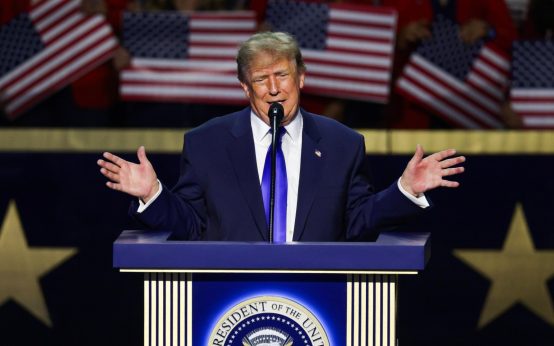 Republican Senator Criticizes Trump’s $5,000 Check Proposal
 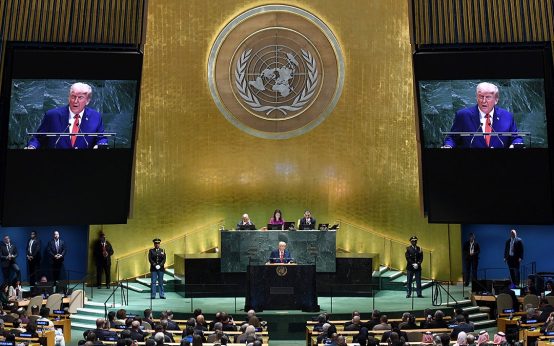 Trump’s Approach to Iran at the United Nations
 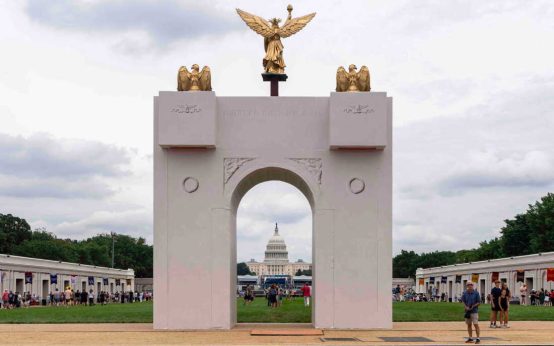 Trump’s Triumphal Arch Controversy
 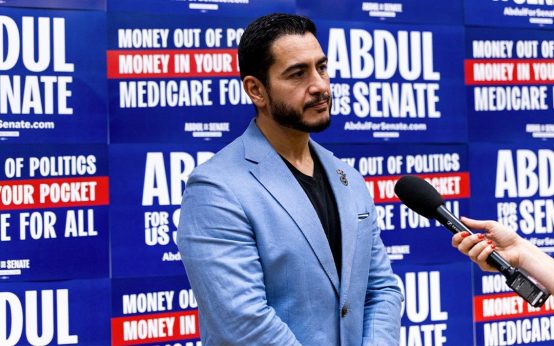 Concerns Over Abdul El-Sayed’s Potential Senate Role and National Security