Iran has intensified tensions in the Gulf region by firing on a U.S. airbase in Kuwait. The attacks are perceived as retaliation for American strikes that occurred the previous day. Recently, Iran has repeatedly targeted U.S. facilities in Bahrain. This island kingdom houses the U.S. Navy’s 5th Fleet.
U.S. forces struck a missile launch site operated by Iran’s Revolutionary Guard on Qeshm Island. This action responded to an Iranian strike on a U.S. radar installation in Bahrain earlier Tuesday.
Iran claimed its attacks, which included strikes on other U.S. facilities in Bahrain on the weekend, responded to American drone surveillance and an assault on Iranian communication towers. The U.S. military has not yet commented on these recent attacks.
Blockade Pressures Tehran
A U.S. naval blockade on Tehran has strained Iran’s economy. The presence of U.S. military escorts ensures the safe passage of oil tankers through the Strait of Hormuz. Experts note Iran’s recent actions might indicate growing frustration with the current status.
Hamidreza Azizi, an analyst at the International Crisis Group, highlighted the risk of increasing military incidents. He emphasized the danger of miscalculation and unintended escalation between the involved parties.
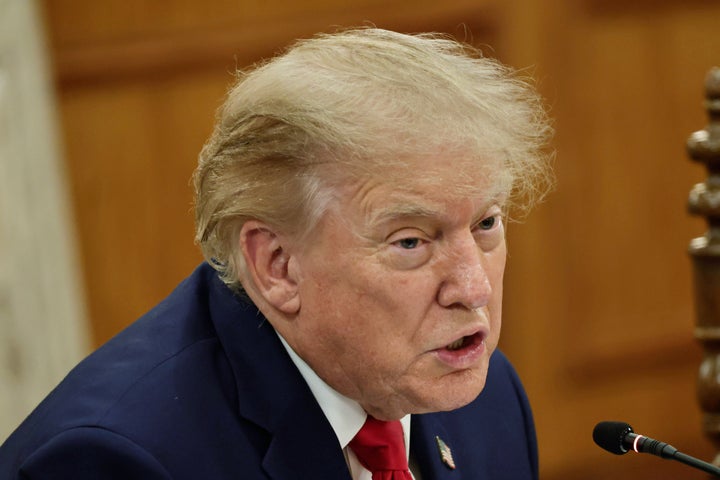
U.S. President Donald Trump has conveyed conflicting messages about future actions. While stating new strikes are unlikely, he has also deployed more military resources to the Middle East.
Despite military protection restoring oil shipments to prewar levels, Iran persists in attacking tankers transiting the Strait of Hormuz. Following an attack in the strait, the UAE’s ADNOC reported that one crew member was missing, and 11 others injured.
Strategic Escalation by Iran
Researcher Danny Citrinowicz observed an apparent escalation strategy by Iran in targeting shipping and U.S. facilities in the Gulf. Iran’s goal seems to be raising the military, economic, and political costs for the blockade.
Washington faces a critical decision. A limited response might embolden Iran, while a stronger one could cause increased conflict. De-escalation is hinged on either a negotiated agreement or lifting the blockade.
Renewed Attacks on U.S. Bases
Following U.S. and Israeli attacks on Iran in February, Iran has persistently targeted U.S. interests in the Gulf and energy infrastructures.
On Wednesday, Iran attacked Kuwait’s Ali Al Salem airbase, targeting air defense systems and launch platforms. Kuwait reported intercepting drone attacks and condemned these actions while calling them a threat to security.
Iran’s attacks during the war reportedly hit the airbase multiple times, causing damage to military and civilian buildings.
Bahrain’s military intercepted numerous attacks and issued warnings for citizens to seek shelter. However, they have not reported any damages or casualties.
Houthi Rebels and Saudi Conflict
In Saudi Arabia, defenses intercepted missiles launched by Iran-backed Houthi rebels towards Riyadh. These events followed deadly coalition airstrikes on Houthi-held areas in Yemen, which reportedly resulted in civilian casualties.
Both sides continue to engage militarily, with the Houthis currently controlling the strategic Bab el-Mandeb strait, a crucial route for global trade.
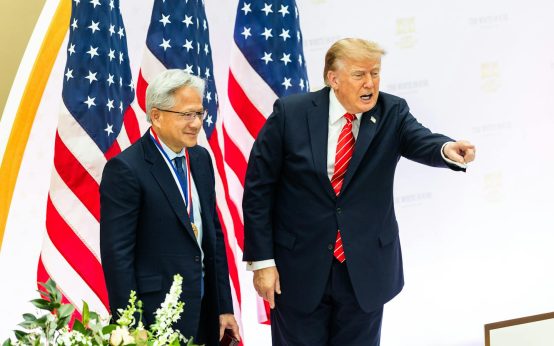 Understanding Trump’s Role in the Nvidia Affair and Other Key Issues
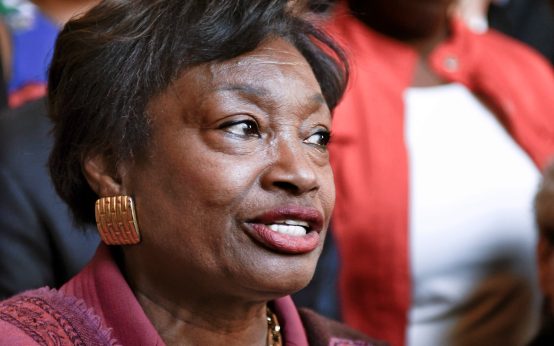 The Legacy of Andrea Stewart-Cousins: New York’s Trailblazing Senate Leader
 Divisions Over Fossil Fuels Impact COP31 and 2028 Olympics
 Clashes Erupt Outside Brooklyn Deli During Protest
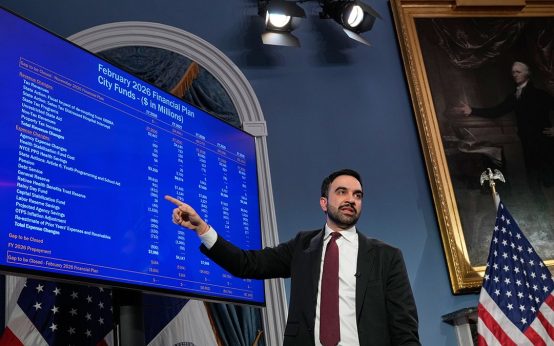 Zohran Mamdani Faces Backlash Over Costly Policy Proposals
 Discussion on Political Developments with David Brooks and Jonathan Capehart