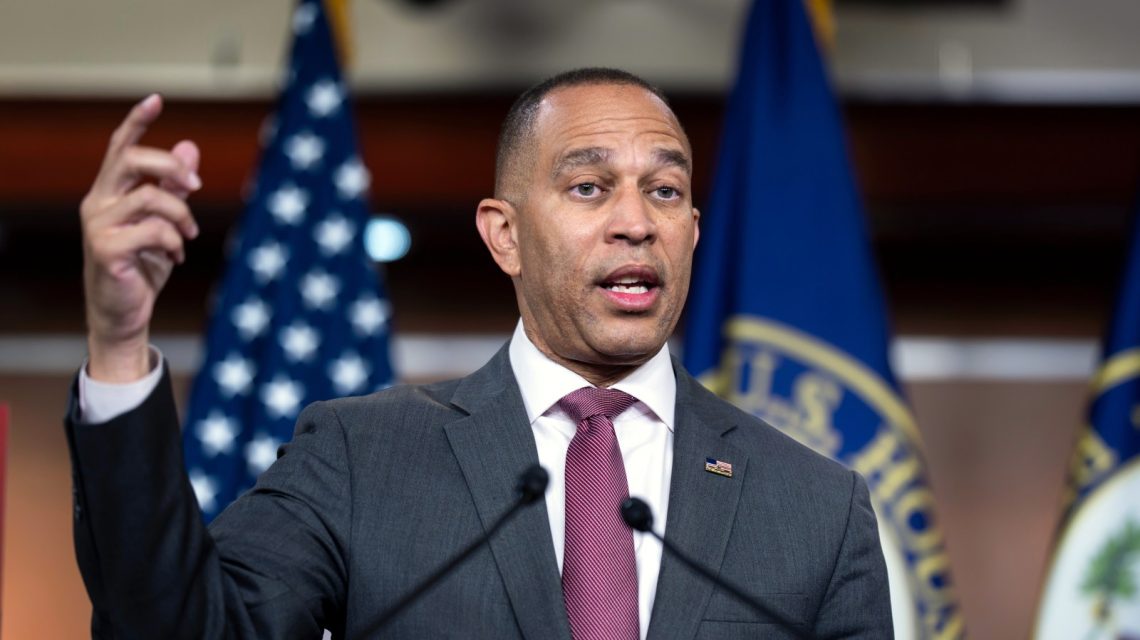
Hakeem Jeffries, the House Minority Leader, recently made clear he does not back Medicare for All, highlighting his move toward the center as Democrats aim to reclaim the House in upcoming elections. Speaking on ‘Meet the Press,’ Jeffries confirmed he no longer supports Medicare for All, a measure he once co-sponsored, stating, “It’s not legislation that I currently am cosponsoring or that I support.”
Policy Positions and Party Direction
While Medicare for All remains pivotal among progressives like Senator Bernie Sanders, Jeffries’ withdrawal from supporting the bill reflects his distinct approach. He further distanced himself from the Democratic Socialists of America (DSA), emphasizing he does not align with their agenda. Jeffries outlined that the Democratic caucus includes progressives, moderates, and Blue Dog Democrats, while focusing on reducing costs in areas such as groceries, gas, housing, and healthcare.
Moreover, Jeffries opposed measures to abolish Immigration and Customs Enforcement (ICE). He underscored Democrats’ commitment to reforming the agency, advocating for a just and humane enforcement approach. Along with Senate Minority Leader Chuck Schumer, Jeffries proposed reforms like banning face coverings for agents and enhancing body-camera usage.
He predicts a Democratic victory in the upcoming midterms, emphasizing efforts to secure a majority of 218 seats to prioritize affordability for Americans.
Democratic National Committee’s Stance on ICE
His remarks coincided with the Democratic National Committee’s (DNC) backing of a resolution to dissolve ICE, while also approving a reform-focused measure. DNC chair Ken Martin highlighted that official party positions are set during the national convention every four years, stressing unity against current federal border policies.
The White House criticized the DNC’s calls to abolish ICE, arguing Democrats should instead commend ICE officers for their roles in community protection efforts.
Shifting Views on Medicare for All
Medicare for All seeks to replace private insurance with a government-run system for universal coverage. Proponents cite benefits like reduced out-of-pocket costs, while critics point to potential tax hikes. Despite proposals over the years, it has faced obstacles in Congress.
Jeffries, who co-sponsored earlier versions of the bill, clarified he no longer supports recent iterations, advocating instead for reversing Medicaid cuts and extending Affordable Care Act tax credits to ease insurance costs.
In contrast, Representative Ro Khanna strongly supports Medicare for All, viewing it as crucial for saving money and lives. Khanna referenced studies affirming cost-saving benefits and insisted on the necessity of a House vote, arguing it would uplift wages and alleviate economic burdens for working families.
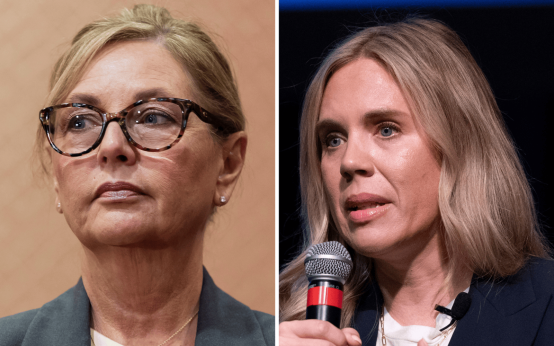 Close Race in South Carolina Senate as Democrats Eye Potential Gain
 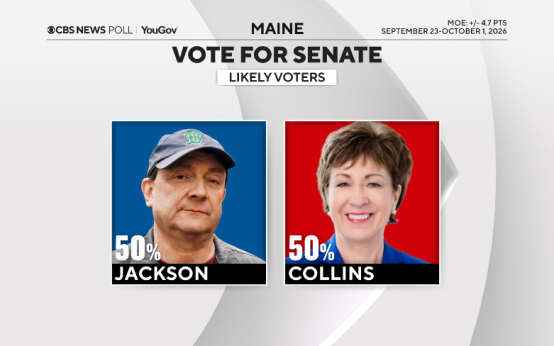 Maine’s Senate Race: A Close Contest
  Texas Becomes Key Battleground in Midterm Elections
  President Trump Energizes Strongholds Ahead of Midterms
 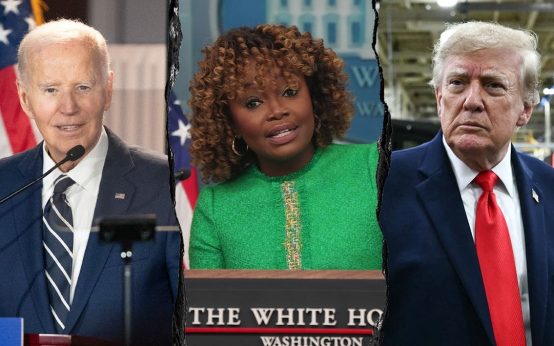 Jean-Pierre Criticizes Trump’s Messaging in Opinion Piece
  Understanding Voter Registration Deadlines Across the U.S.