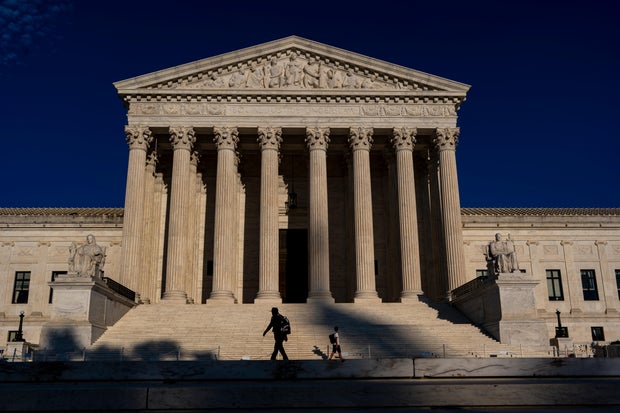
The Supreme Court is gearing up for its new term, set to begin with significant cases that involve climate change, immigration policies, and gun rights.
Climate Change Litigation
The term will kick off with arguments in Suncor Energy v. County Commissioners of Boulder County. The case challenges whether Boulder can sue energy companies like Exxon Mobil and Suncor in state court for the alleged misleading marketing and sales of fossil fuels. This case could impact similar lawsuits nationwide, as energy companies contend such suits might impose a de facto carbon tax. Boulder’s lawyers argue the Constitution allows states to address local harms.
Religious Liberty
Another key case, St. Mary Catholic Parish v. Roy, tackles the participation of religious entities in state-funded programs. A Catholic preschool in Colorado claims it’s unlawfully excluded from a state program due to nondiscrimination laws. The Supreme Court will revisit whether the Free Exercise Clause allows an exemption for the preschool.
Gun Rights
The Supreme Court will hear Viramontes v. Cook County and Grant v. Higgins, focusing on state laws banning AR-15s and similar semiautomatic weapons. The cases follow a 2022 decision expanding gun rights. Lower courts upheld bans, referencing historical firearm regulations as support.
Parental Rights
International Partners for Ethical Care v. Ferguson addresses laws affecting parental rights in Washington. The laws allow shelters to avoid notifying parents if their child seeks medical care for gender dysphoria. Parents claim these laws violate their right to direct their children’s care.
Voting Rules
Republican National Committee v. Mi Familia Vota deals with Arizona’s requirements for proof of citizenship to vote, which Democratic groups contest as violating federal law. The court’s decision could influence voter registration laws nationwide.
Immigration Policies
The court will examine Department of Homeland Security v. D.V.D., concerning the Trump administration’s policy on third-country deportations. Courts previously blocked the policy for lack of due process, but a temporary Supreme Court order allows removals to resume.
Another immigration case, Rhoney v. Barbosa da Cunha, reviews mandatory detention policies without bond hearings, which have been inconsistently upheld in lower courts.
Other Cases
Future cases might address Trump’s military transgender ban, appointment practices for U.S. attorneys, and efforts to limit asylum claims. Additionally, issues about the Ten Commandments in schools and plea agreements involving the September 11 attacks may arise.
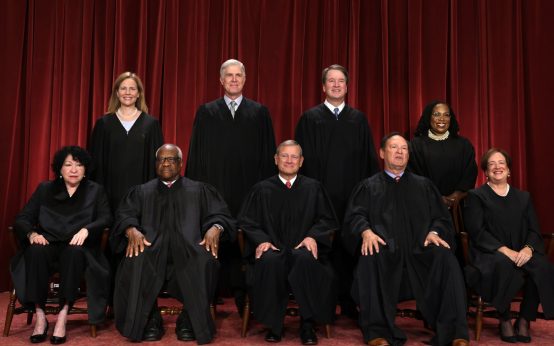 High Stakes as U.S. Supreme Court Tackles Key Cases
  Debate Heats Up Over Permanent Daylight Saving Time
  Tennessee Prison Chief Resigns After Botched Execution
  Collapse of Hawaii’s Holei Sea Arch Highlights Nature’s Impact
  Destiny Amos’s Medical Journey: From Localization to Recovery
  Abraham Lincoln’s Historic Pocket Watch and Its Secret Inscriptions