
Speaker of the House Mike Johnson, R-La., addressed reporters at the U.S. Capitol Building on Tuesday. On Wednesday, House Republicans approved $1.1 trillion for military funding, marking significant legislative activity before a lengthy recess. The funding, known as the National Defense Authorization Act (NDAA), passed narrowly with a 216 to 212 vote, including support from six Democrats. Next, it proceeds to the Senate, where its future remains uncertain.
This year’s NDAA has become a partisan issue. Republicans describe it as a crucial investment in national defense, focusing on innovation and readiness. In contrast, Democrats express concern over the inclusion of $1.15 trillion in discretionary spending. Rep. Adam Smith of Washington, a prominent Democrat on the House Armed Service Committee, criticized the bill for potentially harming vital domestic programs and reducing taxes.
The Senate requires bipartisan support to pass the NDAA. Previously, Senate Democrats blocked its consideration, seeking restrictions on President Trump’s military actions in Iran. The debate unfolds amid tensions for the Pentagon, with no resolution in sight for the U.S.-Iran conflict. As per Defense Secretary Pete Hegseth, the war has cost taxes $37.5 billion, with four recent U.S. service member deaths, bringing the toll to 18, and nearly 500 injured.
On Wednesday, House Republicans also pushed forward a $95 billion budget plan. Although the Senate still needs to approve it, this plan includes over $70 billion for the Iran war, $12 billion for farmers, and funds for the SAVE America Act, a key election overhaul initiative. The vote concluded at 216 to 214, despite frustrations over the absence of offset spending reductions.
The budget framework advanced through reconciliation, enabling potential passage with a party-line vote, bypassing the Senate’s typical requirement. Senate Majority Leader John Thune, R-S.D., aims to extend government funding beyond midterm elections, using this framework if necessary. Without consensus, Thune may revise the budget plan for party-line approval.
Additionally, the House passed the Stop Insider Trading Act by a 232 to 198 vote. This legislation prohibits lawmakers from acquiring new individual stocks while in office, though they may retain current stocks, reinvest dividends, and make disclosures upon selling. Despite its passage, non-partisan groups criticize the bill for insufficiently addressing stock ownership issues and allowing existing loopholes. All but 13 Democrats opposed the measure, citing concerns over these loopholes and an unrelated voter ID provision.
 Trump Administration Seeks to Influence NIH Grantmaking
  Protests in Austin: Analyzing the Coordination Behind Anti-ICE Demonstrations
 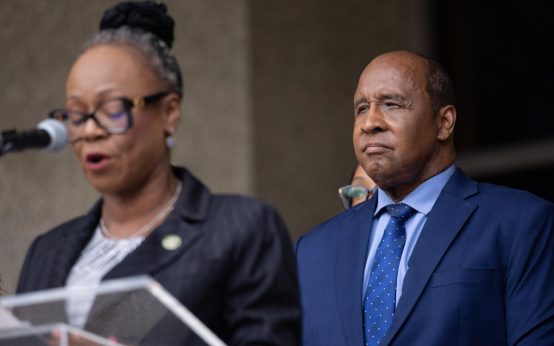 Controversy Surrounds Inglewood Mayor Amid Allegations
 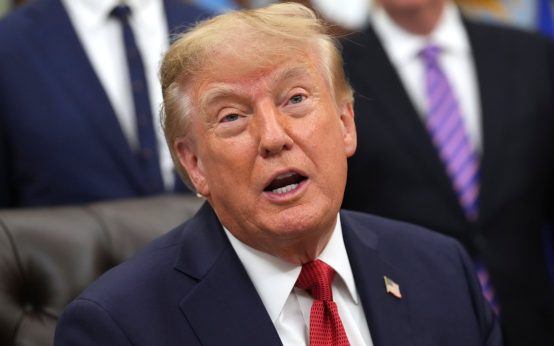 White House Launches Trump TV Amidst Press Dispute
  Media Organizations Sue Trump Administration Over Press Access
  VP JD Vance Trails Potential Democratic Contenders in Early Polling for 2028 Election